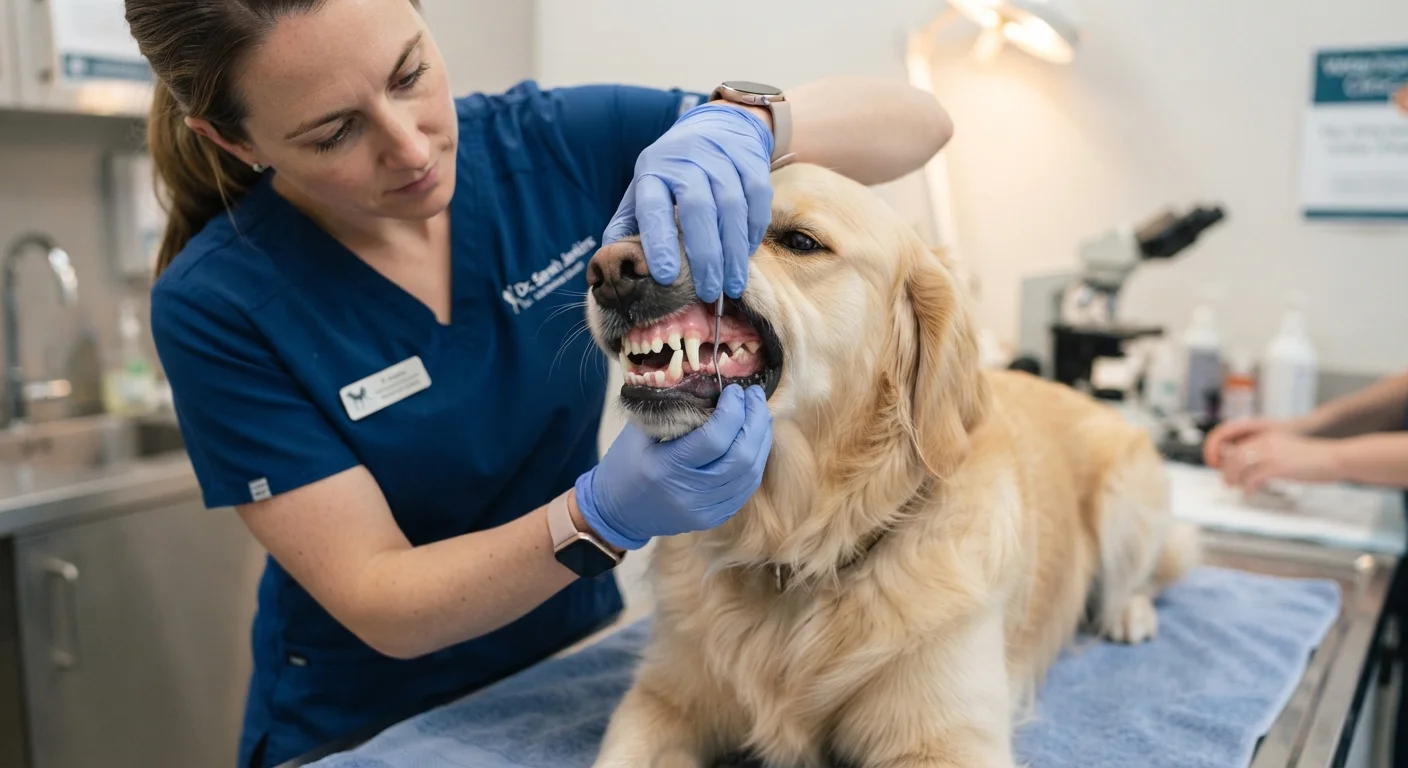
The Pet Wellness Exam Prep Checklist

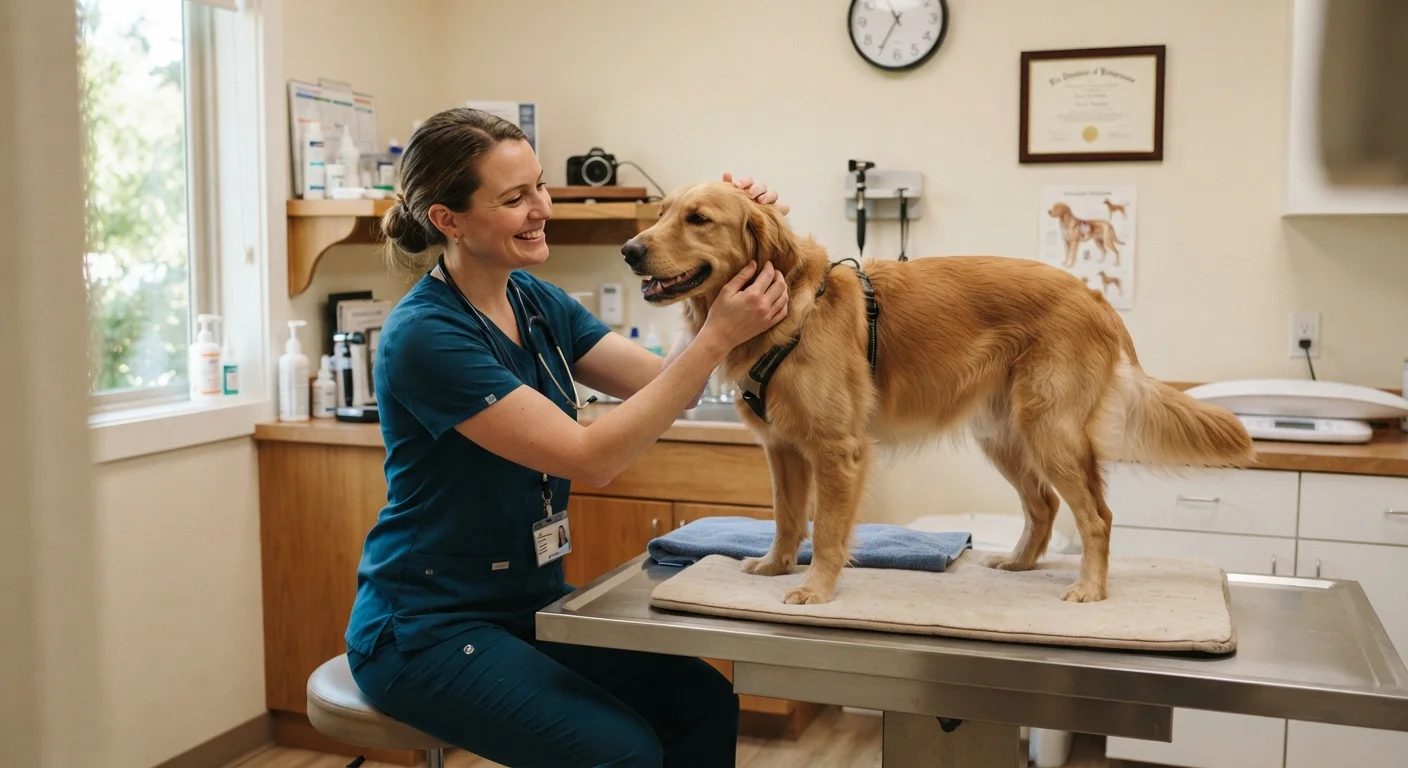
Photo: TargetReads.com | Explore Engaging Reads editorial
Key Takeaways
- Gathering records, medications, and a stool sample before the visit saves time and improves accuracy.
- Noting behavioral or appetite changes at home gives your vet crucial clinical context they can't observe in the exam room.
- Preparing questions in advance helps you leave with clear answers on vaccines, parasite prevention, and nutrition.
- Wellness exams are the best time to address weight, dental health, and age-related screening needs.
- Following up on lab results and scheduling reminders closes the loop on preventive care.
Why Prep Work Makes the Difference
A wellness exam typically lasts 20 to 30 minutes. That's a short window to cover your pet's entire health picture — which is exactly why arriving prepared matters. Vets routinely note that the most useful information often comes from observations made at home rather than in the clinic: changes in water intake, shifts in activity level, or a lump you noticed last Tuesday. Without that context, your vet is working with an incomplete picture.
Think of a wellness visit the same way you'd approach your own preventive checkup. Just as going to preventive visits prepared helps you get more from your own healthcare appointments, a structured approach to your pet's exam pays off in better outcomes and fewer follow-up calls.
Use the checklist below to work through three stages: what to gather before you leave home, what to observe and report during the exam, and what to confirm before you walk out the door.
Pet health records folder
Keeps vaccination records, lab results, and previous visit summaries organized and easy to bring to any appointment.
Stool sample container
A clean, sealed container (ask your vet's office for a provided kit) is needed to submit a fresh fecal sample for parasite testing.
Medication and supplement list
A written list — or the original packaging — of every product your pet currently receives helps the vet check for interactions and assess current protocols.
Notepad or phone notes app
Use it to log your pre-visit observations and questions, and to jot down key points the vet shares during the exam.
Pet carrier or leash with ID tag
A secure carrier for cats and small animals, or a sturdy leash for dogs, keeps your pet safe and calm in the waiting area.
The Full Wellness Exam Prep Checklist
Work through each group in the days and hours before your appointment. Items marked must are non-negotiable for a productive visit; should items are strongly recommended; nice-to-have items add depth when time allows.
Before You Leave Home
During the Exam
Before You Leave the Clinic
Honest History Is Your Vet's Most Valuable Diagnostic Tool
Making the Most of Your Time with the Vet
Even a well-prepared owner can feel rushed once the exam starts. A few habits help you stay on track.
Lead with concerns, not questions. Open by sharing your top one or two observations — a change in eating habits, new lumping or limping — before moving to routine questions. Vets can then structure the physical exam around what matters most to you.
Vaccines are a common discussion point. If you're unsure which boosters are due or what your pet received previously, your vet will consult records — but a head start from your own documentation speeds things up considerably. For a deeper look at what core and non-core vaccines your dog or cat may need and when, see our vaccination schedules guide.
Parasite prevention is another area where the wellness exam is the right moment to reassess. Products change, resistance patterns shift, and your pet's lifestyle or region may warrant a different approach than last year. Our guide to flea, tick, and heartworm prevention options explains how each prevention type works, so you can have an informed conversation with your vet rather than starting from scratch.
Finally, if nutrition has been on your mind — portion sizes, food transitions, weight management — the wellness exam is the appropriate time to raise it. Your vet can assess body condition score objectively and point you toward reliable guidance. The Pet Nutrition & Diet hub is a useful reference for background reading before your appointment.
Don't Wait for a Wellness Exam if Symptoms Are Acute
This article is for general informational purposes only and is not a substitute for professional veterinary advice, diagnosis, or treatment. Always consult a licensed veterinarian for guidance specific to your pet's health needs.
The content on this site is for informational purposes only and is not a substitute for professional advice. Always consult a qualified professional for guidance specific to your situation.