Hydration and Your Pet: Why Water Intake Deserves More Attention

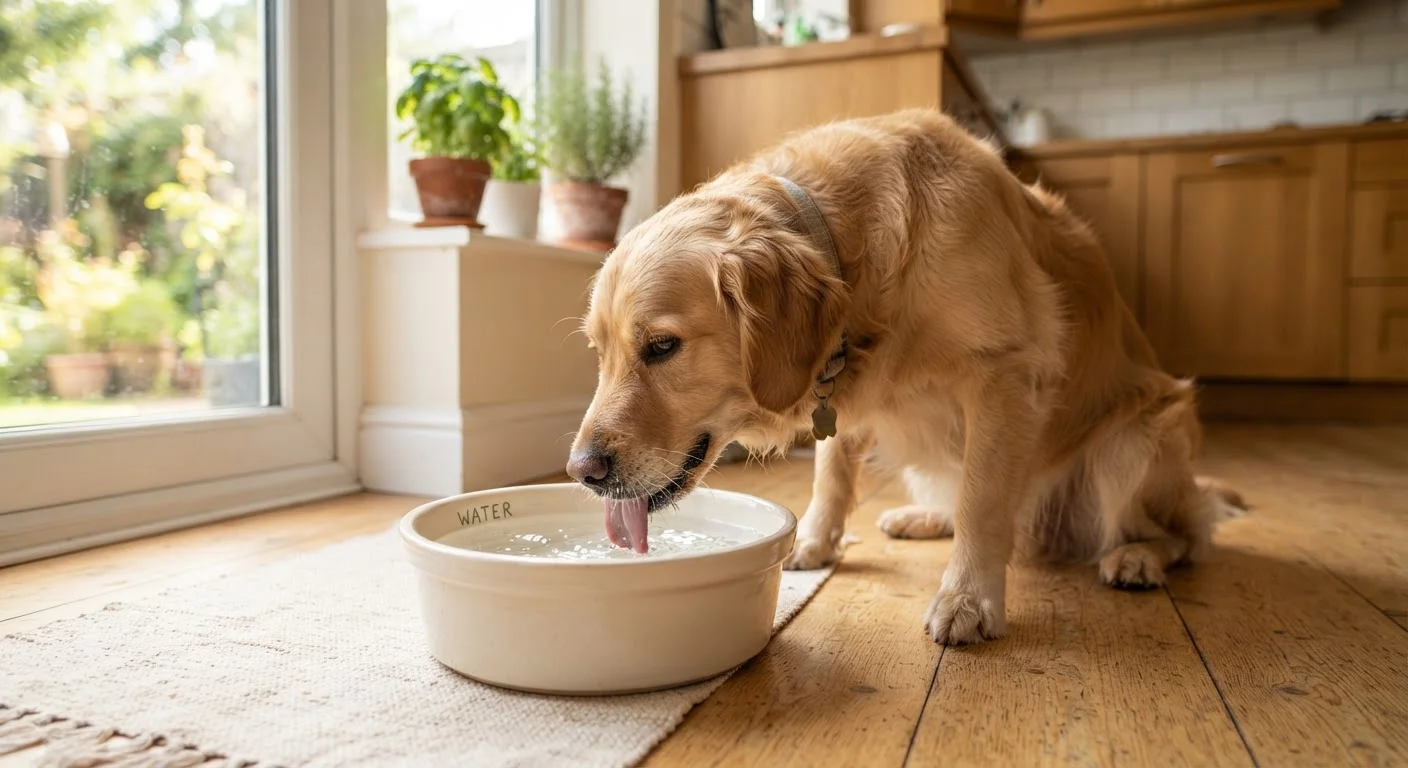
Photo: TargetReads.com | Explore Engaging Reads editorial
Key Takeaways
- Dogs generally need about 1 ounce of water per pound of body weight each day under normal conditions.
- Cats are naturally low-thirst animals and often need encouragement — and wet food — to stay adequately hydrated.
- Dehydration can quietly impair kidney function long before obvious symptoms appear.
- The type of food your pet eats (dry vs. wet) significantly affects how much water they need to drink.
- Senior pets and those with certain health conditions are at higher risk for hydration problems.
- Simple changes — like a moving water source or adding water to kibble — can meaningfully increase intake.
Why Water Is a Foundational Health Nutrient
Water is the most essential nutrient in any animal's diet — yet it rarely gets the same attention as protein, fat, or vitamins. Every major physiological system in your pet's body depends on adequate fluid levels. The kidneys rely on water to filter and excrete waste; the digestive tract needs it to break down food and move it along; joints require it for lubrication; and the body uses it to regulate core temperature through panting or respiration.
When fluid intake is consistently low — even without obvious dehydration — the kidneys must work harder to concentrate urine and conserve what little water is available. Over time, this strain is associated with chronic kidney stress, particularly in cats. Dehydration also slows gastrointestinal motility, which can contribute to constipation and make nutrient absorption less efficient. Good hydration isn't a bonus — it's foundational.
For a broader view of how nutrition and daily habits support pet wellness, see our guide to vet-recommended feeding principles.
70–80%
Moisture content of canned pet food
Veterinary nutrition references consistently note that wet food contains dramatically more moisture than dry kibble, which typically holds only 8–12%.
~1 oz/lb
Daily water guideline for dogs
A widely cited veterinary starting point is approximately 1 ounce of water per pound of body weight per day for dogs under normal conditions.
30%
Estimated share of cats with kidney disease
Studies in veterinary nephrology suggest chronic kidney disease affects a substantial proportion of cats, particularly those over age 10, with chronic low-level dehydration considered a contributing risk factor.
How Much Water Does Your Pet Actually Need?
General veterinary guidelines provide useful starting points. For dogs, a common benchmark is roughly 1 ounce (about 30 mL) of water per pound of body weight per day. A 25-pound dog would therefore need approximately 25 ounces — though exercise, ambient temperature, and diet composition all shift that number.
For cats, the commonly cited figure is around 3.5–4.5 ounces (100–130 mL) per 5 pounds of body weight daily, though much of this is ideally sourced from food moisture rather than a water bowl alone. Cats fed exclusively dry kibble are especially likely to fall short of their fluid needs.
It's important to understand that these are population-level estimates, not precise prescriptions for your individual animal. Body condition, health status, medications, and reproductive status all influence requirements. Your veterinarian is the right resource for guidance tailored to your specific pet.
A Simple Way to Check Your Pet's Hydration
Diet Type Makes a Significant Difference
The moisture content of your pet's food has a direct and substantial effect on how much water they need to drink from a bowl. Canned or wet food typically contains 70–80% water, while dry kibble usually holds only 8–12%. A pet eating wet food may naturally drink less — and still be well-hydrated — while a kibble-fed pet must compensate through drinking alone.
This distinction is particularly important for cats, whose low thirst drive means they may not voluntarily drink enough to offset a dry-food diet. Many veterinary nutritionists recommend incorporating wet food — or adding water or low-sodium broth to dry food — to boost overall moisture intake. Our Pet Nutrition & Diet hub covers food selection in greater depth.
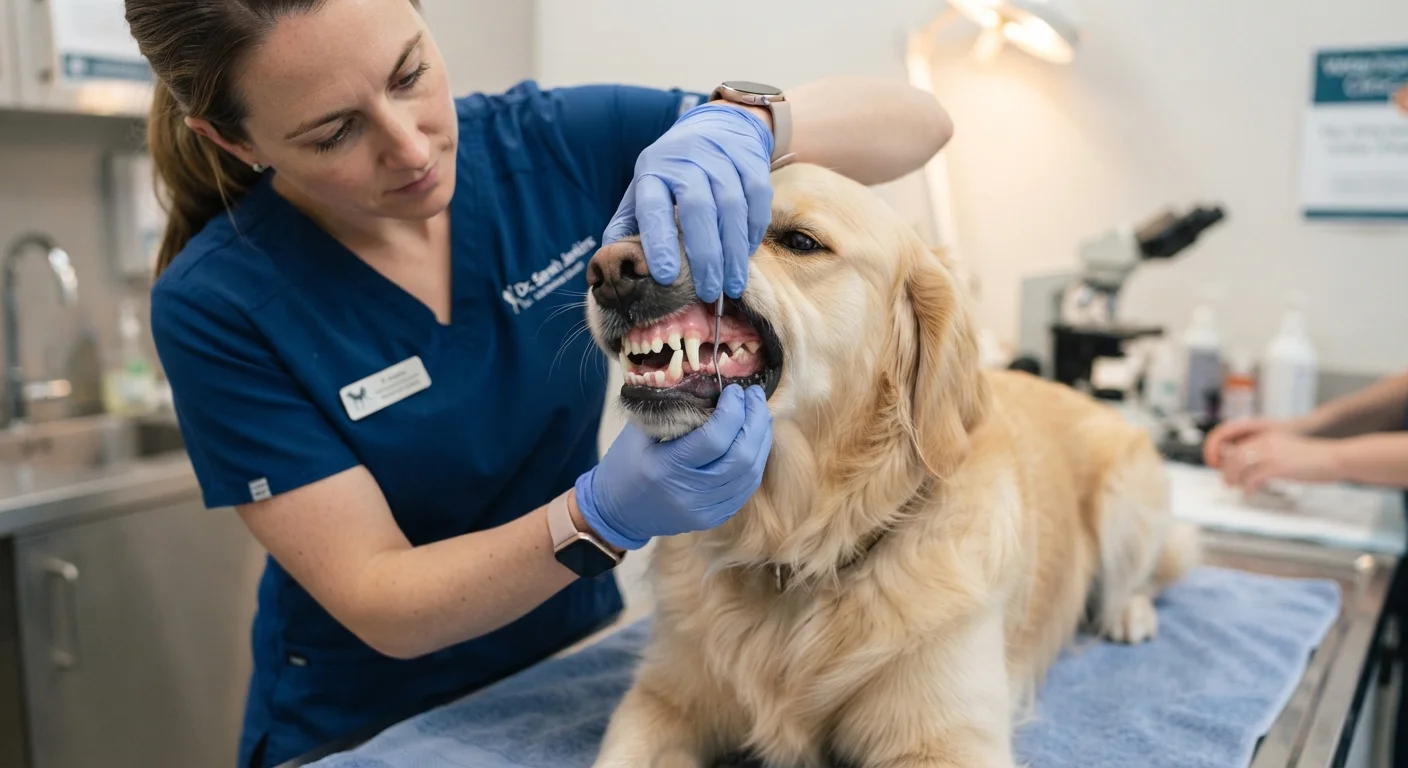
Hydration also intersects with dental and kidney health in ways owners may not immediately connect. Oral health and kidney function are more linked than most people realize, making hydration relevant across multiple body systems.
Recognizing and Responding to Dehydration
Mild dehydration is easy to miss because its early signs are subtle. By the time a pet seems visibly unwell, fluid deficit may already be meaningful. Knowing what to look for allows earlier intervention.
- Skin elasticity test: Gently lift the skin at the back of the neck or between the shoulder blades. In a well-hydrated pet, it should snap back immediately. Slow return suggests dehydration.
- Gum assessment: Press a finger against your pet's gums, then release. Color should return within 1–2 seconds. Pale, dry, or tacky gums are a concern.
- Behavioral and physical cues: Lethargy, reduced urination, dry nose, sunken eyes, and — in cats — constipation can all signal inadequate fluid intake.
If you suspect your pet is dehydrated, contact your veterinarian. Moderate to severe dehydration typically requires veterinary treatment, including possible fluid supplementation — this is not a situation to manage at home with guesswork.
When Increased Drinking Is a Warning Sign
Practical Ways to Encourage Better Intake
Improving your pet's hydration doesn't require expensive interventions. Several straightforward strategies have veterinary support:
- Offer multiple water stations. Place bowls in several locations around the home. Some pets drink more when water is conveniently accessible throughout the day.
- Try a recirculating fountain. Moving water appeals to many cats and some dogs, encouraging them to drink more frequently.
- Add moisture to meals. Mixing a small amount of water or low-sodium broth into kibble increases meal-time fluid intake without altering nutrition significantly.
- Keep bowls clean. Pets can be sensitive to bowl odors or biofilm buildup. Washing bowls daily encourages more consistent drinking.
- Monitor and note. Track roughly how much your pet drinks over a day. A sudden increase or decrease is worth discussing with your vet.
Senior pets often need extra attention here. As animals age, kidney function can decline and thirst perception may shift — two factors that combine to raise dehydration risk. Our article on senior pet care and changing health needs addresses these considerations in detail.
This article provides general educational information about pet health and is not a substitute for veterinary advice. Always consult a licensed veterinarian for guidance specific to your pet's individual health needs.
Frequently Asked Questions
The content on this site is for informational purposes only and is not a substitute for professional advice. Always consult a qualified professional for guidance specific to your situation.