
Pet Dental Health Is More Than Fresh Breath

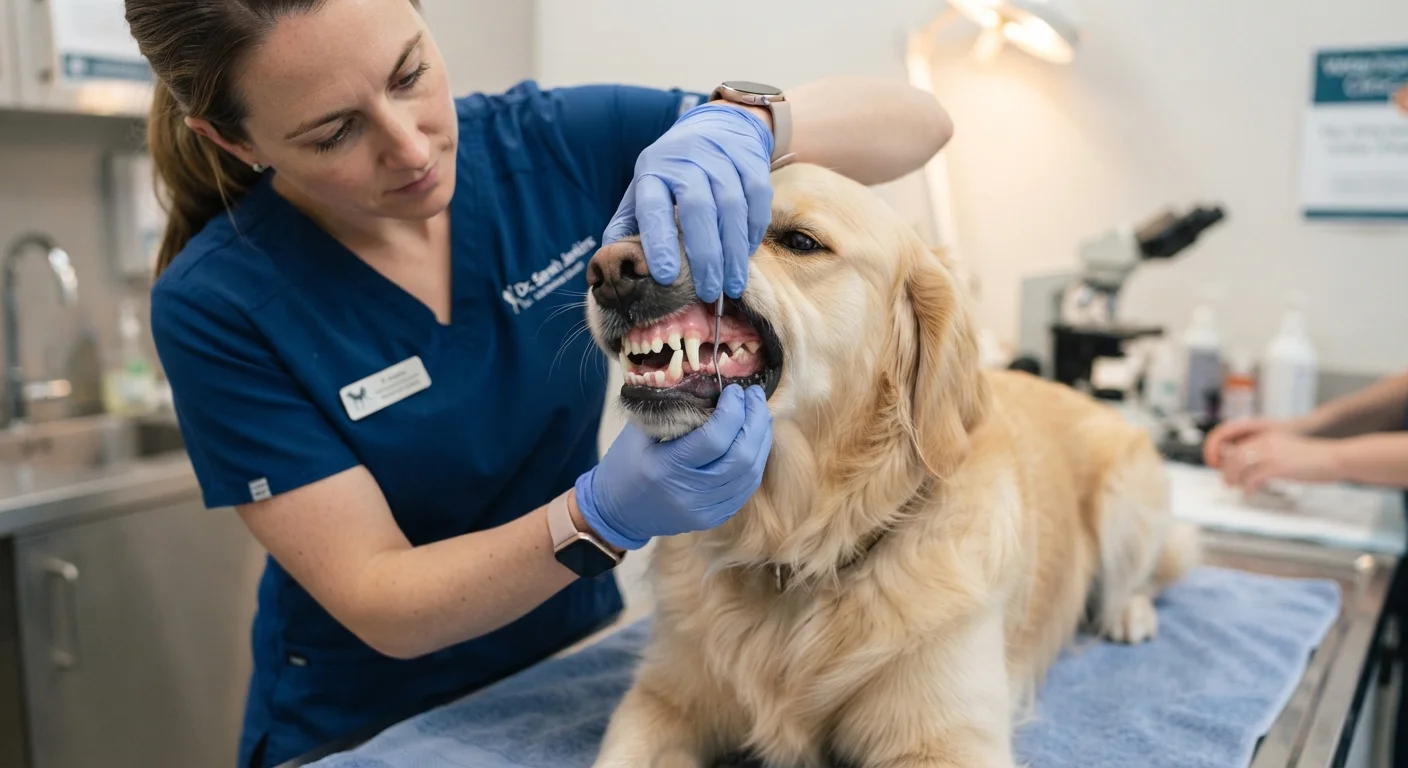
Photo: TargetReads.com | Explore Engaging Reads editorial
Key Takeaways
- Periodontal disease affects an estimated 80% of dogs and 70% of cats by age three.
- Oral bacteria can enter the bloodstream and contribute to heart, kidney, and liver stress.
- Bad breath is often an early warning sign, not simply a cosmetic issue.
- Daily tooth brushing is the gold standard for home dental care in pets.
- Professional veterinary cleanings under anesthesia remain the most effective treatment.
- Senior pets are at higher risk and benefit from more frequent dental evaluations.
Why Pet Dental Health Goes Well Beyond Odor
Most pet owners notice bad breath and assume it's just a quirk of dog or cat ownership. In reality, persistent mouth odor is one of the earliest detectable signs of periodontal disease — a condition that, left unaddressed, can cause significant pain and contribute to broader health problems. Understanding what's actually happening inside your pet's mouth is the first step toward meaningful preventive care.
Plaque — a sticky film of bacteria — forms on teeth surfaces within hours of eating. Without regular removal, it mineralizes into tartar (also called calculus), which adheres firmly to enamel and creates an environment where bacteria thrive below the gumline. This bacterial activity triggers inflammation, which is the beginning of gum disease. Over time, the infection can erode the ligaments and bone anchoring the teeth.
80%
Dogs with periodontal disease by age three
According to the American Veterinary Medical Association, periodontal disease is one of the most common health conditions diagnosed in adult dogs.
70%
Cats affected by dental disease by age three
Veterinary dental surveys consistently find that the majority of cats show evidence of periodontal disease or tooth resorption by early adulthood.
60%
Tooth structure hidden below the gumline
Veterinary dentists note that the majority of each tooth — including where disease-causing bacteria accumulate — is not visible during a basic oral inspection.
The connection between oral health and systemic wellness is well established in veterinary medicine. Inflamed, compromised gum tissue allows bacteria to enter the bloodstream, where they may reach the heart, kidneys, and liver. For context on how overall wellness habits interact, see our guide to senior pet care, which covers how organ vulnerability increases with age.
What Veterinary Dental Care Actually Involves
A professional veterinary dental cleaning is substantially different from the quick tooth-brushing a pet might tolerate at home. Performed under general anesthesia, a proper cleaning includes probing each tooth's gum pocket for depth, taking dental X-rays to assess bone loss beneath the surface, scaling above and below the gumline, and polishing the enamel. X-rays are critical because approximately 60% of each tooth's structure sits below the gum — invisible without imaging.
Anesthesia, while a concern for some pet owners, enables the veterinarian to do a thorough, pain-free evaluation and treatment. Modern anesthetic protocols are generally very safe; your veterinarian will conduct a pre-anesthetic assessment, particularly for older pets or those with known health conditions. The risks of untreated dental disease typically outweigh the risks of a properly monitored procedure.
Ask About Pre-Anesthetic Bloodwork
How frequently a pet needs professional cleanings depends on breed, diet, genetics, and home care habits. Small-breed dogs and brachycephalic breeds (like pugs and bulldogs) tend to be more prone to crowding and early dental disease. Your veterinarian can recommend a cleaning schedule appropriate for your individual animal.
Building a Home Dental Care Routine
Daily tooth brushing remains the most effective home intervention for slowing plaque accumulation. Use a soft-bristled pet toothbrush and a toothpaste designed for animals — poultry- and malt-flavored options are widely accepted by pets. Never use human toothpaste, which contains fluoride and xylitol, both toxic to dogs and cats.
Introducing brushing gradually is key. Start by letting your pet lick the toothpaste off your finger, then progress to rubbing a finger along the gumline, and eventually transition to the brush. Patience and positive reinforcement make a significant difference in acceptance. Most pets can be reliably desensitized to brushing within a few weeks.
Supplementary tools — including dental chews, enzymatic chew toys, and water additives bearing the VOHC seal — can support a brushing routine but should not replace it. Diet also plays a role; some veterinary-formulated dental diets are designed to mechanically reduce plaque through their kibble texture. For a broader look at how nutrition affects your pet's health, the introduction to pet nutrition covers the fundamentals of a balanced diet. Adequate hydration also supports oral tissue health — our guide on pet hydration explains why water intake matters more than most owners realize.
This article is for general informational purposes only and does not constitute veterinary medical advice. Always consult a licensed veterinarian for guidance specific to your pet's health and dental care needs.
Frequently Asked Questions
The content on this site is for informational purposes only and is not a substitute for professional advice. Always consult a qualified professional for guidance specific to your situation.