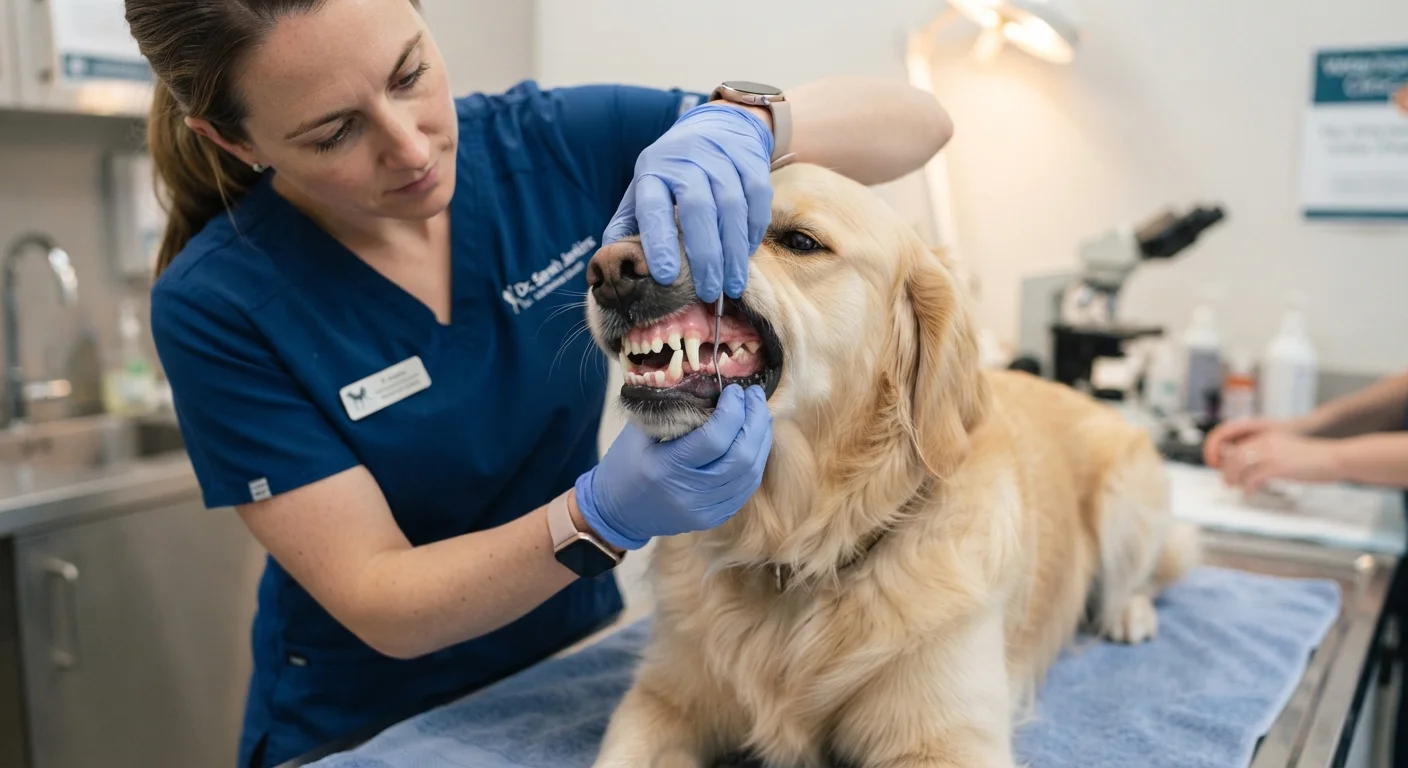
Reading the Signs: How to Tell If Your Pet Is in Pain


Photo: TargetReads.com | Explore Engaging Reads editorial
Why Pets Hide Pain — and Why That Matters
Cats and dogs are descended from animals that survived by masking vulnerability. In the wild, showing weakness attracts predators. That instinct hasn't disappeared — which is why a pet in real pain often looks, at first glance, like a pet that is simply resting or "just getting older."
This means the burden of detection falls entirely on you, the owner. Recognizing pain early is one of the most meaningful things you can do for your pet's health and quality of life. The signs can be behavioral, physical, or both — and they are often subtle enough to dismiss without knowing what to look for.
Keep in mind that discomfort can stem from a wide range of causes: injury, dental disease, arthritis, internal illness, or post-surgical soreness, among others. This article is a practical reference, not a diagnostic tool. If you notice several of the signs below, contact your veterinarian promptly.
Behavioral Red Flags in Dogs and Cats
Changes in behavior are frequently the earliest signal that something is wrong. Watch for any of the following:
- Withdrawal or hiding: A normally social pet that suddenly seeks isolation — under beds, in closets — may be in pain. This is especially common in cats.
- Aggression or irritability: A pet that snaps, hisses, or growls when touched in a specific area is likely protecting a painful spot.
- Changes in appetite or thirst: Eating significantly less — or more — can indicate discomfort, particularly dental pain or gastrointestinal distress.
- Excessive vocalization: Uncharacteristic whining, whimpering, yowling, or growling, especially during movement or when touched.
- Disrupted sleep: Restlessness, repeatedly getting up and lying back down, or inability to settle can reflect physical discomfort.
- Reduced activity: Reluctance to climb stairs, jump, or play — particularly in cats — often signals musculoskeletal pain.
Note that some of these behaviors also appear during stress or anxiety. See our article on stress and anxiety in pets to help distinguish between the two.
Pain Guarding
A reflex in which an animal tenses muscles or adopts a specific posture to protect a painful area from further stimulation. It often appears as stiffness, hunching, or flinching when a certain body part is approached.
Hyperalgesia
An exaggerated sensitivity to pain, where stimuli that would normally cause mild discomfort cause a stronger-than-expected reaction. This can occur after injury or with certain chronic conditions.
Allodynia
A condition in which something that is not normally painful — such as gentle touch — produces a pain response. Pets with allodynia may react sharply to routine petting.
Acute Pain
Pain with a sudden onset, typically tied to a specific injury, procedure, or illness. It usually resolves as the underlying cause heals.
Chronic Pain
Persistent or recurring pain lasting weeks, months, or longer — often associated with conditions like arthritis, dental disease, or cancer. It may develop gradually and be easy to miss.
Facial Action Coding (Grimace Scale)
A veterinary tool that assesses pain in animals based on measurable changes in facial expression — including ear position, eye openness, and muzzle tension. Species-specific versions exist for cats, mice, and horses.
Physical Signs to Look For
Alongside behavioral changes, you may notice physical indicators. Gently and calmly observe your pet for:
- Changes in posture: A hunched back, a tucked abdomen, or a reluctance to bear weight on a limb.
- Facial tension: Squinting, partially closed eyes, flattened ears, or a tense muzzle are recognized pain indicators in both dogs and cats.
- Excessive licking or grooming of one area: Pets often fixate on a painful spot. Localized over-grooming — especially in cats — warrants attention.
- Changes in breathing: Shallow, rapid, or labored breathing unrelated to exercise can signal significant pain.
- Coat or body condition changes: A dull coat, reduced self-grooming in cats, or visible muscle loss can accompany chronic pain.
Older pets are especially prone to chronic, low-grade pain from conditions like arthritis. Our guide on senior pet care covers what to watch for as your animal ages. For cat-specific body language, reading your cat's body language offers a helpful companion reference.
When to Seek Urgent Veterinary Care
This article is for general informational purposes only and is not a substitute for veterinary advice. If you suspect your pet is in pain, consult a licensed veterinarian as soon as possible.
The content on this site is for informational purposes only and is not a substitute for professional advice. Always consult a qualified professional for guidance specific to your situation.