
Reading Your Cat: Body Language Signals Most Owners Miss

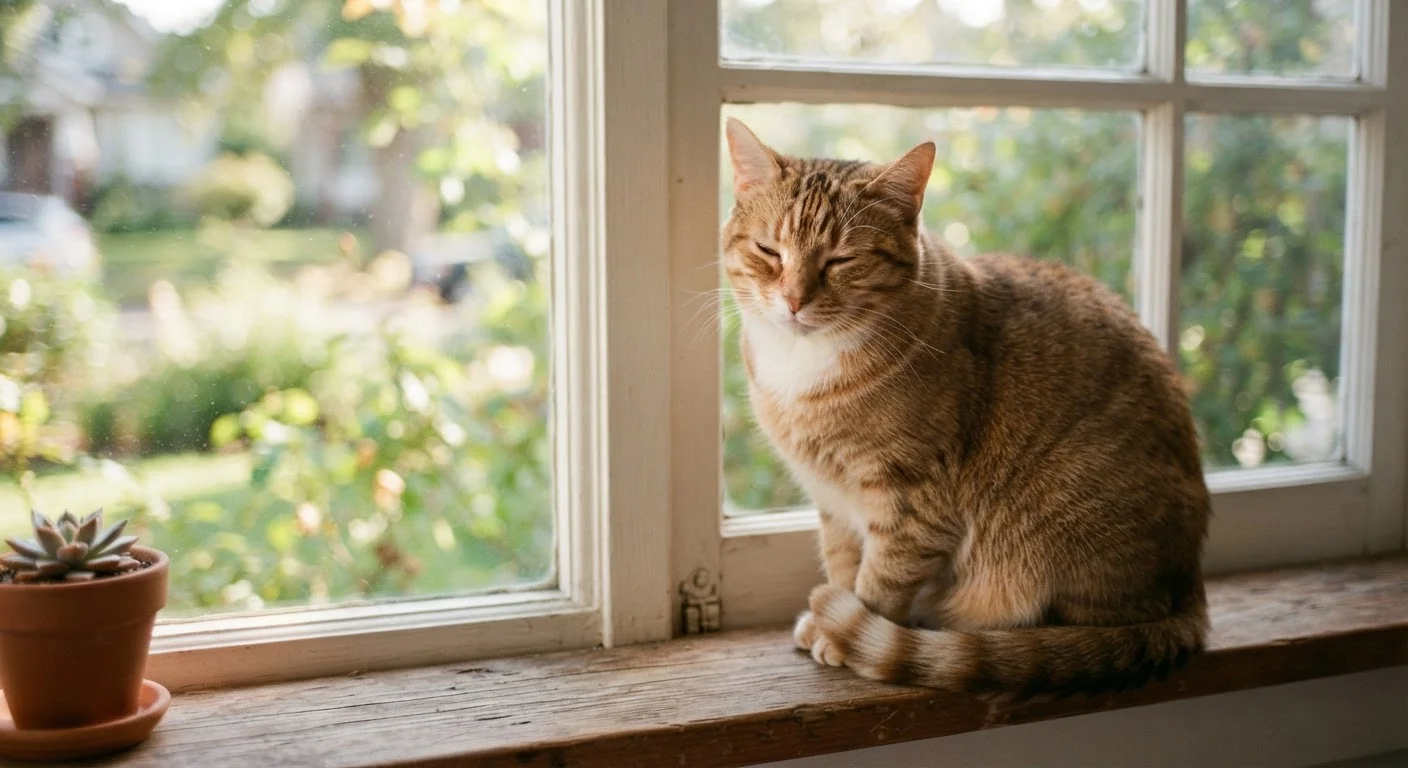
Photo: TargetReads.com | Explore Engaging Reads editorial
Why Cat Body Language Is Easy to Misread
Cats communicate constantly, but much of their signaling is subtle enough that even attentive owners misinterpret it. Unlike dogs, who vocalize and use broad physical gestures, cats rely heavily on micro-movements — ear angle, tail position, pupil dilation — that happen in seconds. Misreading these cues doesn't just create missed opportunities for bonding; it can lead to interactions that genuinely stress your cat, eroding trust over time.
Understanding feline body language is especially valuable because cats rarely give a second warning. A swishing tail or flattened ear is an invitation to back off — and ignoring it often results in a scratch or bite that owners describe as "unprovoked." It wasn't. The signal was just missed.
For a broader look at how stress builds in pets when signals go unnoticed, see our article on stress and anxiety in pets.
| Primary communication channel | Body posture, facial expression, and tail position |
| Slow blink meaning | Trust and relaxation — a positive social signal |
| Most misread signal | Belly display (trust, not an invitation to touch) |
| Warning before defensive bite | Tail lashing, skin rippling, flattened ears |
| Friendly greeting posture | Tail held high with a slight curve at the tip |
| Safest initial contact zone | Base of ears, cheeks, and chin |
Key Signals and What They Mean
Cat communication involves the whole body working together. No single signal tells the full story — read several cues at once for the most accurate interpretation.
Slow Blink
A deliberate, unhurried closing and reopening of a cat's eyes directed at a person or other cat. It signals relaxation and trust, and can be returned by the owner to reinforce social bonding.
Head Bunting
When a cat presses the top or side of its head against a person or object. It deposits scent from glands on the face and is considered a strong affiliative, bonding behavior.
Calming Signals
Subtle behaviors — such as yawning, looking away, or sudden self-grooming mid-interaction — that indicate a cat is feeling mild stress or is trying to de-escalate tension.
Overstimulation
A state in which prolonged petting or handling causes a cat's arousal level to exceed its comfort threshold. Signs include skin rippling, tail lashing, and sudden biting or scratching.
Piloerection
The involuntary raising of fur along the spine and tail, commonly called 'puffing up.' It occurs during fear or extreme agitation and makes the cat appear larger as a defensive display.
Tail
- Tail held high, tip slightly curved: Confident, friendly greeting — your cat is happy to see you.
- Puffed tail, arched back: Fear or extreme agitation. Give your cat space immediately.
- Low, tucked tail: Anxiety or submission. Check the environment for a stressor.
- Rapid side-to-side lashing: Irritation or overstimulation — petting should stop now.
Eyes and Ears
- Slow blink: A relaxed, trusting signal often called a "cat kiss." You can return it: make eye contact, then slowly close and reopen your eyes.
- Dilated pupils: Excitement, fear, or low light — context matters enormously here.
- Ears forward: Alert and interested.
- Ears flattened or rotated back: Fear, aggression, or pain. Avoid handling until your cat settles.
Body Posture and Touch Signals
- Slow roll showing belly: Trust — but not necessarily an invitation to rub. Many cats dislike belly contact despite displaying this posture.
- Head bunting (bumping their head against you): Affectionate scent-marking; a strong sign of social bonding.
- Skin rippling or twitching: A sign of overstimulation during petting. Pause immediately.
If your cat shows sudden changes in these signals alongside appetite loss or hiding, those could indicate discomfort. Our guide on how to tell if your pet is in pain covers physical and behavioral pain cues in detail.
Responding in Ways That Build Trust
Reading cat signals correctly is only half the equation — responding appropriately is what builds a genuine bond. The core principle: always let your cat set the pace of interaction.
- Offer a closed fist at nose height rather than reaching over the cat's head. Let them approach and scent-check you before petting begins.
- Pet in preferred zones first — most cats enjoy the base of the ears, cheeks, and chin. Avoid the abdomen and base of the tail until you know your individual cat's preferences.
- Watch for "calming signals" like yawning, looking away, or grooming mid-interaction. These indicate mild stress; a brief pause often resets the mood.
- End sessions before your cat does. Stopping while the cat is still engaged leaves a positive impression and teaches them that interaction is safe.
These same principles apply in multi-cat households, where tension between cats is frequently mistaken for play. Learning to distinguish play from conflict reduces household stress for every animal involved. For more on overlooked pet stress signals, visit our resource on signs of stress in pets that owners frequently overlook.
Over time, consistent and respectful responses to your cat's communication will produce measurable changes: more frequent approach behavior, longer contact, and reduced defensive reactions. This is relationship-building grounded in how cats actually think — not how we wish they would behave.
This article provides general educational information about feline behavior and is not a substitute for professional veterinary guidance. If your cat shows sudden or significant behavioral changes, consult a licensed veterinarian or a certified animal behaviorist.
The content on this site is for informational purposes only and is not a substitute for professional advice. Always consult a qualified professional for guidance specific to your situation.