
Why Your Pet Keeps Gaining Weight on the Same Food

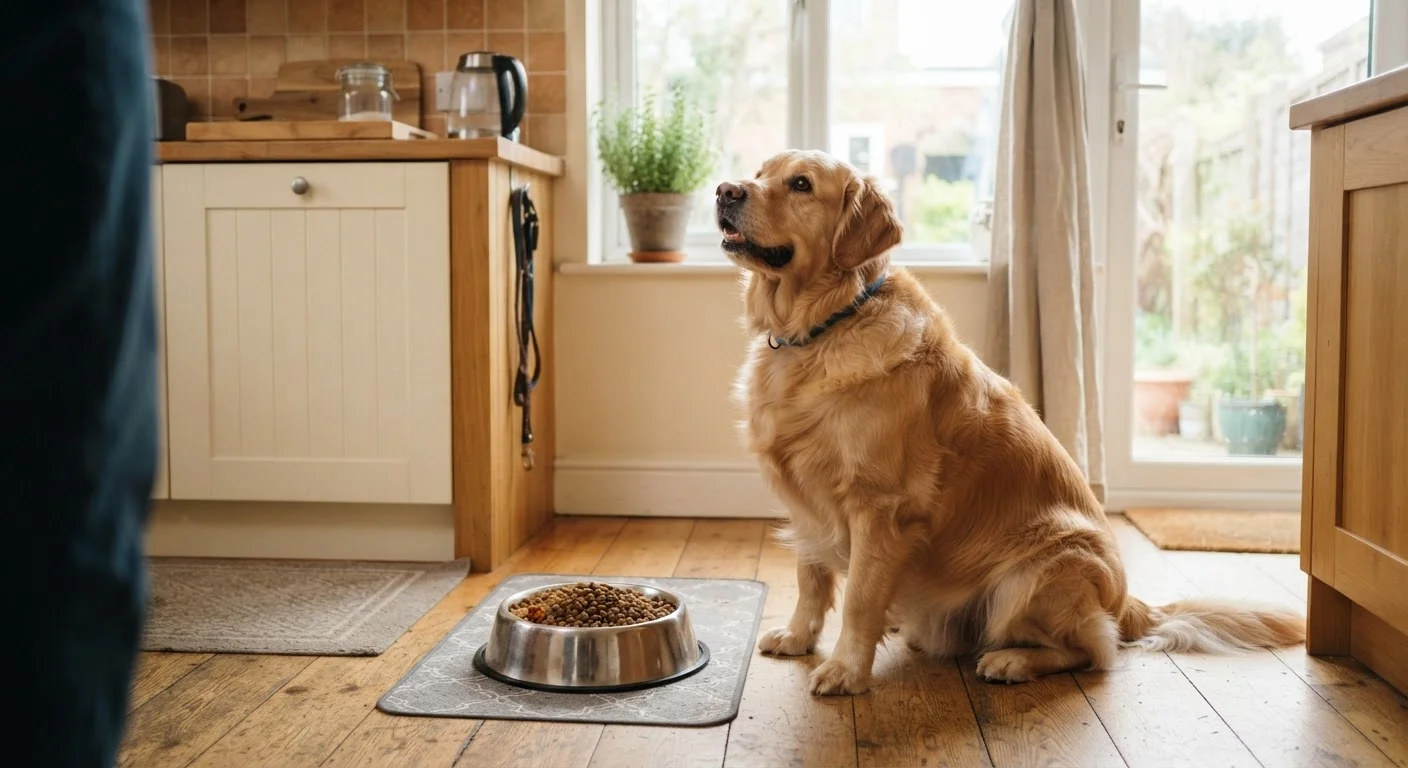
Photo: TargetReads.com | Explore Engaging Reads editorial
Key Takeaways
- Portion sizes often creep upward over time without owners noticing, driving gradual weight gain.
- Treats and toppers can add significant hidden calories that aren't counted in daily totals.
- A pet's caloric needs decrease after spay/neuter and as they age, requiring feeding adjustments.
- Feeding guidelines on packaging are starting points, not exact prescriptions for every individual pet.
- Regular weigh-ins and vet check-ins help catch weight trends before they become health problems.
The Problem With 'Nothing Has Changed'
One of the most common things veterinarians hear from pet owners concerned about weight gain is: "But I haven't changed anything." The food is the same. The portions look the same. Yet the scale tells a different story at each annual exam.
The reality is that small, gradual changes in feeding behavior — and in a pet's physiology — rarely feel like changes at all. Portion drift, hidden treat calories, and shifts in activity level are almost invisible in the moment but compound steadily over months. Understanding these patterns is the first step toward correcting them. For a broader look at why weight accumulates even under seemingly stable conditions, see why pets gain weight and what drives it.
Don't Rely Solely on Package Feeding Guidelines
Common Feeding Mistakes That Drive Unwanted Weight Gain
Most weight gain in otherwise healthy pets traces back to a handful of predictable feeding errors. They're not signs of neglect — they're signs of habits that were reasonable once but haven't been updated to match a pet's current life stage, activity, or caloric needs.
Eyeballing portion sizes instead of measuring them.
Not accounting for treats, toppers, and table scraps in daily calorie totals.
Failing to adjust food quantity after spay, neuter, or the transition to adulthood.
Ignoring changes in activity level while keeping food portions the same.
Assuming the same food amount is appropriate across different bag sizes or formula changes.
If you're also navigating feeding in a household with multiple animals — each with different calorie needs — the challenge multiplies. Building a feeding routine for a multi-pet household covers how to manage portions and prevent food competition effectively.
Weight Gain Can Signal a Medical Issue
How to Actually Track Whether Your Pet Is at a Healthy Weight
Body weight alone doesn't tell the full story. Veterinarians use a Body Condition Score (BCS) — typically a 9-point scale — to assess whether a pet's fat distribution is appropriate for their frame. You should be able to feel your pet's ribs with light pressure but not see them prominently. A visible waist when viewed from above and a slight abdominal tuck from the side are signs of a healthy weight in most dogs and cats.
Weigh your pet monthly if weight management is a concern — many vet clinics allow free weigh-ins between appointments. Log the numbers so you can spot trends early rather than at annual checkups.
~60%
U.S. dogs and cats considered overweight or obese
According to the Association for Pet Obesity Prevention's annual surveys, well over half of American dogs and cats are classified as overweight or obese by their veterinarians.
10%
Recommended daily calorie limit for treats
Veterinary nutrition guidelines broadly recommend treats — including dental chews and training rewards — make up no more than 10% of a pet's total daily calorie intake.
For guidance on evaluating food quality and building a nutritionally sound feeding plan, feeding your pet well using vet-recommended principles is a practical starting point. And if you've heard conflicting things about ingredients, grain content, or raw diets, common myths about pet nutrition vets regularly correct separates fact from popular belief.
This article is for general informational purposes only and is not a substitute for personalized veterinary advice. Always consult your veterinarian before making significant changes to your pet's diet or feeding routine.
The content on this site is for informational purposes only and is not a substitute for professional advice. Always consult a qualified professional for guidance specific to your situation.