
How Pet Food Guaranteed Analysis Works — and What It Doesn't Tell You

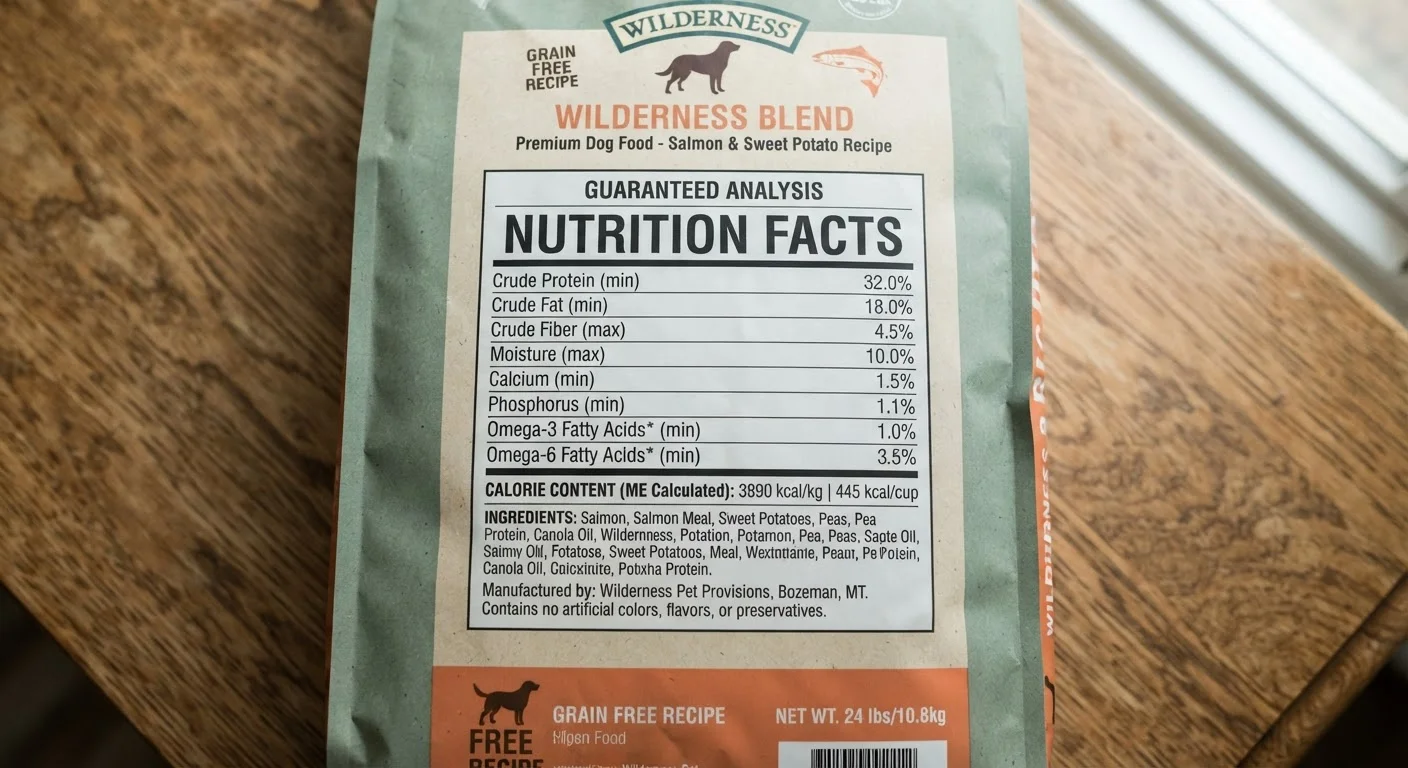
Photo: TargetReads.com | Explore Engaging Reads editorial
What the Guaranteed Analysis Panel Actually Is
Every bag, can, or pouch of commercial pet food sold in the United States is required to display a guaranteed analysis — a short table of minimum and maximum nutrient percentages regulated by the Association of American Feed Control Officials (AAFCO) and enforced at the state level. It is not a full nutritional breakdown; it is a legal disclosure floor designed to confirm that a food meets baseline compositional standards.
At minimum, the panel must list four values:
- Crude Protein (minimum %)
- Crude Fat (minimum %)
- Crude Fiber (maximum %)
- Moisture (maximum %)
Manufacturers may voluntarily add other nutrients — ash, taurine, omega-3 fatty acids — but only the four above are universally required. The word crude here refers to the laboratory method used, not a quality grade. See AAFCO nutritional standards explained for how these figures fit into the broader regulatory picture.
The Moisture Problem: Why You Can't Compare Labels Directly
The single biggest source of confusion when reading guaranteed analysis numbers is moisture content. Wet (canned) foods typically contain 75–82% moisture. Dry kibble typically runs 8–12%. Because nutrients are expressed as a percentage of the whole product — water included — a wet food's 10% protein looks far lower than a kibble's 30% protein, even if the two foods deliver nearly identical protein on a dry-matter basis.
To make a fair comparison, nutritionists use a conversion called dry matter basis (DMB):
- Subtract the moisture percentage from 100 to find the dry matter percentage.
- Divide the nutrient percentage by the dry matter percentage.
- Multiply by 100.
Example: A canned food lists 10% protein and 78% moisture. Dry matter = 22%. DMB protein = (10 ÷ 22) × 100 = 45.5% — substantially higher than the label implies. This conversion is essential before drawing any nutritional conclusions across food types. See dry kibble vs. wet food nutritional differences for a fuller treatment of this topic.
Guaranteed Analysis
A legally required panel on pet food packaging listing minimum percentages of crude protein and fat, and maximum percentages of crude fiber and moisture. It confirms baseline compositional standards but is not a complete nutritional profile.
Crude Protein
A laboratory measure of total nitrogen in a food, converted to an estimated protein value. It reflects all nitrogen sources and does not indicate digestibility or amino acid quality.
Dry Matter Basis (DMB)
A calculation method that removes moisture from the equation so nutrients in foods with different water contents can be compared fairly. It is essential for contrasting wet and dry pet foods.
Moisture Content
The percentage of a food that is water. High moisture content in wet foods dilutes all other nutrient percentages on the label, making direct comparisons with dry food misleading without DMB conversion.
AAFCO
The Association of American Feed Control Officials — a non-governmental body that establishes model regulations for pet food labeling and nutritional standards, which states then adopt and enforce individually.
What the Panel Doesn't Tell You
Knowing the limits of guaranteed analysis is just as important as knowing how to read it. The panel does not reveal:
- Protein quality or digestibility. A high crude protein percentage may come from low-digestibility sources. The number reflects total nitrogen, not the amino acid profile your pet actually absorbs.
- Ingredient sources. The panel says nothing about where nutrients come from. For that, you need the ingredient list — see reading ingredient labels without the guesswork.
- Caloric density. Two foods with identical guaranteed analysis figures can have very different calorie counts per cup or can, affecting feeding amounts significantly.
- Vitamin and mineral profiles. Micronutrients critical to long-term health — calcium, phosphorus, zinc, vitamin D — are not required on the panel unless the label makes a specific claim about them.
- Actual nutrient amounts delivered. Guarantees are minimums or maximums, not exact values. Actual content can vary batch to batch within those bounds.
For a grounded overview of what balanced pet nutrition actually looks like, feeding principles vets actually recommend is a useful companion read.
4
Nutrients required on every U.S. pet food label
AAFCO model regulations mandate crude protein, crude fat, crude fiber, and moisture on all commercial pet food sold in the U.S.
~45%
Dry matter protein in a typical 10%-label canned food
After applying the dry matter basis conversion for a food with 78% moisture, the effective protein concentration nearly quadruples from the as-fed figure.
This article provides general nutritional information and is not a substitute for personalized veterinary advice. Consult your veterinarian before making significant changes to your pet's diet, especially if your pet has a health condition.
The content on this site is for informational purposes only and is not a substitute for professional advice. Always consult a qualified professional for guidance specific to your situation.