
What's Actually in Your Pet's Food: Reading Ingredient Labels Without the Guesswork

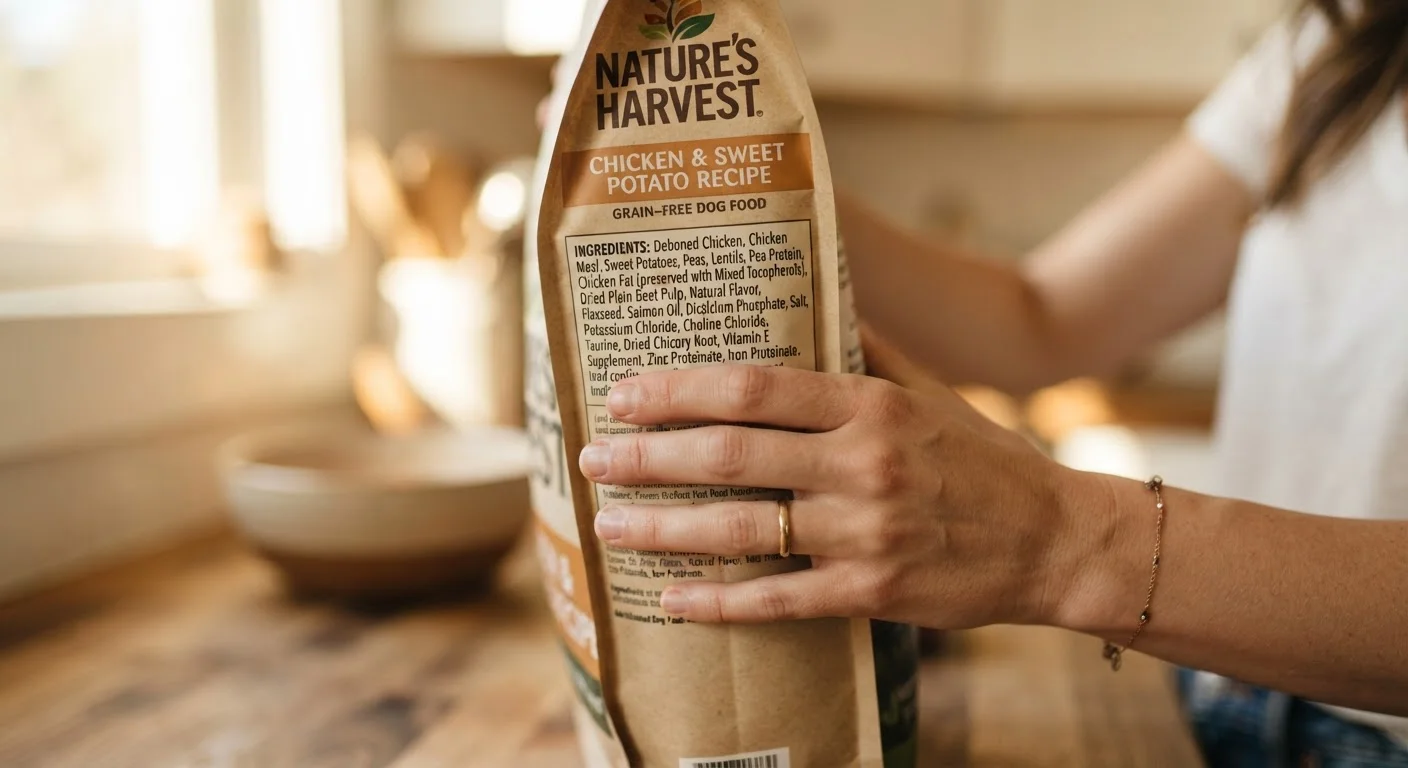
Photo: TargetReads.com | Explore Engaging Reads editorial
Key Takeaways
- Ingredients are listed by pre-cooking weight, so moisture content affects where an ingredient ranks.
- Ingredient splitting can make certain components appear lower on the list than their combined total warrants.
- Named protein sources (e.g., 'chicken') are more specific and traceable than generic terms like 'meat.'
- Preservatives and additives have AAFCO-defined names and regulated uses — not all of them are harmful.
- A single ingredient's position doesn't tell the full nutritional story; the whole label matters.
- Your veterinarian is the best resource for matching an ingredient profile to your specific pet's needs.
Why the Ingredient List Is Worth Your Attention
Most pet owners glance at the front of a bag — the imagery, the flavor name, the marketing claims — and move on. The ingredient list, usually printed in small type on the side or back panel, is where the actual formulation lives. Understanding it doesn't require a chemistry degree, but it does require knowing a few rules that aren't obvious at first glance.
Pet food labels in the U.S. are governed by AAFCO guidelines and state feed laws, which standardize ingredient definitions and listing order. This means labels aren't arbitrary — they follow a system you can learn to use. For a broader look at how nutritional claims on packaging are regulated, see our article on AAFCO nutritional standards and what "complete and balanced" really means.
#1
Position indicates highest pre-cooking weight
AAFCO rules require ingredients to be listed in descending order by weight before processing, not by nutritional contribution.
70%+
Moisture content in fresh meat ingredients
Fresh meats can be over 70% water, meaning their post-processing contribution is substantially smaller than their label position implies.
300+
AAFCO-defined ingredient categories
AAFCO maintains an official ingredient definitions list covering hundreds of ingredients, setting standardized names and acceptable uses in pet food.
The Weight-Before-Processing Rule — and Why It's Tricky
Ingredients are listed in descending order by weight before cooking or processing. This sounds straightforward, but it has an important implication: ingredients with high moisture content — fresh chicken, for example — weigh more before cooking than after, because water is heavy. Once that moisture evaporates during processing, the chicken's contribution to the final product may be smaller than its top-of-the-list position suggests.
This is why you'll often see a named meat meal — such as chicken meal or salmon meal — appearing second or third on a label. Meals are already rendered and dried, so their protein concentration is higher per gram. Neither format is automatically better; understanding the distinction helps you interpret rankings accurately.
Compare Dry-Matter Basis When Switching Formats
Specific vs. Generic: Why Names Matter
AAFCO definitions distinguish between named ingredients and generic ones. 'Chicken' identifies a specific species and part. 'Poultry' is a broader category that could include multiple bird species without specifying which. The same logic applies to fats: 'chicken fat' is traceable; 'animal fat' is not.
This specificity matters for traceability and for pets with known food sensitivities. If your veterinarian suspects a protein sensitivity, knowing exactly which proteins appear in your pet's food — not just a vague category — is essential for an elimination process. For guidance on feeding principles that address sensitivities, see feeding your pet well: principles vets actually recommend.
Ingredient Splitting, By-Products, and Additives Explained
Ingredient splitting occurs when a single ingredient type appears in several forms — corn, corn flour, and corn gluten listed separately, for instance. Each entry individually ranks lower, but their combined weight could place the ingredient much higher on the list. It's worth scanning the full ingredient list for repeated base ingredients before forming conclusions about what dominates the formula.
By-products carry a poor reputation that isn't always deserved. Named by-products like chicken by-products include organ meats that are nutrient-dense. The category is regulated by AAFCO definitions, so the term has a specific meaning. Quality within the category varies, which is another reason named by-products are preferable to generic ones.
Preservatives and additives are present in most commercial pet foods to maintain safety and shelf life. Natural options include mixed tocopherols (vitamin E) and rosemary extract. Synthetic options like BHA, BHT, and ethoxyquin are permitted at regulated levels. If you have concerns about a specific additive, your veterinarian can help you weigh the evidence rather than relying on marketing claims.
Ingredient Lists Don't Show Percentages
For more on how the nutritional numbers alongside these ingredients should be interpreted, see our companion article on how pet food guaranteed analysis works.
Putting It All Together as an Informed Reader
No single ingredient makes a pet food excellent or dangerous in isolation. The full ingredient list, read alongside the guaranteed analysis panel and any AAFCO nutritional adequacy statement, gives a more complete picture. Ingredient quality, processing methods, and formulation expertise all shape what your pet actually absorbs.
If you're weighing format differences — dry kibble versus wet food — the ingredient list will look different between the two largely because of moisture content. Our article on dry kibble vs. wet food covers how to compare them fairly. And if you're exploring grain-free options, the ingredient profile is one factor in a more complex conversation — see grain-free pet food and heart disease: what the research conversation is about for an evidence-based overview.
When in doubt, bring the label to your next veterinary visit. A vet familiar with your pet's health history is the most reliable resource for determining whether a specific formulation is a good match.
This article is for general informational purposes only and is not a substitute for professional veterinary dietary advice. Always consult your veterinarian before making significant changes to your pet's diet.
Frequently Asked Questions
The content on this site is for informational purposes only and is not a substitute for professional advice. Always consult a qualified professional for guidance specific to your situation.