
Signs of Stress in Pets That Owners Frequently Overlook

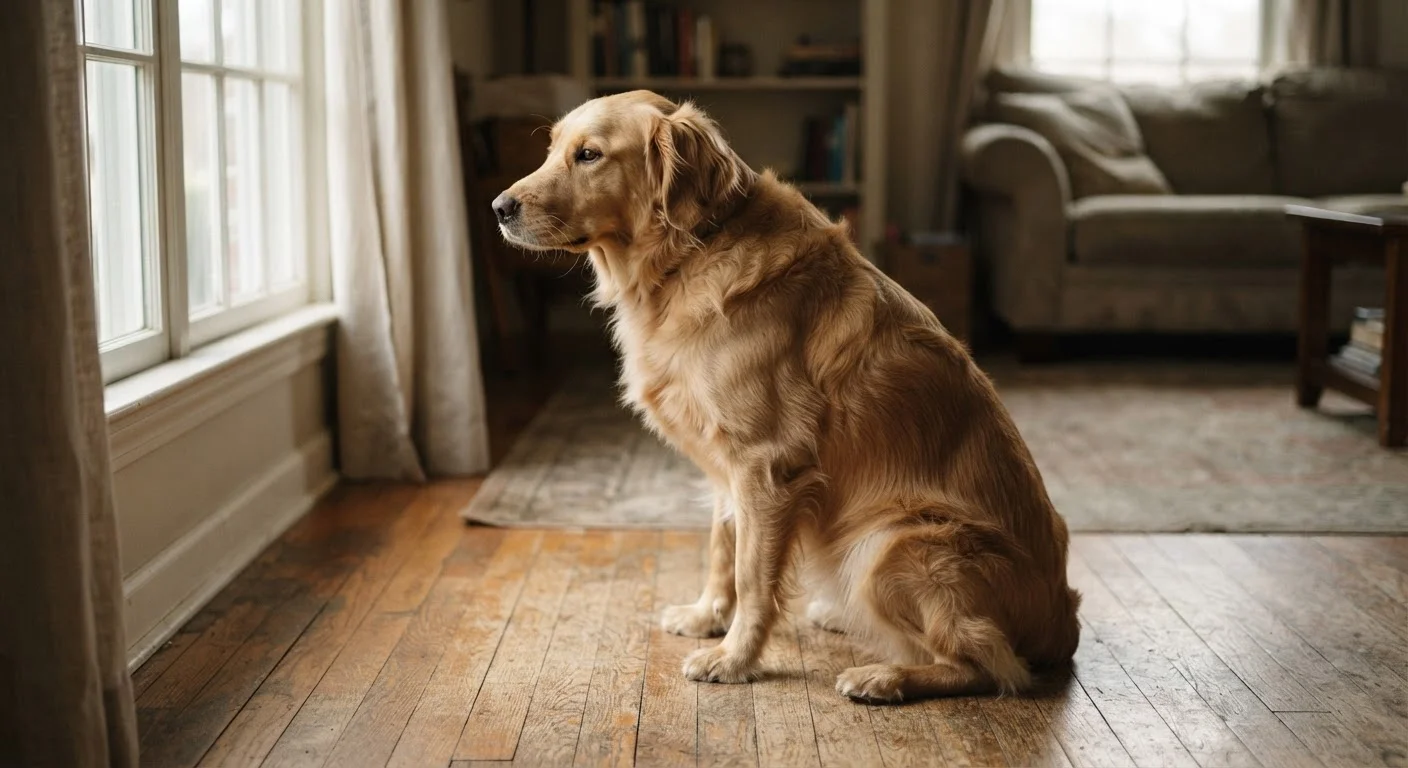
Photo: TargetReads.com | Explore Engaging Reads editorial
Key Takeaways
- Stress signals in dogs and cats are often subtle and easily mistaken for normal behavior.
- Yawning, lip-licking, whale eye, and over-grooming are among the most commonly overlooked signs.
- Recognizing early stress signals helps prevent escalation to anxiety, aggression, or illness.
- Consistent observation of your pet's baseline behavior is the foundation of early detection.
- A veterinarian or certified animal behaviorist should be consulted when stress signs persist.
Why Stress Signals Go Unnoticed
Pets communicate stress through body language long before it becomes a behavioral problem — but most of those signals are quiet, brief, and easy to misread. A dog that yawns during a training session isn't bored; a cat that grooms herself obsessively after visitors leave isn't just tidy. These are stress responses, and missing them repeatedly can allow chronic anxiety to take hold.
Understanding your pet's baseline — how they normally look, move, eat, and interact — is the single most useful tool for catching stress early. The signs below are those most commonly overlooked by well-meaning owners. Learning to recognize them is one of the most valuable habits you can build. For a broader look at discomfort cues that cross into physical pain, see our guide on how to tell if your pet is in pain.
Yawning Outside of Tiredness
Dogs yawn when they're tired — but they also yawn as a calming signal, a term coined by Norwegian dog trainer Turid Rugaas to describe behaviors dogs use to self-soothe or communicate discomfort. If your dog yawns repeatedly during nail trims, vet visits, or while being hugged by a child, that's stress — not sleepiness. Cats yawn under stress too, though it's less commonly discussed.
Repeated yawning during handling or new situations is a recognized stress signal, not boredom.
Lip-Licking and Nose-Licking
A quick flick of the tongue across the lips or nose — especially when no food is present — is another well-documented calming signal in dogs. It can appear during interactions with strangers, in response to direct eye contact, or when a dog feels pressured. Because it lasts less than a second, most owners miss it entirely. Watch for it during greetings, training sessions, or veterinary handling.
A tongue flick to the lips or nose with no food nearby is a fleeting but meaningful stress cue.
Whale Eye (Half-Moon Eye)
Whale eye refers to the crescent of white visible at the edge of a dog's eye when they turn their head away but keep their gaze fixed on something — revealing the sclera (white part) more than usual. It signals unease, often in response to proximity, resource guarding, or an approaching person. Misreading whale eye as curiosity or affection can lead to a bite that owners describe as coming from nowhere.
Visible white at the edge of a dog's eye is a warning sign of discomfort — not curiosity.
Excessive Grooming in Cats
Cats groom to regulate temperature and comfort, but stress-induced over-grooming — sometimes called psychogenic alopecia — can cause bald patches, skin irritation, or lesions. It often targets the belly, inner legs, or base of the tail. Because cats tend to groom privately, owners may only notice hair loss rather than the grooming itself. This is one reason the body language signals cats use deserve dedicated attention.
Hair loss on the belly or inner legs may signal stress-driven over-grooming, not a skin condition.
Piloerection (Raised Hackles) Without Aggression
Piloerection — the involuntary raising of fur along the spine and shoulders — is commonly associated with aggression, but it can occur during fear or heightened arousal with no aggressive intent at all. A dog with raised hackles who is also showing a tucked tail, lowered head, and avoidance is frightened, not threatening. Treating a fearful dog as aggressive — or dismissing raised hackles as unimportant — can worsen the situation.
Raised hackles paired with avoidance or a tucked tail signals fear, not a threat.
Hiding or Reduced Social Engagement
A pet that suddenly retreats under the bed, behind furniture, or into unusual spaces is communicating a need for distance. In cats, this is especially common after household changes — new people, new pets, or rearranged furniture. In dogs, social withdrawal can indicate stress, illness, or both. Forcing interaction with a hiding pet compounds the stress. Instead, allow retreat and monitor for persistence — a sign that warrants a veterinary check. See also the overlooked signs of anxiety in pets for related patterns.
A pet retreating and refusing interaction is asking for space — not being antisocial.
Changes in Elimination Habits
House soiling that appears suddenly in a previously reliable pet is one of the most misunderstood stress signs. Owners often interpret it as spite or regression, but pets don't eliminate inappropriately out of revenge — they do so because of anxiety, medical issues, or both. New locations, schedule disruptions, a new baby, or another pet can all trigger this response. Always rule out a urinary or gastrointestinal medical cause before assuming a behavioral one.
Sudden house soiling in a trained pet almost always signals stress or a medical issue — not spite.
When to Take Stress Signals Seriously
A single yawn or one episode of hiding doesn't necessarily indicate a problem — context matters. Stress becomes a concern when signals are frequent, cluster together, or persist after the stressor is gone. A pet that regularly shows two or more signs from the list above may be experiencing chronic stress that warrants professional attention.
Keep a Simple Behavioral Log
If stress signs are paired with appetite changes, weight loss, withdrawal, or physical symptoms, schedule a veterinary visit. Your vet can rule out underlying medical causes and, if needed, refer you to a certified applied animal behaviorist or veterinary behaviorist. You can also explore enrichment strategies that support your pet's emotional health as part of a longer-term plan. For dogs showing distress specifically when left alone, our article on separation anxiety in dogs covers the distinction between boredom and true anxiety.
This article is for general informational purposes only and does not constitute veterinary or behavioral advice. Always consult a licensed veterinarian or certified animal behaviorist for concerns about your individual pet.
The content on this site is for informational purposes only and is not a substitute for professional advice. Always consult a qualified professional for guidance specific to your situation.