
Separation Anxiety in Dogs: Causes, Signs, and Realistic Next Steps

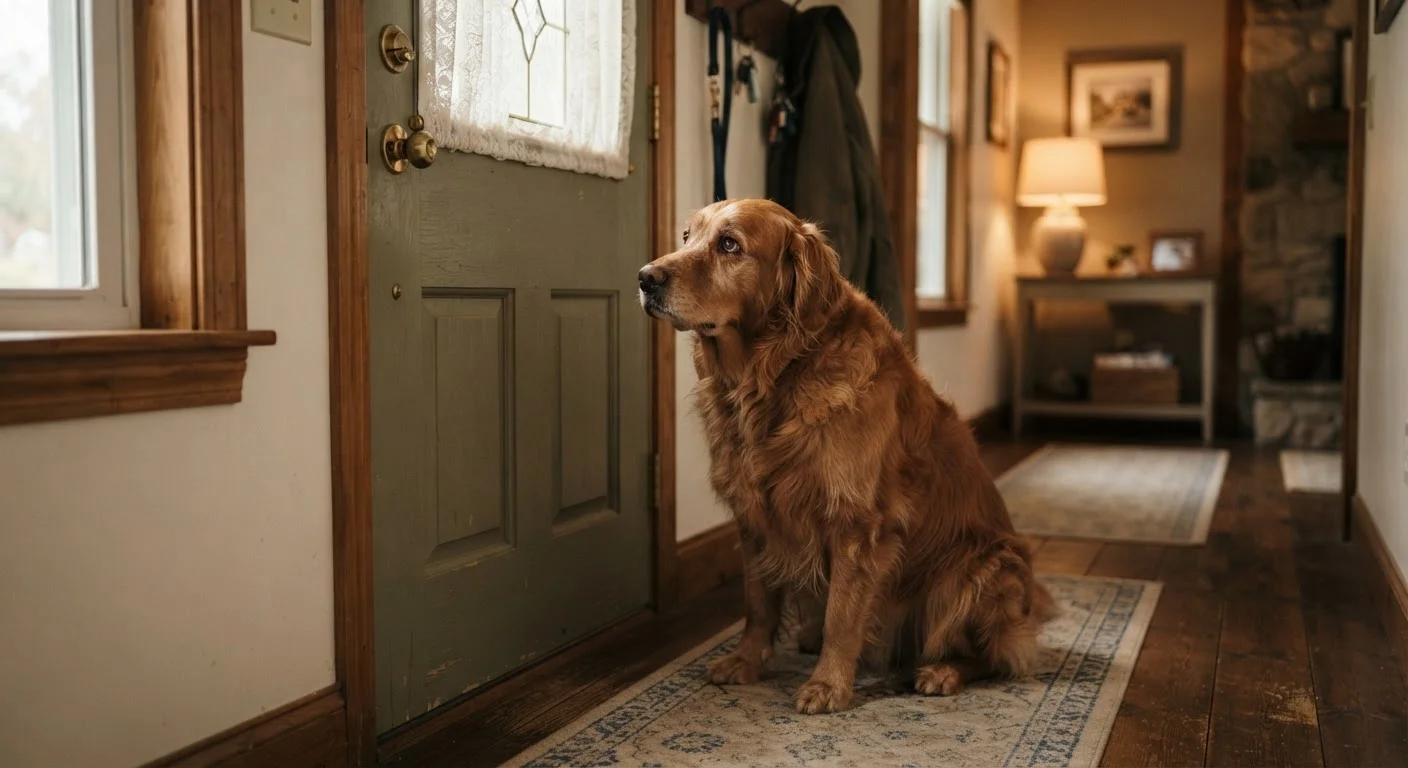
Photo: TargetReads.com | Explore Engaging Reads editorial
Key Takeaways
- Separation anxiety is a genuine panic response, not spite or bad behavior.
- Signs include destructive behavior, vocalization, and house-soiling that occur only when alone.
- Boredom and separation anxiety look similar but require very different responses.
- Gradual desensitization—not punishment—is the evidence-based starting point.
- Severe cases benefit from collaboration between a veterinary behaviorist and a certified trainer.
- Early intervention produces better outcomes than waiting for the behavior to worsen.
What Is Separation Anxiety?
Separation anxiety is a behavioral condition in which a dog experiences significant distress when left alone or separated from a primary attachment figure. It is not a personality quirk or a sign of a spoiled pet — it is closer to a panic response, one that can cause real suffering and real damage to your home.
Veterinary behaviorists generally distinguish between two forms. True separation anxiety involves a physiological stress response triggered by isolation. Simulated separation anxiety describes dogs that have learned that distress behaviors produce attention, though these cases are less common. Understanding which category your dog falls into shapes everything about the approach you take.
For a broader look at how anxiety and stress manifest across different situations, see our guide on stress and anxiety in pets.
Common Causes and Risk Factors
No single cause explains all cases, but research and clinical experience point to several consistent contributing factors:
- Early life experience: Dogs that were separated from their litter too early or spent extended time in shelters may have a reduced ability to self-regulate when isolated.
- Sudden schedule changes: A return to full-time office work, a new baby, or a family member leaving the household can destabilize a dog that has grown accustomed to constant company.
- Traumatic events: A frightening experience while alone — a thunderstorm, a loud noise — can create or worsen the association between solitude and danger.
- Breed predispositions: Dogs bred for close human partnership, such as herding and working breeds, may be more prone to attachment-related distress.
- Genetics: Temperament has a heritable component; some dogs are simply more sensitive to environmental stress.
If you recently brought home a new dog, setting up a new dog for success during the first two weeks can reduce the likelihood of anxiety developing later.
17%
Dogs estimated to have separation anxiety
Research published in veterinary behavioral journals estimates that separation anxiety affects roughly 14–17% of the pet dog population in the United States.
Top 3
Reason dogs are surrendered to shelters
Behavioral problems, including separation anxiety, are consistently cited among the leading reasons owners relinquish dogs to animal shelters.
30 min
Typical window for peak distress onset
Veterinary behavioral studies show most separation-anxious dogs reach peak distress within the first 30 minutes of the owner's departure.
Recognizing the Signs
The defining feature of separation anxiety is that the distress occurs specifically in the owner's absence or during the anticipation of it. Signs typically begin within 30 minutes of departure and may include:
- Persistent barking, howling, or whining
- Destructive behavior concentrated near doors and windows
- House-soiling despite being fully housetrained
- Escape attempts that sometimes result in self-injury
- Pacing, drooling, or panting excessively
- Refusal to eat treats or play with toys while alone
Pre-departure anxiety is also common: some dogs begin showing stress the moment their owner picks up keys or puts on shoes. Setting up a camera or using a pet monitor app before making changes is one of the most reliable ways to see what your dog is actually doing — rather than guessing from the aftermath.
Many stress signals are subtle and easy to miss. Our article on signs of stress in pets that owners frequently overlook covers the body language cues that often precede a full anxiety episode.
Recording Your Dog Is a Critical First Step
Separation Anxiety vs. Boredom: Key Differences
These two problems share surface-level symptoms — chewed furniture, noise complaints from neighbors — but stem from different causes and require different solutions.
| Factor | Separation Anxiety | Boredom / Under-stimulation |
|---|---|---|
| Trigger | Owner's absence | Lack of enrichment, any time |
| Onset | Immediately or shortly after departure | After extended inactivity |
| Response to enrichment toys | Often ignored while alone | Usually engaged with |
| Physical symptoms | Panting, drooling, pacing | Rarely present |
| Eats when alone | Typically refuses food | Usually eats normally |
A bored dog generally benefits from more exercise, training sessions, puzzle feeders, and social interaction. An anxious dog needs a structured desensitization program — and more walks alone will not resolve the underlying distress.
Use a camera — not your neighbor's reports — to confirm what your dog is doing when you're gone. What happens in the first five minutes after you leave is often the most diagnostic footage you can get.
Never punish a dog for destruction or soiling caused by separation anxiety. The behavior is a symptom of panic, and punishment adds fear on top of existing distress, making the condition worse.
Gradual Desensitization: How It Actually Works
Gradual desensitization — sometimes combined with counter-conditioning — is the cornerstone of evidence-based treatment for separation anxiety. The goal is to teach the dog that being alone is safe, by exposing it to departures in small, manageable increments that stay below the anxiety threshold.
The Basic Framework
- Identify the threshold: Find the duration your dog can tolerate before showing any stress. For some dogs, this is 30 seconds.
- Start below that threshold: Practice departures of 5–10 seconds, returning before distress begins.
- Increase duration gradually: Add time in small steps, only advancing when the dog is consistently calm at the current level.
- Vary the pattern: Avoid predictable sequences. Mix short and longer absences so the dog cannot anticipate an escalation.
- Decouple departure cues: Pick up your keys, put on your coat, and sit back down — repeatedly — until those cues stop triggering a stress response.
Make Departures Calm and Unremarkable
Progress is rarely linear. Setbacks after stressful events (a vet visit, a storm) are normal and do not mean the training has failed. Consistency over weeks and months — not days — is what produces lasting change.
When to Involve a Professional
Many mild-to-moderate cases respond well to owner-led desensitization, especially when started early. However, professional support is strongly recommended when:
- The dog is injuring itself during escape attempts
- Distress begins within seconds of the owner's departure despite weeks of training
- The dog cannot tolerate any absence at all
- A household member's safety or the dog's physical health is at risk
A board-certified veterinary behaviorist (DACVB) can evaluate whether medication may be appropriate as part of a comprehensive treatment plan. Medication is not a shortcut — it reduces the physiological stress response enough for behavioral training to be effective. A certified applied animal behaviorist (CAAB) or a trainer with demonstrated experience in separation anxiety protocols can guide the desensitization process.
Understanding your dog's broader behavioral tendencies — including why dogs pull on the leash or react to new stimuli — helps build a more complete picture of their stress profile, which informs better training decisions.
Avoid Punishment-Based Methods
This article is for general informational and educational purposes only. It does not constitute veterinary or medical advice. Always consult a licensed veterinarian or qualified veterinary behaviorist for diagnosis and treatment of behavioral conditions in your pet.
The content on this site is for informational purposes only and is not a substitute for professional advice. Always consult a qualified professional for guidance specific to your situation.