
Outfit Formulas That Work for Almost Any Everyday Occasion

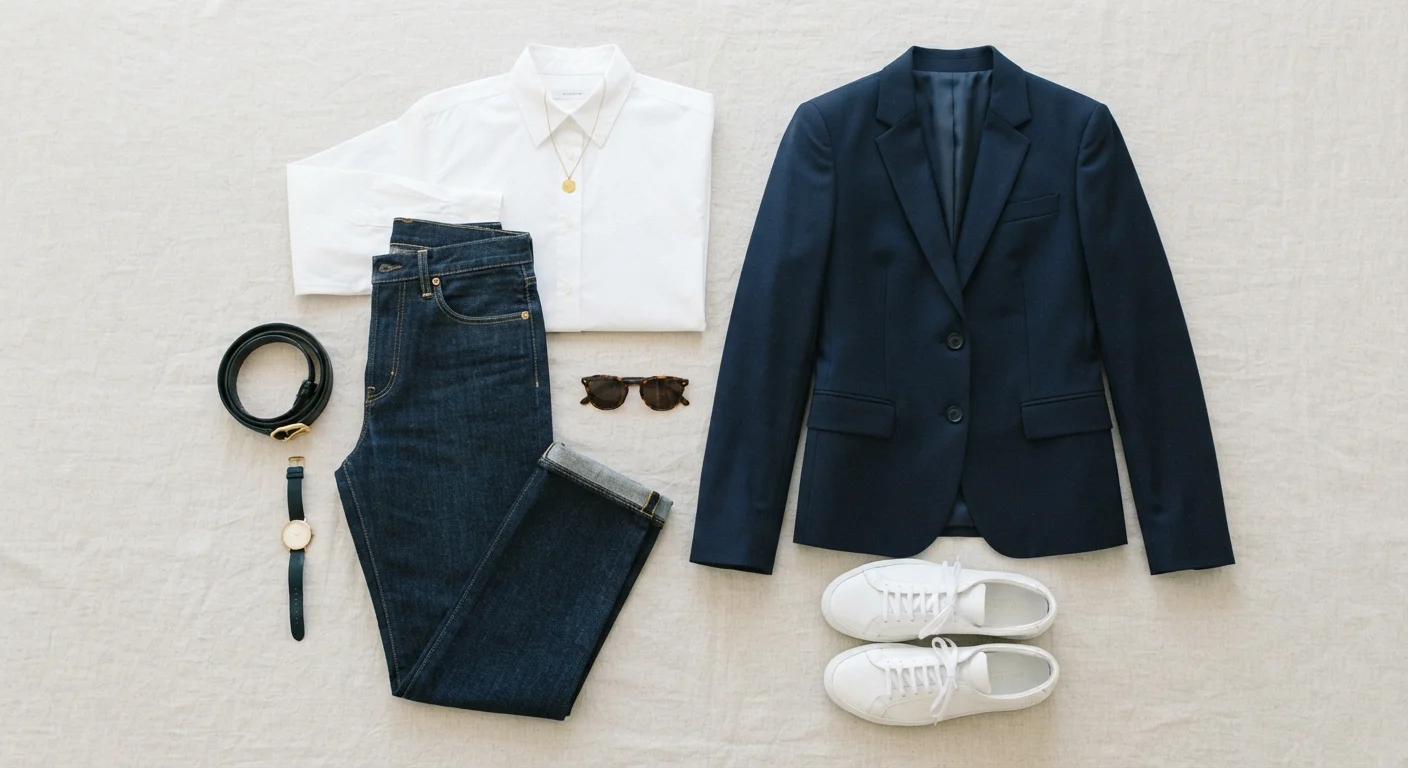
Photo: TargetReads.com | Explore Engaging Reads editorial
Key Takeaways
- Outfit formulas remove daily decision fatigue by pairing proven combinations you can repeat with confidence.
- Well-fitted basics — not trendy pieces — are the building blocks of every formula that works.
- Monochrome dressing, layering, and the blazer-jeans pairing are among the most versatile everyday formulas.
- Small details like shoe choice and a single accessory can shift one formula across multiple dress codes.
- These formulas work at any age, body type, or budget when anchored to your existing wardrobe.
Why Formulas Beat Guesswork Every Morning
Standing in front of a full closet feeling like you have nothing to wear is one of the most common — and most fixable — style frustrations. The culprit usually isn't a shortage of clothes; it's a shortage of reliable combinations you can reach for without thinking twice.
Outfit formulas solve this by giving you a repeatable structure: a pairing or layering logic that looks intentional no matter how quickly it comes together. Think of them less as rigid rules and more as dependable shortcuts. Once a formula is in your repertoire, getting dressed stops being a creative challenge every single morning and starts feeling almost automatic.
If you're newer to building a wardrobe around versatile pieces, our guide to building a functional wardrobe from the ground up is a great place to start. And if you want to reduce decision fatigue even further, pairing these formulas with a planned morning routine — as covered in our getting dressed faster guide — makes an enormous difference.
Below, we've pulled together seven outfit formulas that genuinely hold up across everyday situations — casual errands, casual Fridays, weekend plans, and low-key social events alike.
Dark Jeans + Blazer + Simple Tee
This is arguably the most reliable formula in existence, and for good reason — it covers an enormous range of occasions without looking like you tried too hard or not hard enough. Dark-wash, well-fitted jeans read as polished the moment you put a structured blazer over a clean crew-neck or V-neck tee.
The key is fit on all three pieces. Slim or straight-leg jeans work best; avoid overly distressed denim if you need the look to lean professional. The blazer can be unlined linen in warmer months or a wool blend in cooler ones. Finish with leather sneakers or loafers to control where on the casual-to-polished spectrum you land. This formula maps neatly onto what's typically called smart casual or business casual.
Dark jeans and a blazer cover more everyday occasions than almost any other single combination.
Monochrome or Tonal Dressing
Wearing one color — or closely related shades of the same color — from head to toe is one of the most quietly elevated things you can do with your wardrobe. Monochrome looks elongate the silhouette visually and read as intentional even when they take almost no thought to put together.
Navy on navy, tan on cream, or all-grey are particularly forgiving entry points. You don't need to match perfectly; tonal variation adds texture and depth. A chunky knit in camel over camel trousers with camel ankle boots is a complete, considered outfit built from three simple pieces. If color combinations make you nervous, our color coordination guide walks through the logic simply.
Monochrome dressing looks intentional and polished with almost zero effort — just keep tones close.
Straight-Leg Trousers + Tucked Shirt + Loafers
This formula splits the difference between effortless and put-together in a way that very few other combinations do. Straight-leg trousers — in linen, cotton twill, or a ponte fabric — paired with a clean button-down or a fitted knit, half-tucked or fully tucked, instantly communicates that you dressed on purpose without being overdressed.
Loafers or mules anchor the look with just enough structure. This formula works especially well for anyone navigating ambiguous dress codes at the office, casual Friday environments, or weekend gatherings where jeans feel too casual but a suit feels out of place.
Straight-leg trousers and a tucked shirt handle ambiguous dress codes better than most other formulas.
White Button-Down + Anything
A well-fitted white button-down shirt is its own outfit formula because it functions as a reliable anchor for almost every other piece in your closet. Wear it open over a white tee for layered ease. Tuck it into high-waisted trousers for polish. Knot it at the waist over a midi skirt for a casual yet styled look. Layer it under a sweater with just the collar visible for a preppy-adjacent layering trick.
The white button-down's versatility comes from its neutrality — it plays well with both neutrals and statement pieces without competing with either. Fabric matters: opt for cotton or a cotton-blend for breathability and easier care. Crisp, but not stiff, is the goal.
A well-fitted white button-down is the most versatile anchor piece for everyday outfit building.
Midi Skirt or Wide-Leg Pants + Fitted Top
Volume on the bottom, fitted on top — or vice versa — is the easiest way to create a balanced, visually cohesive silhouette without any styling expertise. A fluid midi skirt paired with a fitted ribbed tee or slim tank looks effortless in warm weather. Wide-leg trousers work the same principle with a tucked bodysuit or streamlined knit for cooler months.
This formula is particularly effective because the contrast in proportions does the visual work for you. Keep footwear minimal — a simple sandal or low mule for skirts; a clean sneaker or ankle boot for wide-leg pants — to avoid competing with the silhouette.
Balancing volume — fitted top with wide bottom or vice versa — creates a polished silhouette automatically.
Denim + Denim (Canadian Tuxedo, Done Right)
Double denim gets an unfairly bad reputation. When done thoughtfully, pairing two denim pieces is a relaxed, stylish formula that works for casual weekend days, errands, and low-key social situations. The rule is simple: vary the wash. A light-wash denim jacket over dark-wash straight-leg jeans creates enough contrast to look intentional rather than accidental.
Alternatively, pair a chambray shirt (a softer, lighter denim-adjacent fabric) with medium-wash jeans for a more subtle version of the formula. Keep the rest of the outfit neutral — a white tee underneath, clean white sneakers — to let the denim tones do the talking.
Double denim works when you vary the wash — the contrast reads as intentional and relaxed-cool.
Sweater + Tailored Trousers + Clean Sneakers
This formula is the everyday uniform for good reason: it combines the comfort of a casual piece (the sweater) with the polish of tailored trousers and bridges them visually with a clean, minimal sneaker. The result looks thoughtfully put-together while staying genuinely comfortable for long days.
A chunky knit, a fine-gauge crewneck, or a relaxed cashmere-blend all work depending on the season and occasion. Tailored trousers don't need to be formal — cropped straight-leg styles in neutral tones like camel, olive, or charcoal keep things grounded. This formula ages well across decades and dress codes, making it one worth repeating regularly.
Sweater plus tailored trousers plus clean sneakers is the everyday formula that consistently over-delivers.
Making Any Formula Your Own
These formulas are intentionally flexible, but their real power comes from knowing when to swap one element to shift the occasion. Swapping canvas sneakers for leather loafers can move the jeans-and-blazer formula from a coffee run to a client lunch. Replacing a turtleneck with a linen button-down takes the monochrome look from cool-weather polished to warm-weather effortless.
One Swap Changes Everything
Fit matters more than the specific pieces. A well-fitted formula with basic, affordable items will almost always read better than an expensive outfit that doesn't flatter your shape. For a deeper look at what makes outfits fall flat, see our breakdown of common wardrobe mistakes.
These formulas also adapt across ages and life stages. The core logic stays the same; what shifts is texture, silhouette preference, and personal comfort — all explored in our article on dressing well at any age. Start with two or three formulas that match your current lifestyle, practice them until they feel natural, then layer in the others at your own pace.
The content on this site is for informational purposes only and is not a substitute for professional advice. Always consult a qualified professional for guidance specific to your situation.