
Grooming Ingredients Glossary: Decoding the Terms on Your Hair Care Labels

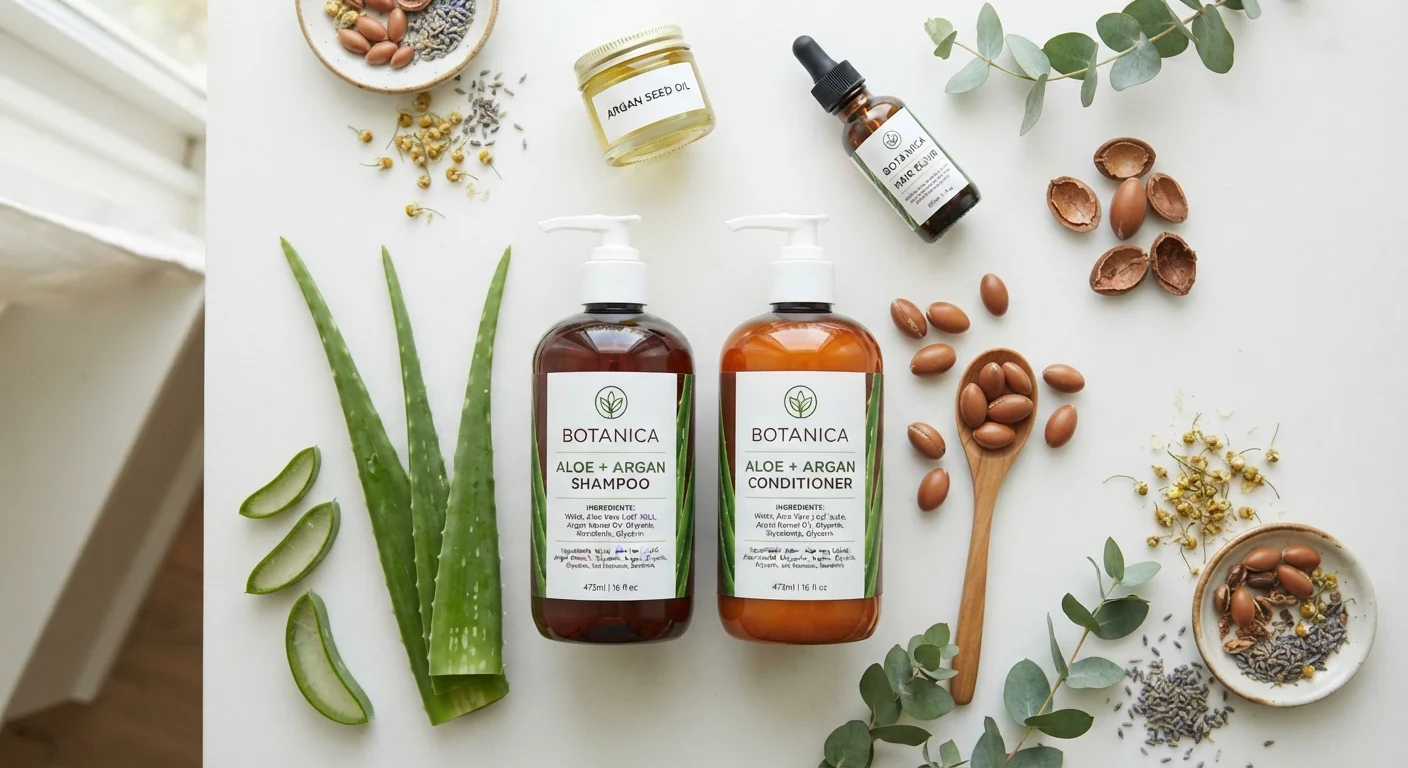
Photo: TargetReads.com | Explore Engaging Reads editorial
Why Ingredient Labels Feel Like a Foreign Language
Flip over almost any shampoo or conditioner bottle and you'll find a wall of text — long chemical names, Latin plant terms, and abbreviations that seem designed to confuse. But those ingredients actually tell a clear story about what a product does, how it behaves on your hair, and whether it's likely to work for your particular needs.
This glossary breaks down the most common categories and terms you'll encounter, in plain language. Think of it as a quick-reference card you can return to whenever a new product has you scratching your head. If you're also curious about what those ingredient categories mean for your skin, check out our skincare ingredient glossary for a parallel breakdown.
| Ingredient listing order | Listed highest to lowest concentration (U.S. FDA cosmetic labeling requirements) |
| Most common surfactant | Sodium laureth sulfate (SLES) |
| Classic humectant | Glycerin |
| Silicone identifier | Ingredient names ending in -cone, -conol, or -xane |
| Protein ingredients | Look for "hydrolyzed" before any protein name |
| Fragrance disclosure | Listed simply as "fragrance" or "parfum" — may contain multiple undisclosed compounds (U.S. Fair Packaging and Labeling Act) |
The Core Ingredient Categories Decoded
Hair care formulas are built from a handful of functional ingredient families. Once you recognize each category, the label stops feeling overwhelming.
Humectant
An ingredient that draws water molecules from the air (or deeper skin layers) into the hair shaft to boost moisture. Common examples include glycerin, panthenol (pro-vitamin B5), and aloe vera.
Emollient
An ingredient that softens and smooths the hair by filling gaps in the cuticle. Natural oils like argan, jojoba, and coconut oil are classic emollients in hair care.
Occlusive
An ingredient that forms a physical barrier on the hair or scalp to slow moisture loss. Heavier ingredients like shea butter and castor oil fall into this category.
Surfactant
A cleansing agent that lifts oil, dirt, and product buildup from hair and scalp so they can be rinsed away with water. Shampoos are built around surfactants.
Conditioning Agent
An ingredient that improves the feel, softness, and manageability of hair after cleansing. Cetyl alcohol and behentrimonium chloride are common examples.
Protein
Hydrolyzed proteins (such as keratin, wheat, or silk) help temporarily reinforce the hair shaft by filling in weak spots along the cuticle. Particularly helpful for chemically treated or porous hair.
Chelating Agent
An ingredient that binds to mineral buildup — like calcium and magnesium from hard water — so it can be washed away. EDTA is the most widely used chelating agent in shampoos.
Preservative
An ingredient added to water-based formulas to prevent microbial growth and extend shelf life. Parabens, phenoxyethanol, and potassium sorbate are all common preservatives.
Understanding how these categories interact matters just as much as knowing them individually. For example, a humectant draws moisture in — but without an emollient or occlusive to seal it, that moisture can evaporate quickly, especially in dry climates. This layering logic is exactly why rinse-out conditioners and leave-ins serve different functions: the formats are designed around how long each ingredient category needs to work.
Silicones, Sulfates, and Parabens: The Controversial Trio
These three ingredient families dominate hair care marketing — usually as things to avoid. Here's an honest look at what the evidence actually says.
Silicones
Silicones (ingredients ending in -cone, -conol, or -xane) coat the hair shaft to reduce frizz and add shine. They're effective at their job. The concern is that certain silicones — particularly non-water-soluble ones — can build up over time, weighing hair down and making it harder for moisture to penetrate. Water-soluble silicones, by contrast, rinse out more readily. If you notice your hair feeling increasingly flat or dull, buildup from non-soluble silicones may be a factor worth exploring.
Sulfates
Sulfates like sodium lauryl sulfate (SLS) and sodium laureth sulfate (SLES) are surfactants — they're what create lather and lift oil and dirt from the scalp. They do their job well, but they're strong enough that they can strip natural oils from the scalp and hair shaft, particularly in people with dry, color-treated, or curly hair. Gentler surfactant alternatives (such as cocamidopropyl betaine or sodium cocoyl isethionate) clean without the same level of stripping.
Parabens
Parabens are preservatives that prevent mold and bacterial growth in water-based formulas. They've been a subject of ongoing scientific discussion regarding potential health effects, but major regulatory bodies have generally not concluded they are unsafe at concentrations used in cosmetics. If you prefer to avoid them, many formulas now use alternative preservatives like phenoxyethanol or potassium sorbate.
"Free From" Labels Aren't the Full Story
Putting It All Together in Your Routine
Reading ingredient labels is a skill that gets faster with practice. Start by scanning for the first five ingredients — in cosmetics, ingredients are listed in descending order by concentration, so what appears at the top of the list is most present in the formula.
From there, look for the functional categories that match your hair's actual needs: humectants if your hair skews dry, gentle surfactants if your scalp is sensitive, and proteins if your strands feel weak or overly porous. If you'd rather skip the label-reading entirely and just build a simple, effective routine from scratch, our guide on a no-fuss head-to-toe grooming routine is a practical starting point. And for a broader look at skincare and beauty basics, the hub has you covered across all your personal care questions.
This article is for general informational purposes only and does not constitute medical or dermatological advice. If you have specific scalp or skin concerns, consult a qualified healthcare professional or licensed dermatologist.
The content on this site is for informational purposes only and is not a substitute for professional advice. Always consult a qualified professional for guidance specific to your situation.