
Conditioner, Co-Wash, or Leave-In: Understanding What Each One Actually Does

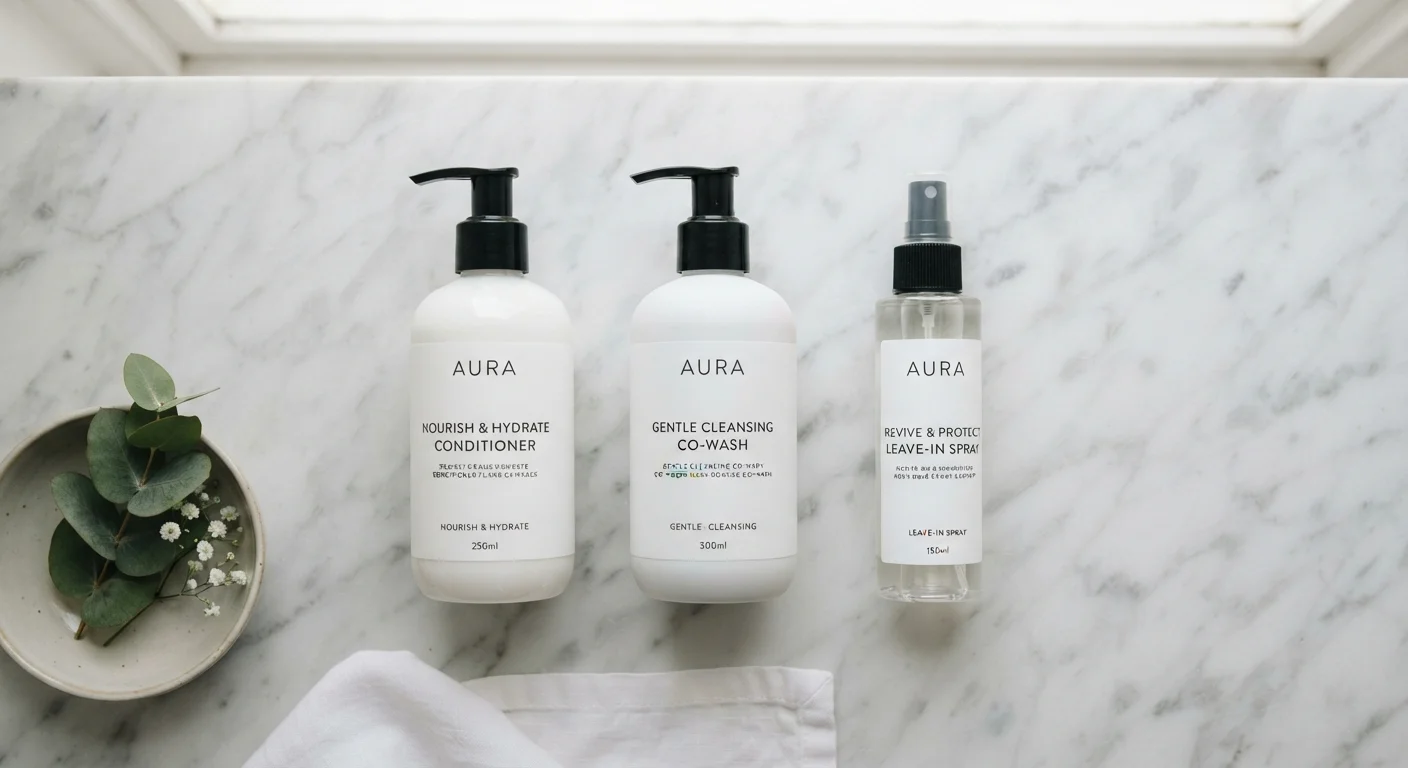
Photo: TargetReads.com | Explore Engaging Reads editorial
Key Takeaways
- Rinse-out conditioner replenishes moisture after shampooing and is designed to be washed away.
- Co-washing replaces shampoo and conditioner in one step, cleansing gently without stripping natural oils.
- Leave-in conditioner stays on hair to provide ongoing softness, detangling, and protection throughout the day.
- Choosing the right product depends primarily on your hair texture, porosity, and how frequently you wash.
- These three products are not interchangeable — using one in place of another can lead to buildup or dryness.
Why the Distinctions Actually Matter
Walk into any beauty aisle and you'll find shelves stacked with bottles claiming to hydrate, soften, and strengthen your hair. But conditioner, co-wash, and leave-in treatments work through fundamentally different mechanisms — and mixing them up can leave hair feeling greasy, flat, or paradoxically more dried out.
The confusion is understandable. All three share overlapping ingredients like emollients (moisturizing agents that smooth the hair cuticle) and humectants (ingredients that draw water into the hair shaft). The difference lies in when they're applied, how long they stay on, and what job they're actually doing. Think of it the way you'd think about layering skincare products — sequence and product purpose both matter.
Rinse-Out Conditioner: The Post-Shampoo Reset
Standard rinse-out conditioner is formulated to work after shampooing. Shampoo — especially formulas containing sulfates — lifts and opens the hair cuticle to cleanse the scalp and strands. Conditioner follows to smooth that cuticle back down, seal in moisture, and reduce friction that leads to tangling and breakage. If you want a closer look at how sulfates interact with your scalp and strands, that context helps explain why conditioner is typically the mandatory follow-up step.
You apply it to the mid-lengths and ends — not the scalp, which has its own natural oil production — let it sit for one to five minutes, and rinse thoroughly. The rinsing step is important: conditioner residue left on the scalp can contribute to buildup and potential irritation over time. See our guide on identifying product buildup versus scalp conditions if you're unsure what's happening at your roots.
| Rinse-Out Conditioner | Co-Wash | Leave-In Conditioner | |
|---|---|---|---|
| Primary function | Moisturize and smooth after shampoo | Gently cleanse and condition simultaneously | Provide ongoing hydration and protection |
| When applied | After shampooing, on wet hair | In place of shampoo, on wet hair | After washing, on damp hair |
| Rinsed out? | Yes — fully rinsed | Yes — fully rinsed | No — stays on hair |
| Best for | Most hair types, regular wash routines | Dry, curly, coily, or color-treated hair | All hair types; especially dry or high-porosity |
| Buildup risk | Low when rinsed properly | Moderate with frequent use alone | Low with lightweight formulas |
| Cleanses scalp? | No | Yes, mildly | No |
Co-Washing: Cleanse and Condition in One Step
Co-washing — short for "conditioner washing" — replaces your traditional shampoo with a product that cleanses gently while depositing conditioning agents simultaneously. Co-wash formulas typically contain mild surfactants (much gentler than sulfates) alongside the moisturizing ingredients found in regular conditioners.
This method gained significant traction within communities with naturally curly, coily, or highly textured hair because aggressive cleansers can strip the natural oils that these hair types genuinely need. Co-washing is also popular among people with color-treated hair, where color longevity and reduced cuticle damage are priorities.
Start With a Clarifying Wash First
The tradeoff: co-washing alone may not fully clear heavy product buildup, hard water deposits, or excess sebum on the scalp over time. Many people who co-wash regularly will still do a clarifying shampoo wash once or twice a month. Understanding what's actually in your hair care labels can help you spot the difference between a true co-wash formula and a standard conditioner being marketed as one.
Leave-In Conditioner: Ongoing Protection Between Washes
Leave-in conditioner is applied to damp or towel-dried hair after washing — and it stays there. Unlike rinse-out conditioner, leave-ins are formulated at lower concentrations so they won't weigh hair down or cause buildup when not rinsed away. Their job is to provide a continuous moisture buffer, ease detangling, reduce frizz, and in many formulas, offer a degree of heat protection before styling.
Leave-ins come in several forms: lightweight sprays that work well for fine or straight hair, creams for medium to thick textures, and butters or dense formulas for very coily or high-porosity hair that drinks up moisture quickly. High-porosity hair, for instance, benefits from heavier leave-ins because the raised cuticle structure loses moisture faster. If you're also using natural oils on your hair, a leave-in applied first can help seal those oils in effectively.
Leave-ins also pair well with heat tools. If styling is part of your routine, a leave-in with thermal protection properties adds a practical layer of defense — something covered in depth in our guide to heat styling without the damage.
~65%
People with curly or coily hair textures
Hair texture studies suggest a significant majority of people have some degree of wave, curl, or coil — hair types that are generally most responsive to co-washing and leave-in treatments.
3–5 min
Typical rinse-out conditioner contact time
Most conditioning formulas are designed to deliver their primary benefits within three to five minutes of application before rinsing — longer isn't always better.
Building a Routine That Actually Works for You
These three products don't have to compete — they can coexist in a routine designed around your actual hair needs. A common approach: shampoo (or co-wash) on wash day, rinse-out conditioner immediately after, then leave-in before air-drying or heat styling. On non-wash days, a leave-in spray can refresh second-day hair without requiring a full cleanse.
If your hair is fine or oily, you might skip co-washing entirely and rely on a lightweight rinse-out conditioner, with a leave-in spray applied sparingly to ends only. If your hair is dense, dry, or highly textured, co-washing more frequently and using a richer leave-in cream may prevent the dryness and breakage that over-cleansing can trigger. There's no universal formula — the goal is understanding what each product is doing so you can make deliberate choices rather than defaulting to whatever's on sale.
This article is for general informational purposes only and does not constitute professional dermatological or medical advice. If you have a scalp condition or other hair health concern, consult a qualified healthcare professional or dermatologist.
The content on this site is for informational purposes only and is not a substitute for professional advice. Always consult a qualified professional for guidance specific to your situation.