
Natural Oils for Hair: What Each One Is Actually Suited For

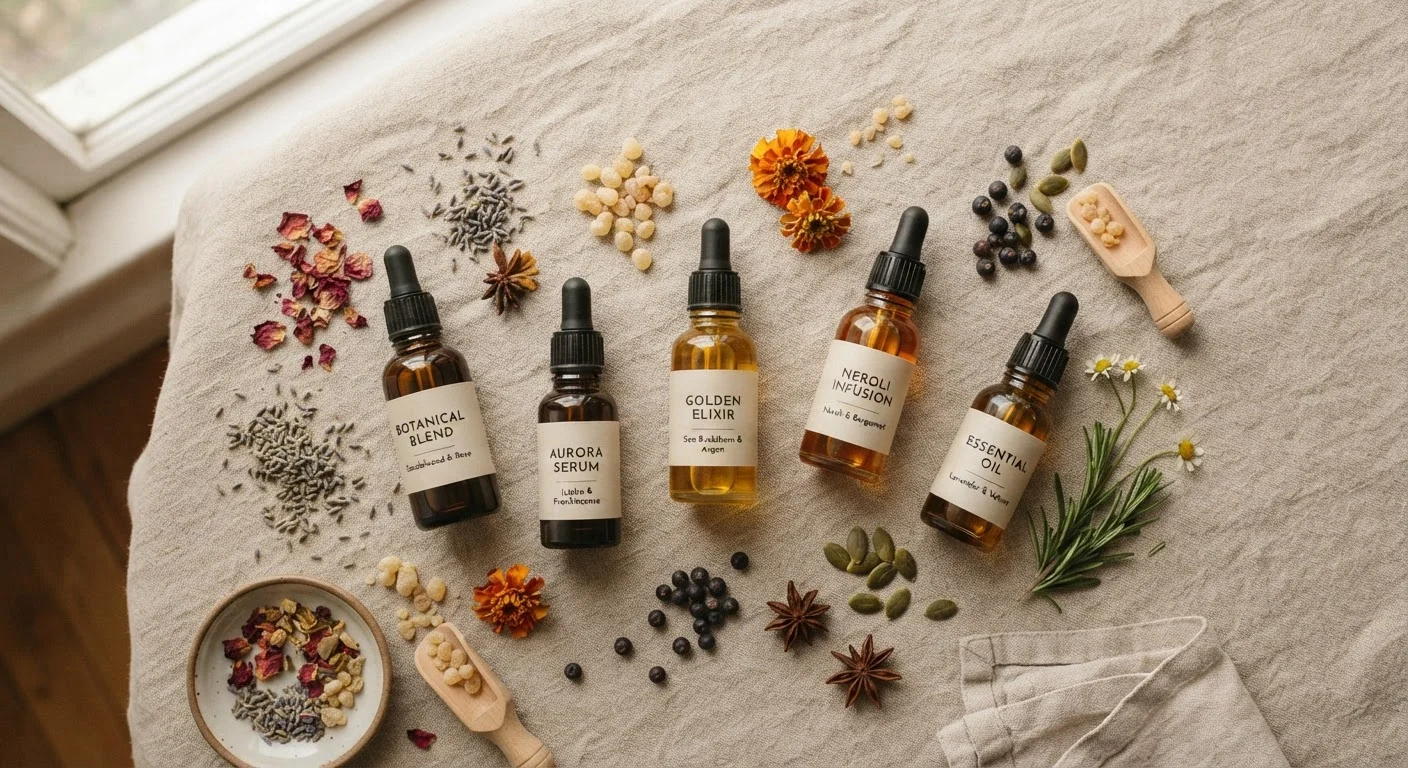
Photo: TargetReads.com | Explore Engaging Reads editorial
Key Takeaways
- Coconut oil is one of the few oils that can penetrate the hair shaft, reducing protein loss.
- Argan oil works best as a surface sealant and frizz smoother, especially on chemically treated hair.
- Jojoba oil closely mimics scalp sebum, making it a gentle option for scalp care and fine hair.
- Castor oil's thick consistency makes it a popular choice for edge care and sealing moisture in coarse textures.
- Matching the oil to your hair's porosity and texture is more important than brand or marketing claims.
Why the Oil You Choose Actually Matters
Walk down any beauty aisle and you'll find natural oils marketed with sweeping promises — longer hair, glossier strands, a healthier scalp. The reality is more nuanced. Natural oils differ significantly in molecular weight, fatty acid composition, and whether they can penetrate the hair shaft or simply coat its surface. That distinction matters because using the wrong oil for your hair type or goal can leave strands weighed down, greasy, or no better off than before.
Hair porosity — how readily your strands absorb and retain moisture — plays a big role in which oils are likely to feel comfortable and perform well. Low-porosity hair (with tightly packed cuticles) tends to resist heavier oils, while high-porosity hair (with lifted or damaged cuticles) often benefits from denser oils that help lock moisture in. Understanding your hair's needs before reaching for a bottle is a smarter starting point than relying on packaging alone. For a parallel exercise in reading your own biology before choosing products, the same logic applies to skincare — see our guide on understanding your skin type for how that approach works.
Coconut Oil — The Deep-Penetrating Workhorse
Coconut oil is one of the most studied oils in hair care, and for good reason. Its primary component, lauric acid, has a small enough molecular size to partially penetrate the hair shaft rather than sitting entirely on the surface. Research published in the Journal of Cosmetic Science found that coconut oil reduced protein loss in both damaged and undamaged hair when used as a pre-wash treatment.
It works best as a pre-shampoo mask on medium-to-coarse, low- or normal-porosity hair. Apply it 30 minutes before washing and rinse thoroughly. High-porosity hair can tolerate it as a sealant, but very fine hair often finds it too heavy for daily use. One important note: refined coconut oil and virgin coconut oil behave similarly on hair — the distinction matters more for consumption than application.
Lauric acid gives coconut oil a rare ability to partially penetrate the hair shaft and reduce protein loss.
Argan Oil — The Surface Smoother for Frizz and Shine
Argan oil has a higher molecular weight than coconut oil, which means it primarily coats the hair's outer cuticle rather than penetrating it. That's not a flaw — it's a feature. The oleic and linoleic acids in argan oil form a smoothing layer over the cuticle, reducing friction, taming frizz, and adding visible shine without greasiness.
It's particularly well-suited to chemically treated, color-processed, or heat-styled hair that needs surface protection and luster rather than deep conditioning. A small amount warmed between the palms and applied to dry or damp ends is a classic finishing move. Fine hair can often handle argan oil better than coconut oil because of its lighter feel.
Argan oil coats the cuticle to reduce friction and add shine — making it ideal for chemically treated hair.
Jojoba Oil — The Scalp-Friendly Mimic
Technically a liquid wax rather than a true oil, jojoba's molecular structure closely resembles human sebum — the natural oil produced by the scalp. This makes it unusually compatible with both scalp skin and hair without the heavy residue that other oils can leave behind.
Jojoba is a good choice for scalp massages and for those who want to address dryness or flakiness without disrupting the scalp's natural oil balance. It's also one of the lighter options on this list, making it a realistic daily-use oil for fine or low-porosity hair types. Because it mimics sebum, it may also help balance scalp oiliness over time — though research on this mechanism is still emerging.
Jojoba's sebum-like structure makes it one of the most scalp-compatible oils for daily, lightweight use.
Castor Oil — The Dense Sealant for Coarse and Curly Textures
Castor oil is significantly thicker than the other oils on this list, owing to its high ricinoleic acid content. That viscosity makes it a powerful sealant — it sits on the hair surface and forms a barrier that helps lock moisture into the strand. It's a staple in many routines for coarse, natural, or tightly coiled hair, where moisture retention is a top priority.
It's commonly used on edges, eyebrows, and hairlines as part of a grooming or styling routine. Because of its weight, castor oil is almost always most effective when diluted with a lighter carrier oil like jojoba or argan, especially for application to longer lengths. Using it undiluted on the scalp can sometimes cause buildup if not thoroughly cleansed.
Castor oil's thick consistency seals in moisture effectively, making it a go-to for coarse and curly textures.
Sweet Almond and Grapeseed — Lightweight Everyday Options
Sweet almond oil and grapeseed oil don't get the spotlight that coconut or argan oil do, but both earn their place in a practical hair-care toolkit. Both are relatively lightweight with a thin consistency, making them accessible options for fine hair or any texture that finds heavier oils overwhelming.
Sweet almond oil is rich in oleic acid and absorbs reasonably well, offering mid-level moisture without heaviness. Grapeseed oil is even lighter, high in linoleic acid, and has a nearly neutral scent — making it a good neutral carrier for blending with thicker oils or essential oils. Neither penetrates the hair shaft the way coconut oil does, but as surface conditioners and frizz-tamers, they're genuinely underrated.
Grapeseed and sweet almond oils are underrated everyday options for fine or easily weighed-down hair types.
Getting the Most Out of Your Oil
Oils are almost always most effective when applied to damp — not soaking wet or bone-dry — hair. A small amount goes further than you'd expect; start with a few drops and build from there. For scalp-focused applications, a light massage improves circulation and distribution without requiring a heavy hand. If you're layering oil into a wash-day routine, consider whether your shampoo is playing well with your hair's needs — our breakdown of sulfates in shampoo explains when a gentler cleanse might be worth pursuing. Oils also work well alongside leave-in conditioners or as a finishing step in a conditioner routine; for a full picture of how these products layer together, explore conditioner, co-wash, and leave-in options.
Start With Less, Always
This article is for general informational purposes only. Individual hair types and conditions vary; consult a licensed trichologist or dermatologist if you have persistent scalp concerns.
The content on this site is for informational purposes only and is not a substitute for professional advice. Always consult a qualified professional for guidance specific to your situation.