
Sulfates in Shampoo: What They Do and When They're Worth Avoiding

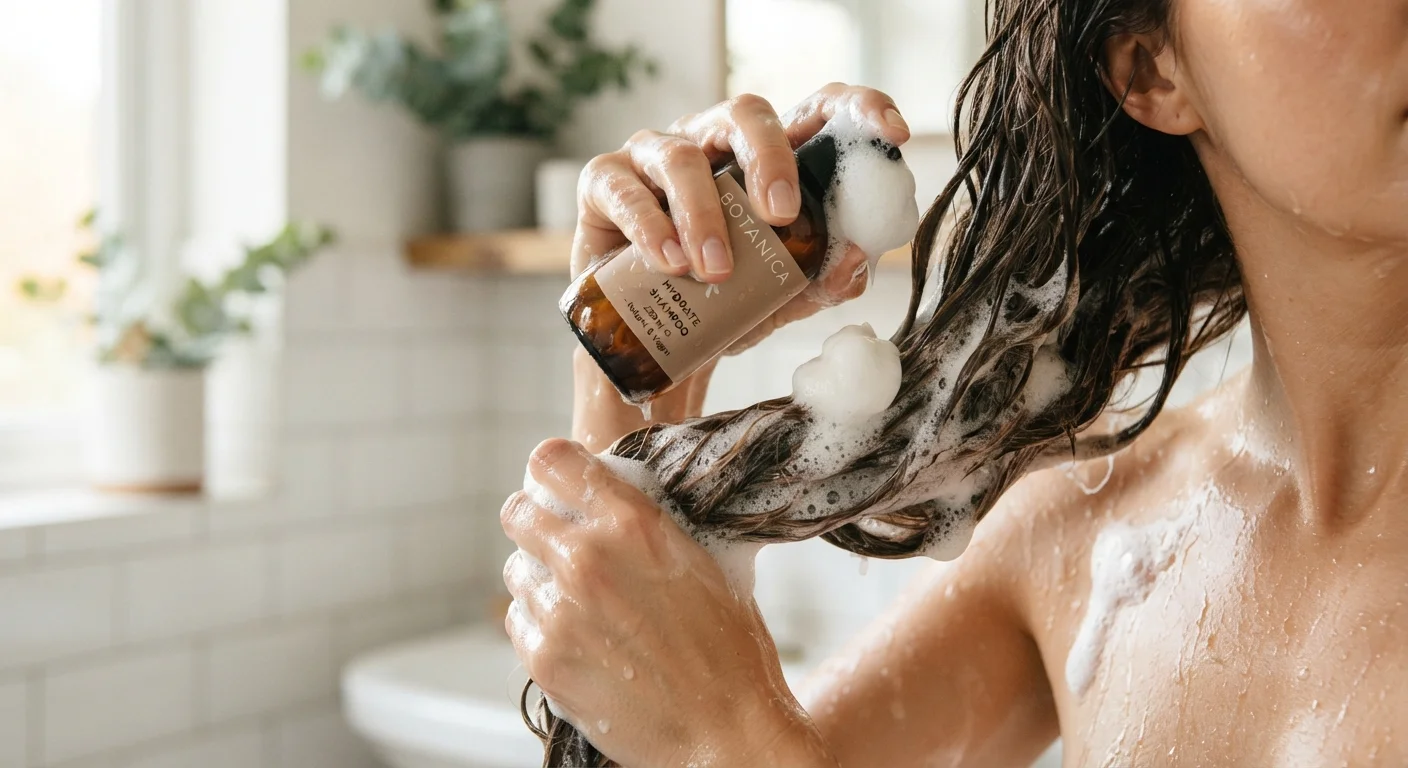
Photo: TargetReads.com | Explore Engaging Reads editorial
Key Takeaways
- Sulfates are effective cleansers that remove oil and buildup, but they can be overly stripping for some hair types.
- Sodium laureth sulfate (SLES) is gentler than sodium lauryl sulfate (SLS), though both are common in shampoos.
- Curly, color-treated, chemically processed, and dry hair types often benefit most from sulfate-free formulas.
- Fine or oily hair types often tolerate sulfate shampoos well, especially with infrequent use.
- Sulfate-free shampoos lather less but can cleanse just as effectively with the right ingredients.
How Sulfates Actually Work
Think of sulfates as tiny molecular magnets. One end of a sulfate molecule is attracted to oil and grease; the other end bonds with water. When you work shampoo into a lather and rinse, those molecules grab onto sebum (your scalp's natural oil), product residue, and environmental debris — then carry it all down the drain.
This surfactant action is genuinely effective. Sulfates are among the most powerful cleansing agents used in personal care products, which is why they're also found in dish soap and household cleaners. That cleaning power is exactly what makes them a double-edged ingredient in hair care: very good at their job, but not always calibrated to your scalp's specific needs.
The lather itself isn't doing the cleaning — it's simply a byproduct of how these molecules behave. Plenty of non-sulfate cleansers clean just as well with far less foam, which trips up many people who equate lather volume with effectiveness. For a deeper look at what's happening at scalp level, see our guide to scalp health basics.
90%+
Shampoos containing sulfate surfactants
Industry formulation surveys consistently show that the vast majority of conventional shampoos on the market use some form of sulfate-based surfactant as a primary cleanser.
2–4 weeks
Typical scalp adjustment period after switching formulas
Hair and skincare professionals commonly note that scalp sebum production takes several weeks to rebalance after transitioning from a high-surfactant to a low-surfactant shampoo.
1 extra step
Processing difference between SLS and SLES
SLES undergoes ethoxylation — one additional manufacturing step compared to SLS — which reduces its skin irritation potential while maintaining cleansing effectiveness.
When Sulfates Make Sense — and When to Skip Them
Sulfates aren't the villain of the haircare world. For many hair types, they're a perfectly reasonable tool. The key is matching the formula to your actual hair and scalp situation.
Hair types that generally tolerate sulfates well:
- Fine or straight hair that gets oily quickly benefits from the thorough cleanse sulfates deliver.
- Oily scalps that struggle with buildup or heaviness may find sulfate-free formulas don't cut through residue effectively.
- People who use minimal styling products and simply need a reliable daily cleanser.
Hair types that often do better without sulfates:
- Curly and coily hair relies on its natural oils to define curl pattern and maintain moisture. Sulfates can disrupt this balance significantly.
- Color-treated or chemically processed hair is more porous and vulnerable. Sulfates can accelerate color fading and increase brittleness.
- Dry or damaged hair that's already low on moisture doesn't need a cleanser that strips more away.
- Sensitive or reactive scalps may find that SLS in particular aggravates itching, flaking, or tightness.
Check the Label Before You Commit
Unsure what's behind your scalp symptoms? Understanding whether you're dealing with dandruff, dryness, or buildup can help clarify whether your shampoo formula is the culprit.
Making the Switch: What to Expect
If you decide to try a sulfate-free shampoo, give it a genuine adjustment period — usually two to four weeks. Your scalp may have been producing extra oil to compensate for what sulfates were stripping away, and it takes time to recalibrate.
You'll likely notice less foam. That's normal and doesn't mean the product isn't working. Apply it to a wet scalp, massage thoroughly for at least 60 seconds, and let the formula do its job. If your hair feels waxy after switching, the likely culprit is silicone buildup from previous styling products — a single clarifying wash can reset things before you commit to the new routine.
Sulfate-free formulas pair especially well with moisture-focused washing routines. If you're exploring co-washing or leave-in treatments, a gentle sulfate-free shampoo fits naturally into that kind of regimen. And if you rely on natural oils to seal in hydration, knowing which oils suit your hair type will help you get the most from a milder cleansing routine.
This article is for general informational purposes only and is not a substitute for personalized advice from a licensed dermatologist or trichologist.
Frequently Asked Questions
The content on this site is for informational purposes only and is not a substitute for professional advice. Always consult a qualified professional for guidance specific to your situation.