
Scalp Health 101: The Foundation Most People Skip in Their Hair Care Routine

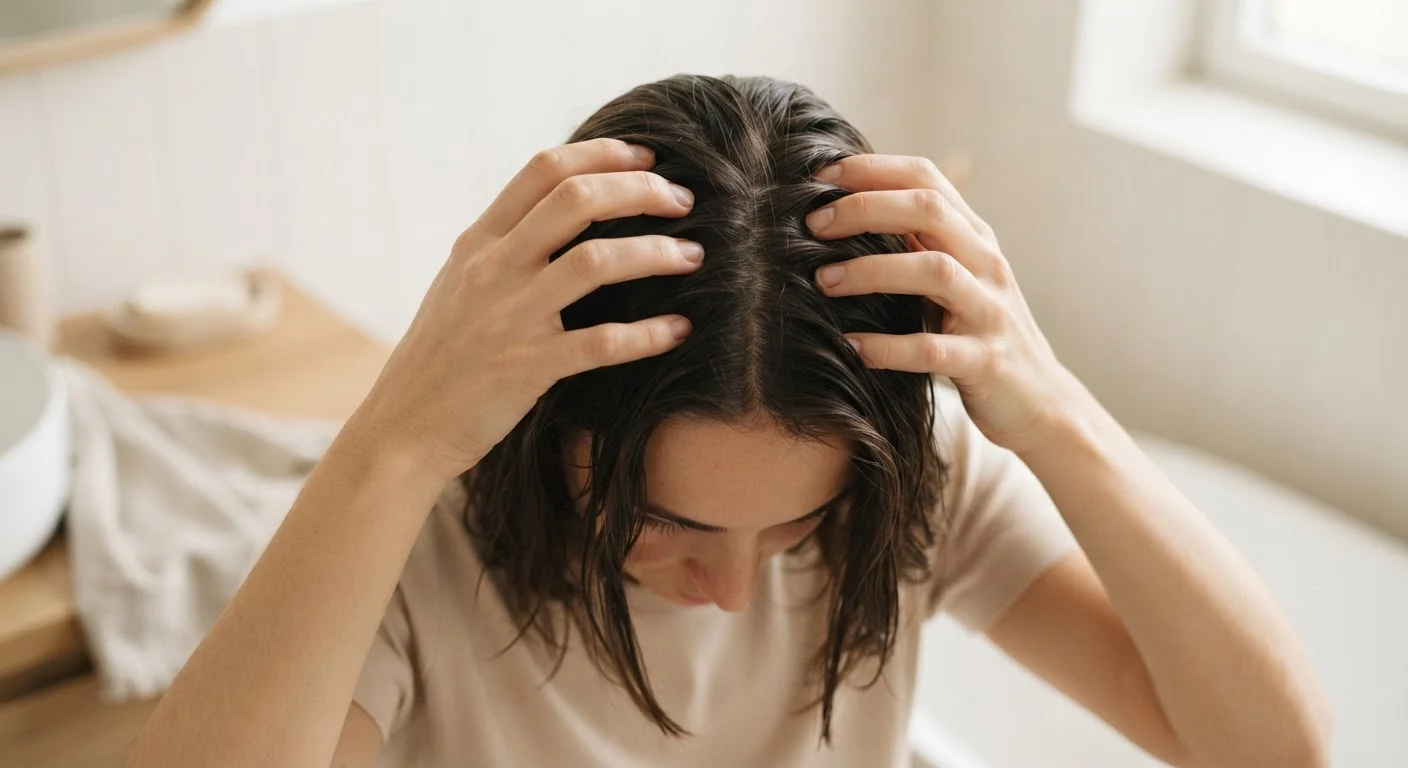
Photo: TargetReads.com | Explore Engaging Reads editorial
Key Takeaways
- The scalp is skin — it needs cleansing, moisture balance, and protection just like your face.
- Overwashing and underwashing are both common scalp problems with straightforward fixes.
- Buildup from products and hard water can disrupt scalp health even when you wash regularly.
- Most people can maintain a healthy scalp with a consistent, minimal routine.
- Persistent itching, flaking, or hair thinning warrants a visit to a dermatologist.
Why the Scalp Matters More Than You Think
Most hair care conversations start with the strands — the shine, the frizz, the breakage. But healthy hair actually starts about half an inch above all of that, at the scalp. Think of it this way: the scalp is skin, and like any skin, it needs to be clean, balanced, and not constantly stressed.
Each hair strand grows from a follicle embedded in the scalp. When the environment around those follicles is congested with product buildup, excess oil, or inflammation, the follicle's ability to function well is compromised. You might not notice immediately, but over time it can contribute to dull hair, slower growth cycles, or increased shedding.
The good news? Scalp care doesn't require a complicated new routine. It's more about understanding what your scalp actually needs — and adjusting a few habits accordingly. For a broader look at how this fits into an overall grooming approach, see our streamlined grooming guide.
Sebum
The natural oil your scalp produces to moisturize and protect both the scalp skin and the hair shaft. Too much or too little can cause imbalance.
Hair follicle
A small pocket in the scalp from which each individual hair strand grows. Follicle health directly influences hair growth and thickness.
Product buildup
The accumulation of residue from shampoos, conditioners, dry shampoos, and styling products on the scalp that isn't fully removed with regular washing.
Seborrheic dermatitis
A common skin condition that causes scaly patches, redness, and stubborn dandruff on the scalp. It's linked to yeast overgrowth and typically managed with medicated shampoos.
Scalp exfoliation
The process of removing dead skin cells and buildup from the scalp surface, either through a physical scrub or a chemical ingredient like salicylic acid.
Common Scalp Issues and What Causes Them
Before you can care for your scalp, it helps to know what's going on up there. Here are the most common issues and what typically drives them:
- Excess oiliness: The scalp produces sebum (natural oil) to protect skin and hair. Overwashing can actually trigger the scalp to overproduce oil as a compensatory response.
- Dryness and flaking: Dry scalp produces small, white flakes and often feels tight or itchy. It's frequently caused by harsh cleansers, cold weather, or not rinsing shampoo out fully.
- Dandruff: Unlike dry scalp, dandruff involves larger, oilier flakes and is linked to an overgrowth of a naturally occurring fungus called Malassezia. It responds well to specific antifungal shampoo ingredients.
- Product buildup: Heavy conditioners, dry shampoos, and styling products can accumulate on the scalp over time, creating a layer that traps bacteria and blocks follicles.
- Scalp sensitivity or irritation: Certain ingredients — including some fragrances and preservatives — can cause contact dermatitis or general irritation in sensitive individuals.
Understanding which issue you're dealing with is the first step. Many people treat dryness the same way they'd treat oiliness and end up making things worse. If you're exploring ingredient labels, our article on sulfates in shampoo is a useful companion read.
Don't Treat Dandruff Like Dry Scalp
How to Build a Simple Scalp Care Routine
A scalp-focused routine doesn't need to be elaborate. Here's what actually matters:
- Cleanse consistently: Wash your scalp — not just your hair — with a shampoo suited to your scalp type. Use your fingertips (not nails) to gently work the product into the scalp in small circular motions. Rinse thoroughly.
- Don't skip the rinse: Leftover shampoo or conditioner is a leading cause of buildup and irritation. Spend at least 30 extra seconds making sure everything is fully rinsed out.
- Exfoliate occasionally: A gentle scalp scrub or a shampoo with salicylic acid once a week can help clear dead skin and product residue. This is especially useful for those who use a lot of dry shampoo or styling products.
- Condition the lengths, not the roots: Unless your scalp is very dry, conditioner should stay on the mid-lengths and ends. Applying it to the scalp adds unnecessary oil and can contribute to buildup.
- Give scalp massages a try: A two-to-three minute massage while shampooing can feel great and may support blood circulation to the follicles. There's no downside to this habit.
The Two-Minute Scalp Check
Habits That Quietly Hurt Your Scalp
Sometimes the culprit isn't what you're doing — it's what you're doing too much of, or too often.
- Overusing dry shampoo: Dry shampoo is a convenient time-saver, but relying on it for days at a time allows oil and residue to accumulate at the root. Use it strategically and follow up with a proper wash.
- Very hot water: Hot showers feel good, but water that's too hot can strip the scalp's natural oils and lead to dryness and irritation. Lukewarm water is gentler on both scalp and strands.
- Tight hairstyles worn daily: Constant tension from tight ponytails, braids, or extensions can stress follicles over time — a pattern sometimes called traction-related stress. Vary your styles when possible.
- Skipping sun protection: The scalp can get sunburned, especially along the part line. A light SPF hair mist or a hat goes a long way on sunny days.
For anyone who uses heat tools regularly, scalp protection is also relevant — excessive heat near the root can affect follicle health. Our guide to heat styling without the damage covers this in practical detail.
Hard Water Can Affect Your Scalp Too
When to See a Professional
Most scalp concerns respond well to routine adjustments. But there are situations where a dermatologist's input is genuinely the right move.
Consider booking an appointment if you're experiencing:
- Persistent flaking that doesn't improve with over-the-counter dandruff shampoo
- Noticeable hair thinning or increased shedding over several weeks
- Painful, inflamed, or crusted patches on the scalp
- Scalp that itches intensely despite a gentle, consistent routine
A dermatologist can distinguish between conditions like seborrheic dermatitis, psoriasis, fungal infections, and androgenetic alopecia — all of which look somewhat similar at a glance but respond to different treatments. Trying to self-diagnose from online photos is unreliable and can lead to using the wrong products for months.
Scalp health also connects to general wellness — stress, nutrition, hormonal changes, and certain medications can all affect how the scalp behaves. That's worth a mention to your doctor if other lifestyle factors have shifted recently. You can also explore more about everyday physical health habits at our Physical Health hub.
The takeaway: don't wait until a problem is severe. Catching scalp issues early makes them easier to address — and keeps your hair in a much better position to thrive.
This article is for general informational purposes only and is not a substitute for professional medical or dermatological advice. If you have concerns about your scalp or hair health, consult a qualified healthcare provider.
Frequently Asked Questions
The content on this site is for informational purposes only and is not a substitute for professional advice. Always consult a qualified professional for guidance specific to your situation.