
Washing Your Hair Every Day: What Science Says About the Habit

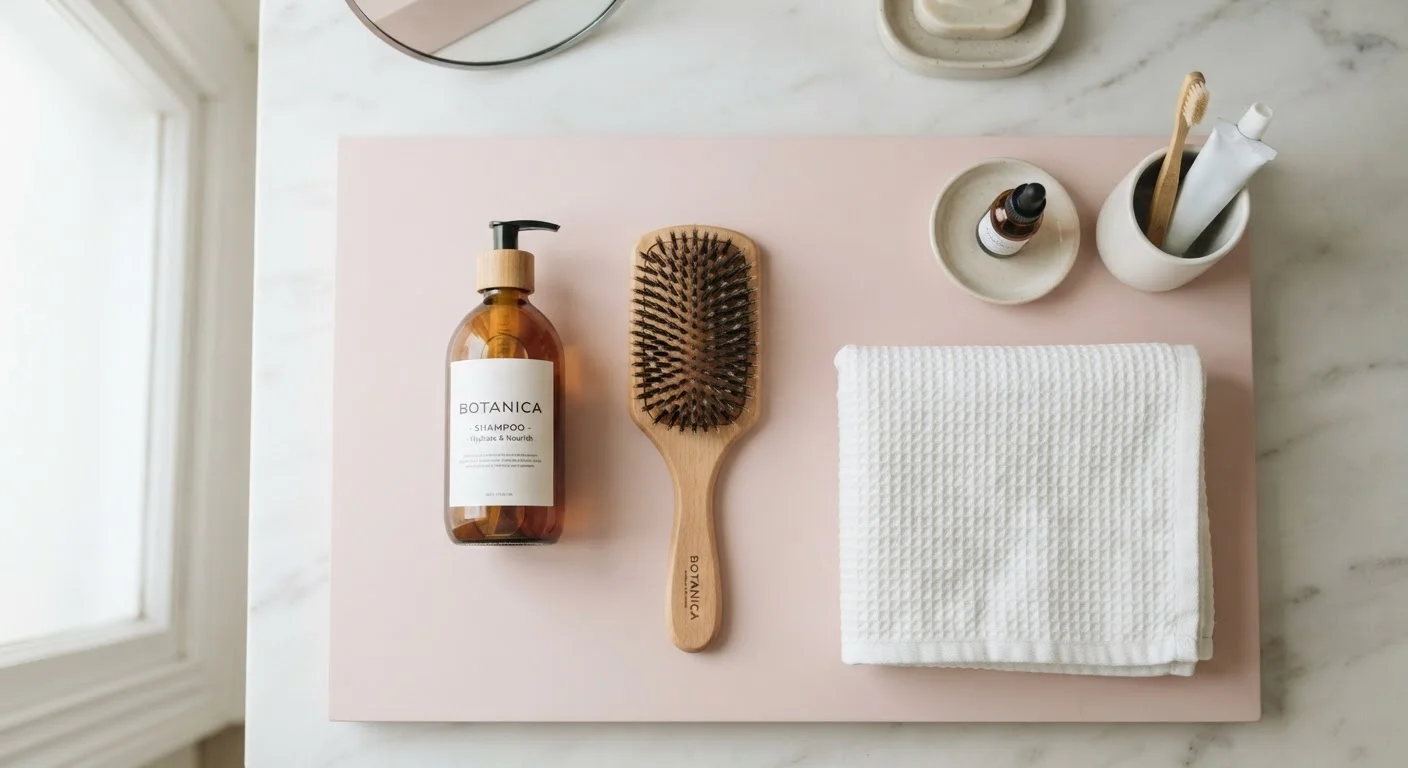
Photo: TargetReads.com | Explore Engaging Reads editorial
Key Takeaways
- Daily washing is not inherently damaging — hair type and scalp condition determine the right frequency.
- Sebum production varies widely between individuals, making a one-size-fits-all shampoo schedule unrealistic.
- Coarse, curly, or chemically treated hair generally benefits from less frequent washing to retain moisture.
- Scalp health is the real priority — over-washing and under-washing can both cause imbalance.
- Gentle, sulfate-free formulas can make frequent cleansing more manageable for sensitive scalps.
The Daily Shampoo Debate, Unpacked
Ask ten people how often you should wash your hair and you'll get ten different answers. Some swear by daily lathering; others treat shampoo like a once-a-week event. The truth sits firmly in the middle — and it's a lot more personal than any universal rule can capture.
The central question isn't really about the calendar. It's about your scalp. The scalp produces sebum, a natural oil that lubricates hair and protects skin. How quickly sebum accumulates varies with genetics, hormones, activity level, and even climate. That variation is why your wash schedule should be personal — not borrowed from a magazine or a well-meaning friend. For a deeper look at what's happening at scalp level, our Scalp Health 101 guide covers the fundamentals most routines overlook.
Below, we take on the most persistent myths about daily washing and replace them with what the evidence actually supports.
Myth
Washing your hair every day will make it fall out faster.
Fact
Daily shampooing does not cause hair loss. Shedding during washing is part of the normal hair cycle.
It's common to see loose hairs in the shower and blame the shampoo, but those strands were already at the end of their growth cycle. The average person naturally sheds between 50 and 100 hairs per day according to the American Academy of Dermatology. Washing simply collects hairs that were already detached. Actual hair loss — where follicles stop producing new strands — has separate causes, including genetics, hormonal changes, and nutritional deficiencies. For a clear breakdown of the difference, see our article on hair shedding vs. hair loss.
Myth
If you stop washing daily, your scalp will eventually 'regulate' itself and stop overproducing oil.
Fact
Sebum production is largely governed by genetics and hormones, not washing frequency alone.
The idea that skipping washes trains your scalp to produce less oil is widely circulated but not well supported by dermatological research. Sebaceous glands respond primarily to internal signals — particularly androgen hormones — rather than how often you shampoo. Some people notice their scalp seems less oily after extending wash intervals, but this is often about adaptation to the feeling of oil rather than a measurable reduction in sebum output. If an oily scalp is a persistent concern, a dermatologist is the right resource.
Myth
Daily shampooing strips all the natural oils your hair needs to stay healthy.
Fact
A mild, appropriately formulated shampoo used daily is unlikely to cause lasting damage for those with oily or fine hair.
Whether daily washing is drying depends heavily on the formula you use and your hair type. Aggressive sulfate-heavy shampoos can be drying with frequent use, particularly for dry, curly, or chemically treated hair. But gentle, low-sulfate, or sulfate-free formulas are designed for regular use and are far less likely to cause stripping. For people with fine, straight, or oily hair, daily cleansing with a gentle shampoo is often entirely appropriate and keeps the scalp comfortable.
Myth
Curly or textured hair should never be washed more than once a week.
Fact
Wash frequency for curly hair depends on the individual's scalp and lifestyle — some may need more or less than once a week.
The advice to wash curly hair rarely stems from a real concern: coils and kinks can be drier because sebum travels the curved shaft slowly. Over-washing can worsen dryness for some curl patterns. However, a blanket once-a-week rule ignores real variation. Someone with a naturally oily scalp and loose waves needs a different routine than someone with a dry scalp and tight coils. Scalp health — not a fixed number — should guide the decision. Our scalp health primer can help you identify what your own scalp is telling you.
Myth
Dry shampoo is a safe, indefinite substitute for washing.
Fact
Dry shampoo absorbs surface oil but does not cleanse the scalp, and heavy reliance on it can contribute to buildup and irritation.
Dry shampoo is a useful tool for extending time between washes, but it works by coating hair with starch or alcohol to absorb oil — it does not remove product residue, sweat, or environmental debris. Using it repeatedly without washing can lead to product buildup on the scalp, which may contribute to clogged follicles or irritation over time. Think of it as a bridge, not a replacement. If you notice persistent flaking after using dry shampoo regularly, our guide on reading scalp flakes can help identify the cause.
What Actually Matters for Your Wash Schedule
Once you move past the myths, a clearer picture emerges: your ideal shampoo frequency is determined by a handful of concrete factors.
50–100
Hairs shed naturally per day
The American Academy of Dermatology notes this range as normal daily shedding, unrelated to how often hair is washed.
~65%
Americans who wash hair daily or near-daily
Survey data from consumer research groups consistently shows daily or near-daily washing is the most common habit among U.S. adults.
- Hair texture and porosity: Fine, straight hair tends to look greasy faster because sebum travels the shaft quickly. Coarse or tightly coiled hair has more bends and twists that slow oil migration, so it can — and often should — go longer between washes.
- Scalp condition: An oily or acne-prone scalp may genuinely benefit from more frequent cleansing. A dry or sensitive scalp, on the other hand, can become irritated or flaky with daily washing. If you're unsure what's causing scalp flaking, our guide to dandruff, dry scalp, and product buildup can help you read the signs correctly.
- Lifestyle and environment: If you exercise daily, work outdoors, or live in a humid, high-pollution area, more frequent washing can be genuinely justified — not just a preference.
- Chemical or heat processing: Color-treated, bleached, or heat-styled hair is more porous and loses moisture faster. Frequent washing tends to accelerate color fade and dryness in these cases.
Formula choice matters too. Harsh sulfates strip oil efficiently — great for oily scalps, potentially drying for everyone else. Our related article on sulfates in shampoo explains when they're useful and when a gentler option makes more sense.
Don't Ignore Persistent Scalp Symptoms
The bottom line: let your scalp — not a social script — be your guide. If your hair looks and feels clean, your scalp isn't itchy or tight, and your hair isn't unusually dry or brittle, your current frequency is probably working. Adjust when those signals change.
This article is for general informational purposes only and is not medical or dermatological advice. If you're experiencing persistent scalp concerns, consult a licensed dermatologist or healthcare provider.
The content on this site is for informational purposes only and is not a substitute for professional advice. Always consult a qualified professional for guidance specific to your situation.