
Why Your Ends Keep Breaking — and How to Stop It

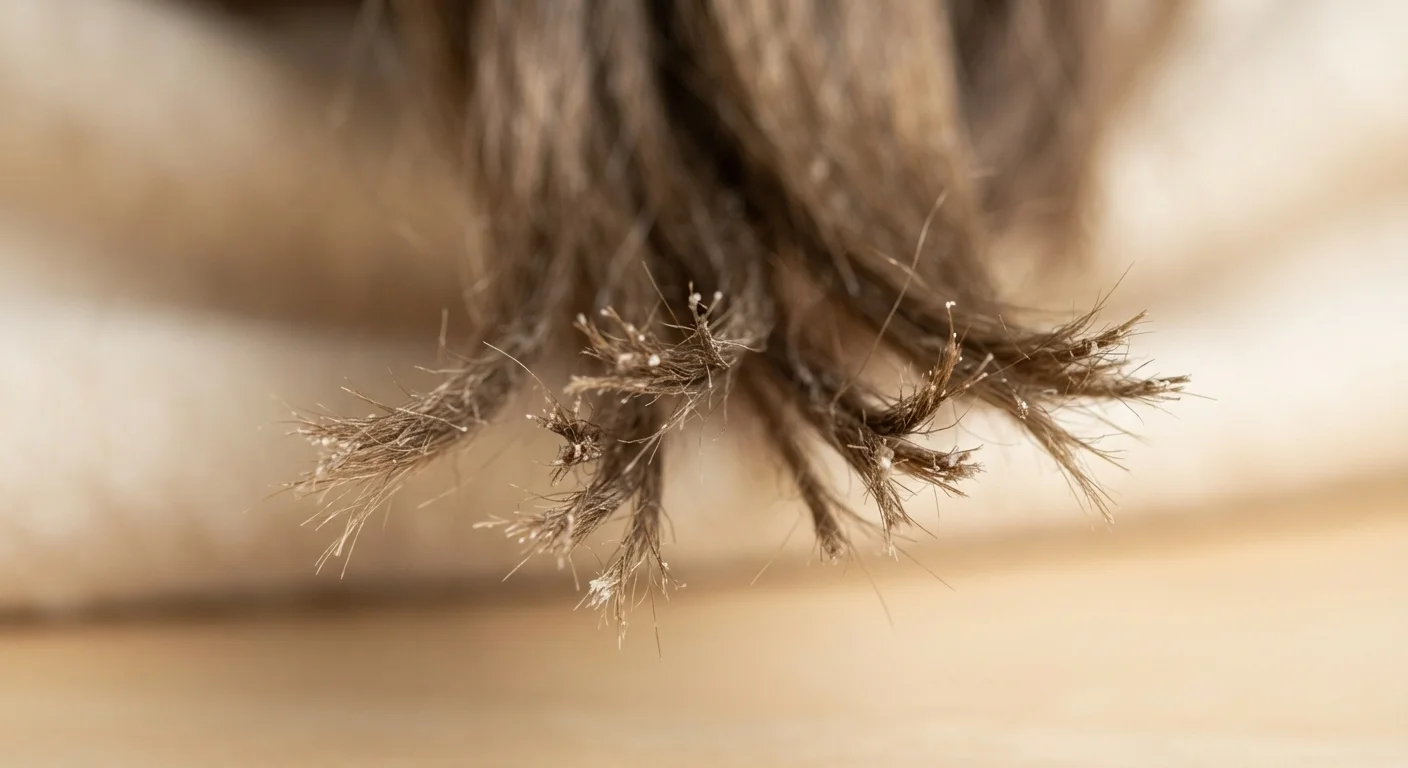
Photo: TargetReads.com | Explore Engaging Reads editorial
Key Takeaways
- Most end breakage comes from accumulated mechanical damage, not simply dryness or genetics.
- Everyday habits like rough towel-drying and skipping protective products are common culprits.
- Small, consistent changes to your routine can significantly reduce breakage over time.
- Heat tools used without protection accelerate cuticle damage at the most vulnerable parts of each strand.
Why the Tips Are Always the First to Go
The ends of your hair are the oldest part of each strand — sometimes years old. They've been through every wash, blow-dry, styling session, and environmental stressor since that hair first grew. By the time a strand reaches tip length, the protective outer layer (the cuticle) has taken serious wear. That wear is cumulative, which means the habits you repeat daily matter far more than any single event.
Understanding that breakage is usually a pattern — not a one-time incident — is the first step toward actually fixing it. The mistakes below are the most common ones that quietly chip away at your ends over weeks and months.
Skipping heat protectant before styling — even for a "quick" pass.
Rubbing hair aggressively with a terry cloth towel after washing.
Brushing from root to tip, especially when hair is wet or tangled.
Going too long between trims while trying to grow length.
Overloading ends with heavy products that attract buildup without providing real moisture.
Building a Routine That Actually Protects Your Ends
Most end-damage solutions aren't dramatic overhauls — they're small habit corrections done consistently. Start by auditing how you handle wet hair, since that's when strands are most elastic and prone to snapping. A wide-tooth comb used gently from ends upward, not root downward, immediately reduces mechanical stress.
50–100
Hairs shed per day considered normal
According to the American Academy of Dermatology, losing up to 100 hairs daily is within the normal range for most adults — but breakage mid-strand adds to that count unnecessarily.
450°F+
Temperature some flat irons can reach
Many consumer flat irons and curling tools exceed temperatures that begin degrading the hair's keratin structure, particularly at the fragile, older ends of each strand.
Protective styling — loose braids, low buns, or simply keeping ends tucked — also helps on high-friction days. If you use heat tools regularly, building in a protective step every single time (not just when you remember) is the single highest-impact change most people can make. See our practical guide to heat styling without damage for a full breakdown of how to protect your hair without giving up your routine.
Tight Hairstyles Can Stress Ends Too
It's also worth remembering that end health is connected to overall hair health. If you notice changes in texture or density alongside breakage, hair changes over time can provide helpful context. For persistent or sudden breakage, a dermatologist or trichologist can rule out underlying causes.
This article is for general informational purposes only and is not a substitute for professional medical or dermatological advice. If you have concerns about hair loss or scalp health, consult a qualified healthcare provider.
The content on this site is for informational purposes only and is not a substitute for professional advice. Always consult a qualified professional for guidance specific to your situation.