
Everything That Happens to Your Hair as You Age — and What's Normal

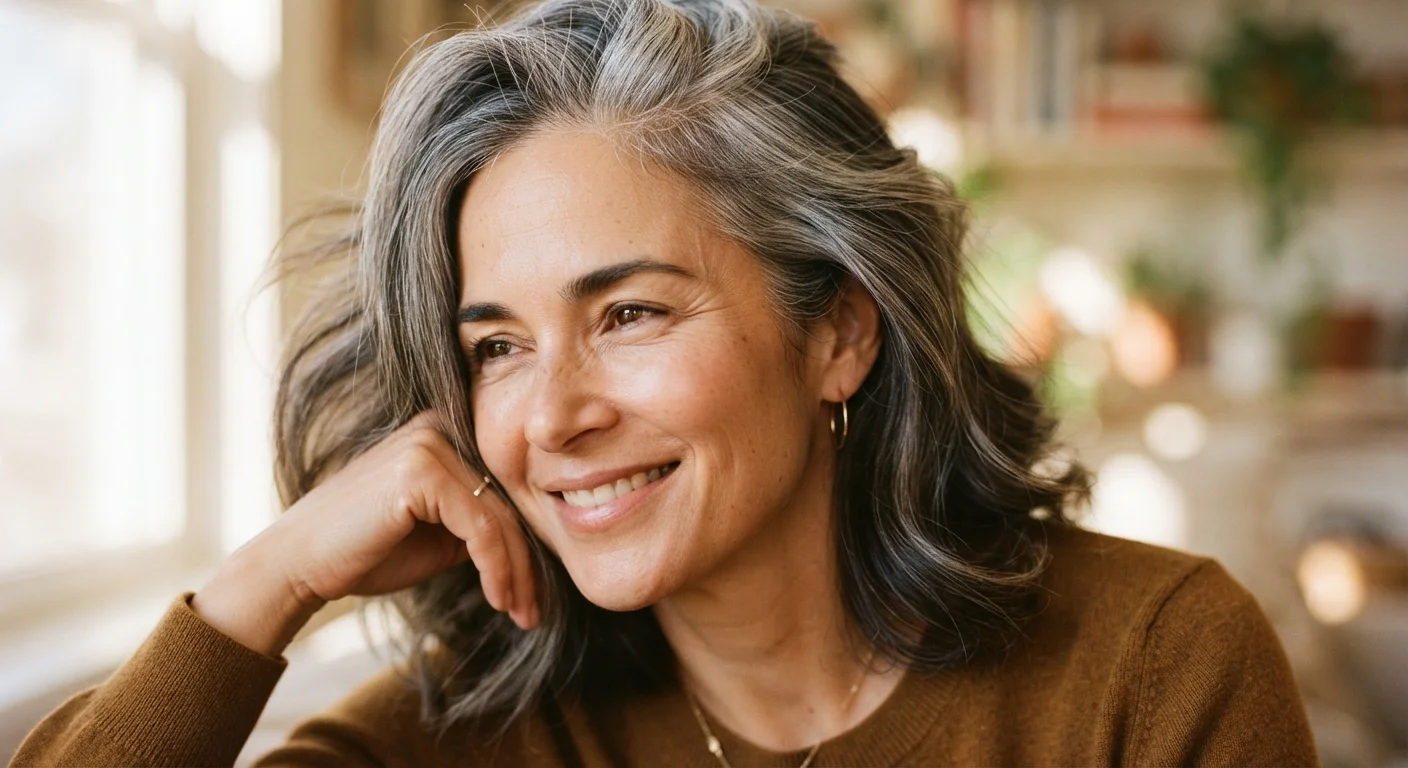
Photo: TargetReads.com | Explore Engaging Reads editorial
Key Takeaways
- Hair greying is driven by genetics and the gradual loss of melanin-producing cells called melanocytes.
- Texture tends to become coarser or finer with age due to hormonal changes and shifts in follicle shape.
- Losing 50–100 strands per day is generally considered normal shedding at any age.
- The scalp produces less sebum over time, which can lead to dryness and increased sensitivity.
- Most age-related hair changes are cosmetic; sudden or patchy loss warrants a conversation with a dermatologist.
- Adapting your routine — not fighting every change — is the most practical, effective approach.
Why Hair Changes Are Inevitable
Hair is a living structure rooted in follicles embedded in your scalp, and like every other part of your body, those follicles respond to the hormonal, nutritional, and cellular shifts that accumulate over a lifetime. Understanding that hair change is biological — not a failure of your routine — is the most useful starting point.
Each follicle cycles through growth (anagen), transition (catagen), and rest (telogen) phases. As you age, the anagen phase tends to shorten, which means individual strands grow for less time before shedding. The result over years: hair that may appear thinner or grow more slowly, even when the follicles themselves are healthy.
Genetics play a significant role in how and when these changes unfold. If you're curious about how style can complement evolving hair, our piece on dressing confidently at every age is a useful companion read.
The Greying Process: What Actually Causes It
Grey or white hair results from a decline in melanocytes — the pigment-producing cells inside each follicle. When these cells slow production or stop entirely, new strands grow in without pigment. This process typically begins in a person's 30s for many people of European descent, and later for others, though the timing is largely inherited.
Stress is often cited as a cause of premature greying. Research does suggest that oxidative stress may accelerate melanocyte decline, but the relationship is complex and not fully established as a direct cause-and-effect for most people. Smoking has a clearer evidence base as a factor in earlier onset greying.
If your grey strands feel wiry or resistant to styling, try a moisturizing conditioner with a slightly acidic pH — it can help smooth the cuticle and make the hair behave more predictably.
When overall hair volume is the concern, focus on scalp health first — a clean, well-circulated scalp creates the best environment for the follicles you have to function optimally.
Grey strands have a different structure than pigmented ones — they tend to be more porous and wiry, which affects how they absorb moisture and styling products. If you'd like to understand why that matters for your haircare approach, our guide on hair porosity and how it affects your routine breaks it down clearly.
Texture and Porosity Shifts Over Time
Many people are surprised to find their once-straight hair developing a wave, or their curly hair loosening considerably. Follicle shape determines curl pattern, and that shape can change with hormonal fluctuations — particularly around menopause or andropause — as well as with normal ageing of the scalp tissue surrounding each follicle.
Hair strands themselves may become finer in diameter over time, especially after midlife. Paradoxically, individual strands can also feel coarser or wirier — particularly grey hairs — because the cuticle layer (the outermost protective layer of each strand) lifts more easily, increasing porosity. Higher porosity means strands absorb moisture quickly but struggle to retain it, leading to frizz and dryness.
Avoid Over-Processing Ageing Hair
These texture changes aren't permanent damage — they reflect the strand's structure at that point in your life. Adjusting how you care for your hair matters more than trying to force it back to its previous behavior. See our guide to breakage and brittle ends for habits that help maintain integrity across all hair types.
Thinning and Shedding: Normal vs. Worth Watching
Shedding 50 to 100 hairs a day is widely accepted as normal across most of adulthood. Age-related overall thinning — where hair volume decreases gradually and symmetrically — is common, driven by the shortened growth cycle and, in many cases, hormonal changes. This is different from hair loss conditions that require medical evaluation.
Signs that are worth a conversation with a dermatologist include: sudden or rapid shedding that significantly exceeds your usual baseline, patchy or asymmetric loss, loss accompanied by scalp changes like redness or scaling, or thinning that begins before midlife without obvious cause. Our article on hair shedding versus hair loss helps clarify that distinction in detail.
50–100
Strands shed per day considered normal
Dermatologists commonly cite this as the standard daily shedding range for healthy adults of any age.
~30s
Typical age greying begins for many
The onset of greying varies significantly by genetics and ethnic background, with some individuals noticing changes earlier or later.
6 inches
Average hair growth per year
Hair growth rate typically slows slightly with age as the anagen (growth) phase of the hair cycle shortens.
This article is for general informational purposes only and is not a substitute for advice from a qualified dermatologist or healthcare professional.
Scalp Changes and Why They Matter
Your scalp is skin — and it ages the same way the rest of your skin does. Sebaceous glands produce less oil over time, which can result in a drier scalp that feels tighter, flakier, or more reactive. Blood circulation to the scalp may also decrease slightly, affecting how efficiently follicles receive nutrients.
Because a healthy scalp is the foundation for healthy hair growth, these changes are worth paying attention to. Gentle, moisturizing shampoos become more valuable than clarifying formulas as the scalp dries out. If you've been washing daily, the evidence on daily shampooing is worth reviewing — your scalp may benefit from less frequent washing as it produces less natural oil.
When to See a Dermatologist
Adjusting Your Routine as Hair Evolves
The most practical approach to ageing hair is working with it rather than against it. That means updating your routine to reflect what your hair actually needs now, rather than what worked a decade ago.
Some adjustments worth considering as hair changes with age:
- Switch to gentler cleansers — sulfate-free or low-lather formulas can support a drier scalp without stripping what little sebum remains.
- Add moisture-focused conditioning — leave-in conditioners and lightweight oils can help higher-porosity strands retain hydration.
- Be thoughtful with heat — ageing strands have less structural resilience. Our practical guide to heat styling without damage outlines a sensible framework for everyday use.
- Reassess your cut and style — working with your hair's current texture often produces better results than fighting it. A stylist experienced with mature hair can offer personalised guidance.
Hair that changes over time is hair that's healthy and alive. The goal isn't to freeze it in one era — it's to understand what it needs right now and give it that.
The content on this site is for informational purposes only and is not a substitute for professional advice. Always consult a qualified professional for guidance specific to your situation.