Streaming App Libraries Are Not the Same: How Licensing Shapes What You Can Watch
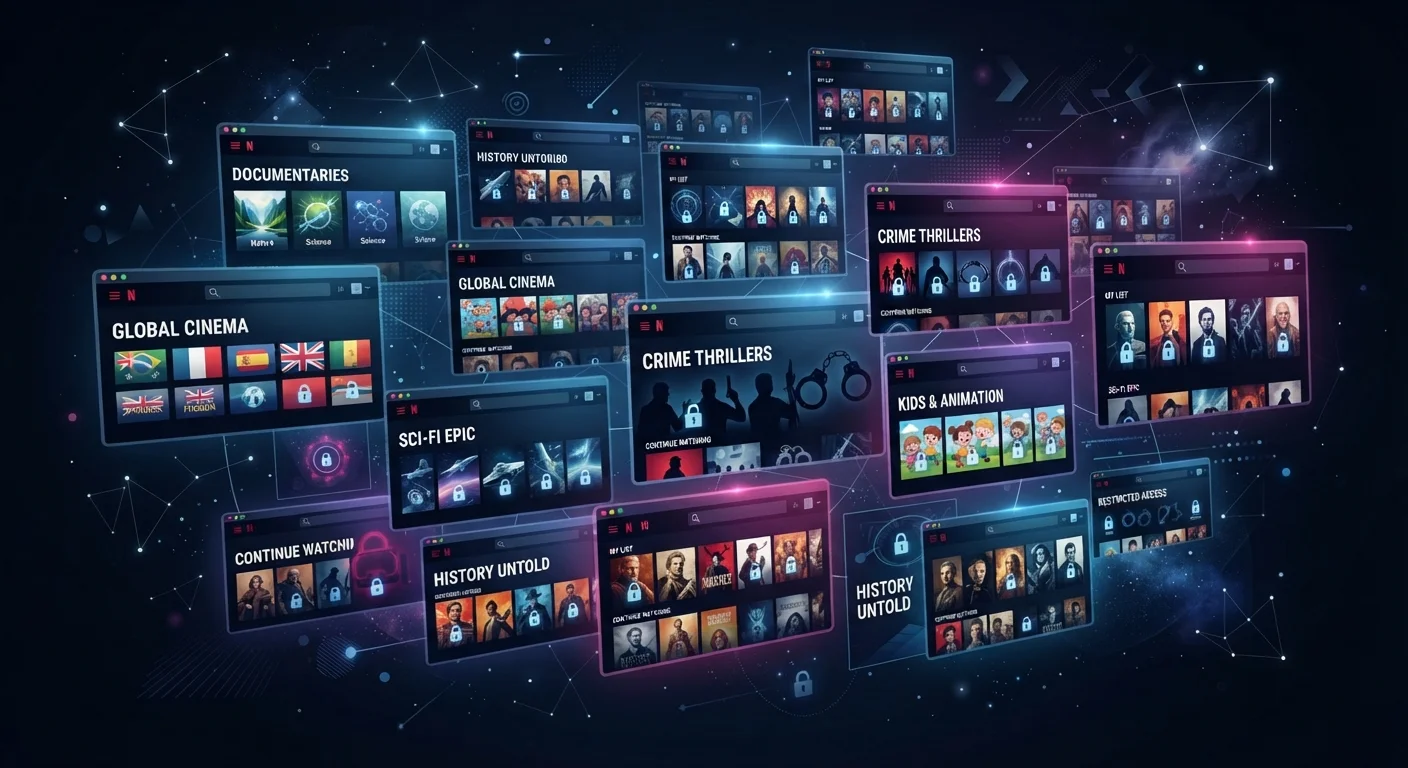
Photo: TargetReads.com | Explore Engaging Reads editorial
Key Takeaways
- Streaming libraries are built on time-limited licensing deals, not permanent ownership of content.
- The same show can legally exist on multiple platforms or be locked exclusively to just one.
- Geographic restrictions mean your library can look different depending on where you are in the world.
- When a show disappears from a service, it's usually because a license expired, not a technical glitch.
- Services that produce their own originals own those rights outright, which is why originals rarely move platforms.
- Understanding licensing helps you set realistic expectations and manage your subscriptions more wisely.
The Library You See Is a Snapshot, Not a Permanent Collection
Many viewers assume that once a streaming service has a show or movie, it's there for good. In reality, every title in a streaming library exists there because of a legal contract — and every contract has an end date.
Rights holders, which include major film studios, independent production companies, and television networks, control who can show their content and under what conditions. Streaming platforms pay for the privilege of access, negotiating deals that specify the duration, the geographic territory, and whether the license is exclusive to one service or shared across several. When that contract window closes, the title leaves — sometimes overnight.
This is why building a viewing queue matters. A title that's available today may not be available in three months, regardless of how popular it is or how much viewers want it to stay. If you've noticed a show suddenly vanishing, you've experienced the downstream effect of a licensing negotiation you were never part of.
~45
Major streaming services available in the U.S.
Industry analysts tracking the streaming landscape have counted dozens of distinct subscription video services competing for American viewers, each with its own licensing portfolio.
Billions
Spent annually on content licensing and originals
Major streaming platforms collectively spend billions of dollars each year acquiring and producing content, according to publicly reported earnings and financial filings from leading companies.
Variable
Duration of typical streaming licensing deals
Licensing agreements commonly run one to three years, after which rights must be renegotiated — meaning library composition can shift significantly within a short period.
Exclusive vs. Non-Exclusive Deals: What the Difference Means for Viewers
Not all licensing deals are structured the same way. An exclusive license means only one platform may stream that content during the agreement's term. An exclusive deal is a deliberate competitive tool — the platform is betting that viewers will subscribe specifically to watch content unavailable anywhere else.
A non-exclusive license lets the rights holder sell streaming access to multiple services simultaneously. That's why some titles appear on two or even three platforms at once. The rights holder earns more revenue, while no single platform holds a lock on the content.
For viewers, exclusive deals create the "you have to subscribe to see it" dynamic that has driven the growth of so many competing services. Non-exclusive arrangements are generally more viewer-friendly but are less common for high-value titles, since exclusivity is often worth more money to the platform bidding for it.
“Content licensing is the invisible architecture of the streaming economy. Viewers see a library; what's actually underneath is a constantly renegotiated web of contracts between studios, distributors, and platforms.”
— Michael Nathanson, Senior media analyst and partner at MoffettNathanson, a media and technology research firm
Originals Are Different — And That's Intentional
Streaming originals operate under a fundamentally different model. When a platform funds, develops, and produces a show entirely in-house, it owns the intellectual property outright — there's no separate rights holder to negotiate with, and no expiration date on its ability to stream the content.
This is a deliberate strategy. By creating owned content, a service builds a library that cannot be poached by competitors and cannot disappear when a deal expires. That's why originals are heavily promoted: they represent the platform's most stable, durable content assets.
Occasionally, a streaming original will be licensed to another platform after its initial exclusivity period — but this is relatively rare and usually involves older titles the original platform wants to monetize further. For practical purposes, if you want to watch a streaming original, you'll almost certainly need to subscribe to the platform that made it. Our guide on what streaming devices actually do covers how these platforms deliver all of this content to your screen.
Geography Adds Another Layer of Complexity
Even within a single streaming service, the library you see depends heavily on where you are. Rights are frequently sold on a country-by-country or region-by-region basis. A studio might license a film to one streaming platform in the United States and to a different platform — or a traditional broadcaster — in Europe or Asia.
The result is that a show available to American subscribers may be completely absent from the same service's library in another country, and vice versa. This is why travelers sometimes find that their home streaming library looks noticeably different when they're abroad.
Geographic licensing also explains why virtual private networks (VPNs) are sometimes used to access content from other regions — though most streaming platforms' terms of service prohibit this practice, and enforcement varies. Understanding this layer helps set realistic expectations about what any single subscription can actually deliver.
Check Before You Subscribe for One Show
Practical Implications: Managing Your Subscriptions Around Licensing Realities
Once you understand that streaming libraries are fluid rather than fixed, a few practical habits become useful. First, don't assume a title will be available indefinitely — if something is on your watchlist, prioritize watching it sooner rather than later. Many services and third-party sites track upcoming removals, which can help you plan ahead.
Second, recognize that subscribing to multiple services is often the only way to access the full range of content you want — but that can add up quickly. It's worth periodically reviewing which subscriptions you're actively using and which are sitting idle. Our checklist on auditing forgotten subscriptions can help surface recurring charges you may have overlooked.
Finally, if a specific title matters enough, it's often available for digital rental or purchase outside of any streaming subscription. That path isn't free, but it's reliable — the file you purchase won't disappear because a licensing deal expired.
If you share a streaming account with family members, also keep in mind that account-sharing policies vary widely across platforms. Our overview of sharing app accounts with family explains what's officially supported and what to watch for.
Frequently Asked Questions
The content on this site is for informational purposes only and is not a substitute for professional advice. Always consult a qualified professional for guidance specific to your situation.