
What Happens During a State Vehicle Inspection

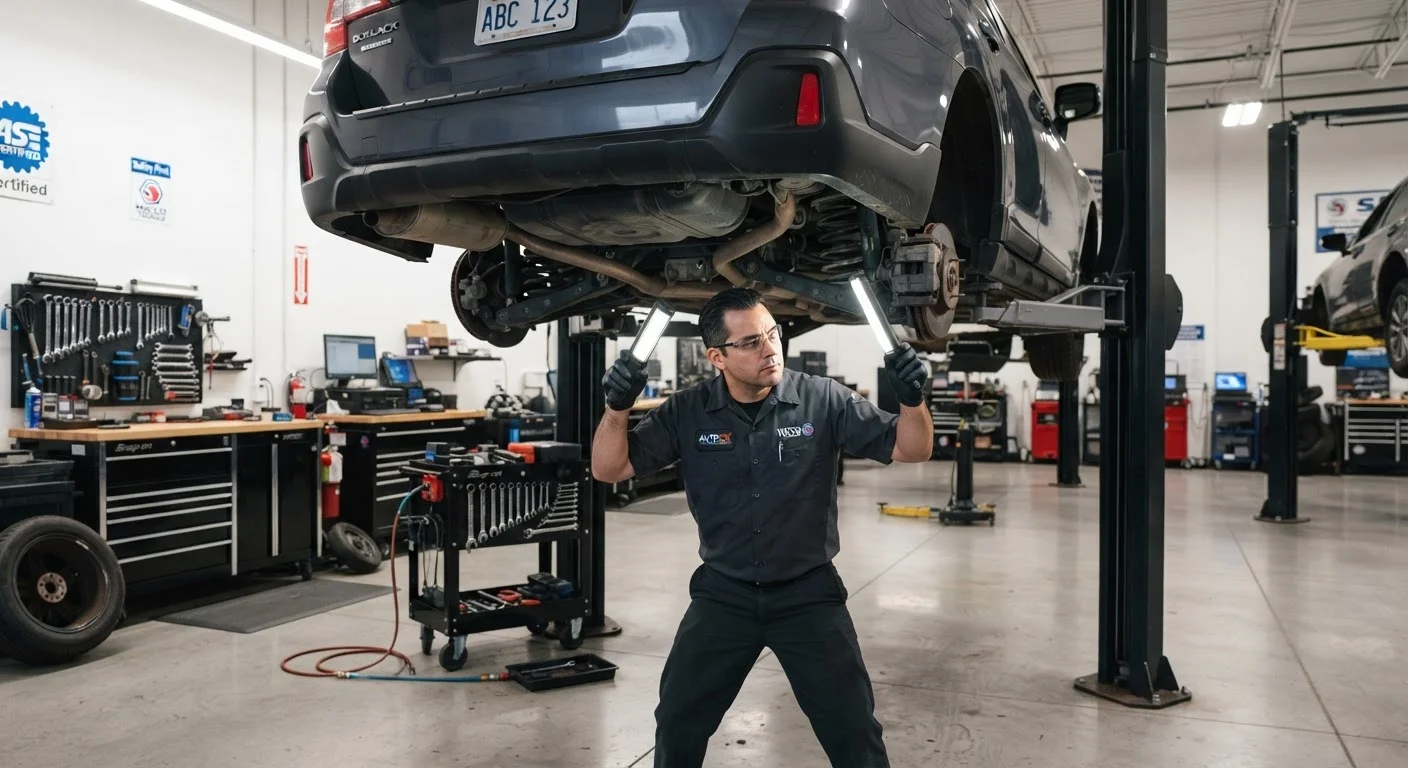
Photo: TargetReads.com | Explore Engaging Reads editorial
Key Takeaways
- State vehicle inspections vary — some states require safety checks only, others require emissions testing too.
- Common inspection points include brakes, tires, lights, steering, and windshield wipers.
- A failing inspection result typically means you have a set window to make repairs before retesting.
- Routine maintenance significantly reduces the chance of failing an inspection.
- Inspections are performed by state-licensed stations, not general mechanics without certification.
Why States Require Vehicle Inspections
Vehicle inspections exist to protect public safety. A car with worn brake pads, failed turn signals, or bald tires isn't just a risk to its driver — it's a hazard for everyone sharing the road. Emissions testing, where required, addresses a different goal: limiting the air pollution that aging or poorly maintained engines produce.
States administer their own programs, so what's required in one state may not apply in another. If you've recently moved or registered a vehicle from out of state, verifying your current state's requirements with your local Department of Motor Vehicles (DMV) is the right first step. Your auto insurance policy doesn't substitute for passing an inspection — both are separate obligations.
What Inspectors Typically Evaluate
While checklists differ by state, safety inspections commonly cover the following systems:
- Brakes: Inspectors check brake pad thickness, rotor condition, and brake fluid lines. Severely worn pads or leaking lines are common failure points.
- Tires: Tread depth is measured — most states set a minimum of 2/32 of an inch. Sidewall damage or significant uneven wear may also trigger a failure.
- Lights: Headlights, taillights, brake lights, turn signals, and hazard lights are all tested. A single burned-out bulb can fail an inspection.
- Steering and suspension: Inspectors look for excessive play in the steering wheel and check suspension components for wear or damage.
- Windshield and wipers: Cracks in the driver's line of sight and inoperable wipers are common failure causes.
- Horn: The horn must be functional and audible.
- Mirrors and windows: Mirrors must be intact and properly positioned; windows must allow adequate visibility.
If your state also requires an emissions test, the inspector will connect a diagnostic tool to your vehicle's OBD-II port (the onboard diagnostics connector typically found under the dashboard). This reads data from your car's engine management system. Older vehicles may be tested using a tailpipe probe that directly measures exhaust output.
~25
U.S. states with mandatory safety inspections
Approximately half of U.S. states require some form of periodic vehicle safety or emissions inspection, according to state DMV program data.
2/32"
Minimum tire tread depth in most states
Most state inspection programs use 2/32 of an inch as the legal minimum tire tread depth, though safety experts generally recommend replacing tires before that threshold.
30–60 min
Typical inspection duration
Most standard safety inspections are completed within 30 to 60 minutes, though emissions testing with a dynamometer may take longer.
How to Prepare Before You Go
Most vehicles that fail inspections do so for issues that regular maintenance would have caught. Before your inspection date, a quick self-check can save you time and the cost of a reinspection fee.
Check Your Check Engine Light First
- Walk around the vehicle and test every exterior light, including brake lights (a second person helps with this).
- Check wiper blades — streaking or chattering blades are often due for replacement.
- Visually inspect tires for low tread or sidewall damage. Press a quarter into the tread groove: if the top of the head is visible, the tread is likely below the minimum threshold.
- If your check engine light is on, have the fault codes read at an auto parts store or shop before going in — an illuminated check engine light typically triggers an automatic failure in states with OBD emissions testing.
For deeper guidance on keeping your vehicle in working order year-round, see long-term car maintenance habits that experienced owners rely on.
After the Inspection: Passes, Failures, and Next Steps
If your vehicle passes, you'll receive a sticker or certificate (the format varies by state) confirming compliance for the inspection period. Keep documentation in the vehicle.
If your vehicle fails, the station is required to provide a written report identifying exactly which items need attention. This report is valuable — bring it with you when getting repair estimates. Understanding what's on a repair estimate before authorizing work can protect you from unnecessary charges; our guide to reading a mechanic's estimate walks through what to look for.
Once repairs are completed, you return to a licensed inspection station for reinspection. Depending on the state, you may only need to retest the failed components rather than the full checklist. Ask the station about their reinspection policy upfront.
Inspections share a similar philosophy with other routine checkups: catching problems early is far less costly than dealing with failures after the fact. The same logic applies whether you're preparing for a long drive — see our road trip preparation checklist — or simply keeping up with annual requirements.
“A vehicle inspection is not a pass-or-fail judgment on your car's overall condition — it's a minimum safety threshold. Passing means your vehicle meets the floor, not that it has no issues worth addressing.”
— National Highway Traffic Safety Administration, U.S. federal agency overseeing motor vehicle and road safety standards
This article provides general information about vehicle inspection processes. Requirements vary by state. Always verify current rules with your state's DMV or a licensed inspection station in your area.
Frequently Asked Questions
The content on this site is for informational purposes only and is not a substitute for professional advice. Always consult a qualified professional for guidance specific to your situation.