
HMO vs. PPO: Understanding the Trade-Offs Before You Enroll

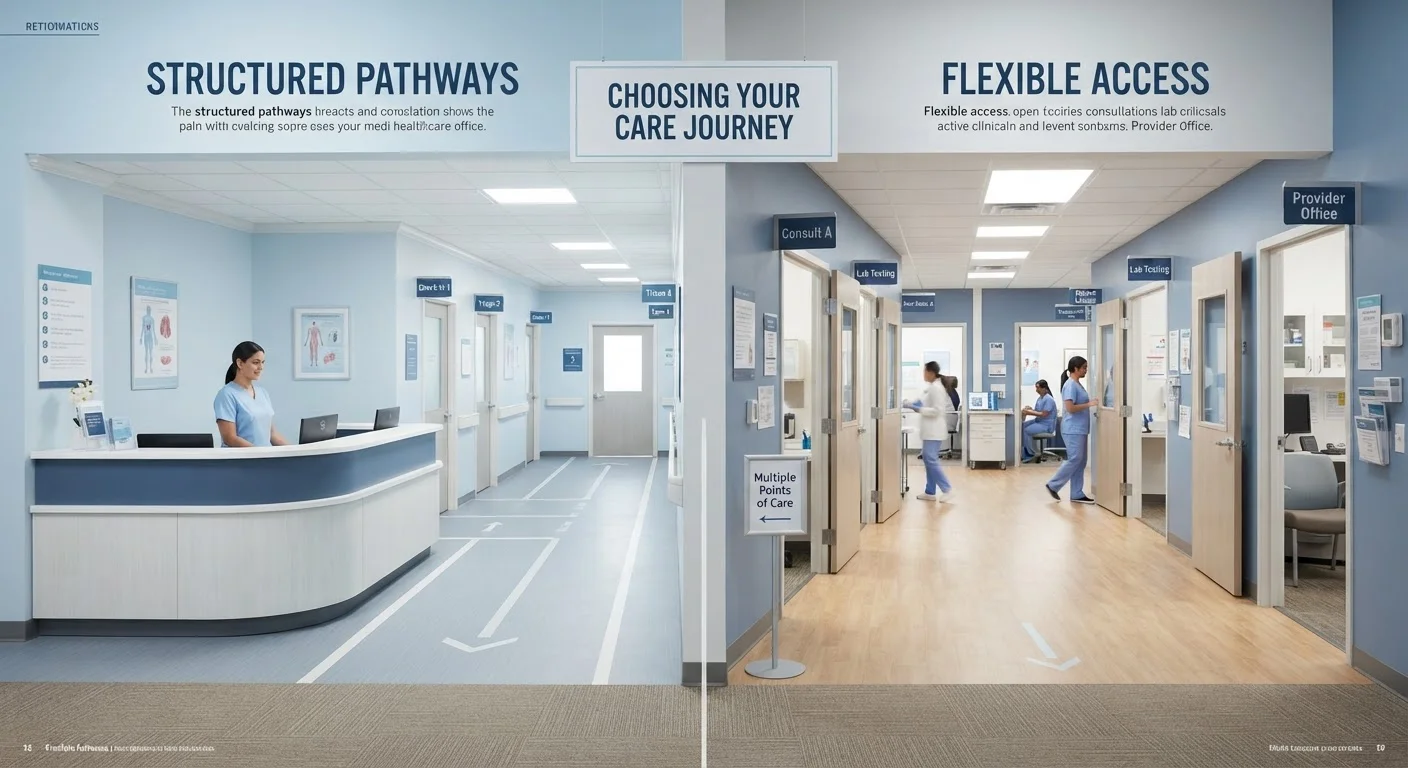
Photo: TargetReads.com | Explore Engaging Reads editorial
Key Takeaways
- HMOs require a primary care physician and referrals to see specialists; PPOs do not.
- HMO premiums and out-of-pocket costs are generally lower, but network restrictions are tighter.
- PPOs offer broader provider access, including out-of-network care, but typically at higher premiums.
- Neither plan type is universally better — the right choice depends on your health needs and finances.
- Always verify that your specific doctors are in-network before enrolling in any plan.
How Each Plan Structures Your Access to Care
HMOs and PPOs are two of the most common health insurance plan structures in the United States. They share the same basic goal — covering medical costs — but they handle how you access that care very differently. Understanding the structural difference is the starting point for making a sound enrollment decision.
An HMO builds care around a primary care physician (PCP). When you enroll, you select a PCP from the plan's network. That physician becomes your central point of contact: they handle routine care and, critically, issue referrals when you need to see a specialist. Without a referral, the HMO generally won't cover specialist visits. Care must also stay within the plan's defined provider network — with limited exceptions for genuine emergencies.
A PPO removes that gatekeeper layer. You can schedule an appointment with a specialist directly, without asking a PCP first. PPOs also maintain a preferred network of providers, but they cover out-of-network care too — just at a higher cost-sharing rate. For a fuller look at how network tiers affect what you actually owe, see what in-network and out-of-network really mean for your bills.
| Criterion | HMO | PPO |
|---|---|---|
| PCP Requirement | Required — must select a PCP | Not required |
| Specialist Referrals | Required from PCP | Not required; self-refer directly |
| Out-of-Network Coverage | Generally not covered (except emergencies) | Covered at higher cost-sharing |
| Monthly Premiums | Typically lower | Typically higher |
| Network Size | Narrower, defined network | Broader preferred network |
| Cost Predictability | High — copays tend to be fixed | Variable — depends on network use |
| Care Coordination | Centralized through PCP | Patient-directed |
The Cost Difference: Premiums, Copays, and Out-of-Pocket Exposure
The structural trade-offs between HMOs and PPOs show up directly in what you pay — both monthly and at the point of care.
HMOs tend to carry lower monthly premiums and often feature straightforward copays for office visits. Because the insurer can predict and control which providers members use, administrative costs stay lower, and those savings are typically passed on through reduced premiums. The downside is that going outside the network — except in emergencies — usually means paying the full cost yourself.
PPO premiums are generally higher, reflecting the greater flexibility the plan provides. When you use in-network PPO providers, you'll share costs similarly to an HMO. But when you go out of network, you'll face higher deductibles and coinsurance rates, and you may deal with balance billing from providers. The coverage still exists — it just costs more to use it.
~48%
Share of covered workers enrolled in PPO plans
According to the Kaiser Family Foundation's 2023 Employer Health Benefits Survey, PPOs remain the most common plan type among employer-sponsored coverage.
~13%
Share of covered workers enrolled in HMO plans
The same KFF 2023 survey found HMO enrollment at roughly 13% of employer-covered workers, reflecting their narrower but cost-efficient structure.
If you're weighing these plan types as part of a broader enrollment decision, reviewing key factors before open enrollment can help you frame the choice around your actual usage and financial situation.
This article is for general informational purposes only and does not constitute personalized insurance, financial, or legal advice. Coverage terms, costs, and network rules vary by plan and provider. Read your plan documents carefully and consult a licensed insurance agent or adviser for guidance specific to your circumstances.
Referrals, Specialists, and the Question of Convenience
One of the most practical distinctions between HMOs and PPOs is the referral requirement — and whether it fits how you actually seek care.
Under an HMO, your PCP coordinates your care journey. If you develop a knee problem and want to see an orthopedist, you first see your PCP, who assesses whether a specialist visit is warranted and issues a referral. This adds a step, but it also means your care is being actively coordinated rather than siloed. For people who want one physician tracking their overall health, this structure can work well.
Under a PPO, you can call the orthopedist directly. No prior approval from a PCP is needed. This is especially valuable if you're managing a chronic condition that requires regular specialist involvement, or if you already have established relationships with specific providers. For a broader look at how HMOs and PPOs compare alongside EPO and POS plans, see the four main plan structures explained.
Emergency Care Is Treated Differently
It's also worth checking whether your employer's plan selection affects which structure is available to you. Employer-sponsored and Marketplace plans differ in meaningful ways, including which plan types each tends to offer.
The content on this site is for informational purposes only and is not a substitute for professional advice. Always consult a qualified professional for guidance specific to your situation.