
The Real Cost of Carrying a Credit Card Balance Month to Month

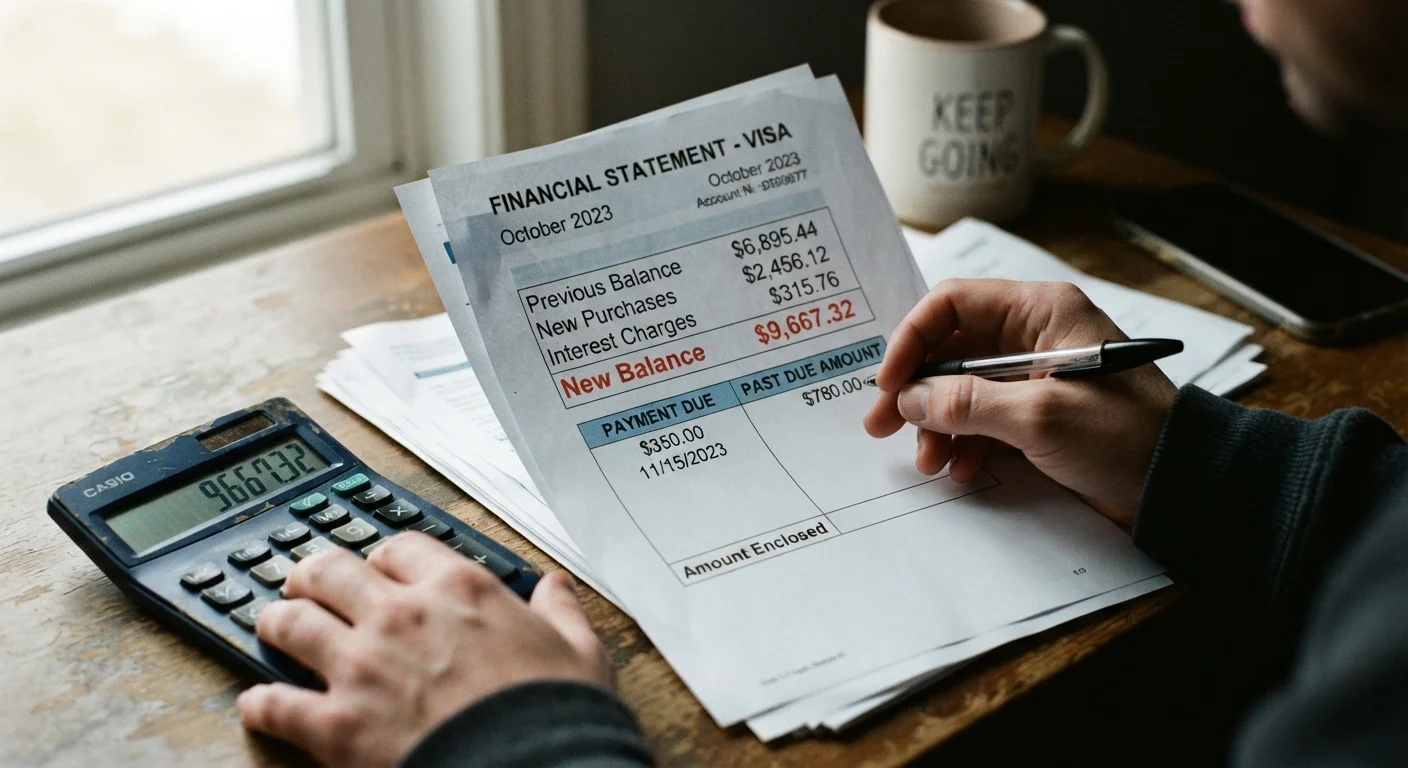
Photo: TargetReads.com | Explore Engaging Reads editorial
Key Takeaways
- Credit card interest compounds daily, meaning you pay interest on previously accrued interest.
- The average credit card APR in the U.S. has frequently exceeded 20%, making revolving balances costly.
- Minimum payments are designed to keep balances active longer, increasing the total interest you pay.
- Even a modest revolving balance can cost hundreds of dollars in interest over a year.
- Carrying a balance does not improve your credit score — it is a persistent debt myth.
- Paying more than the minimum each month is one of the most impactful steps to reduce total interest paid.
Why Interest Compounds Faster Than Most People Expect
When you pay your credit card balance in full each month, interest typically does not apply. But when you carry even a small portion of that balance forward, the interest clock starts running — and it compounds every single day.
Credit card issuers calculate what's called a Daily Periodic Rate (DPR) by dividing your card's APR by 365. That rate is applied to your average daily balance throughout the billing cycle. The resulting interest then becomes part of your balance, and the following day's calculation includes yesterday's interest. This is the nature of compound interest working against you.
For a concrete sense of scale: a $2,500 balance on a card with a 22% APR accumulates roughly $45 in interest in a single month. That may sound manageable — but if you're making only minimum payments, your balance barely moves, and you pay that $45 (or more) again the following month. To understand how APR is structured and what it actually represents, our explainer on Annual Percentage Rate offers a plain-English breakdown.
~22%
Average U.S. credit card APR (recent years)
Federal Reserve data has shown average credit card interest rates consistently above 20% in recent years, making revolving balances among the most expensive common forms of consumer debt.
$6,000+
Average American credit card balance carried
Industry research and Federal Reserve consumer credit reports have estimated average revolving balances in this range, meaning many households are paying hundreds of dollars annually in interest alone.
10+ years
Minimum payment payoff timeline on a $3,000 balance
Consumer financial education estimates consistently show that paying only minimums on a mid-size balance at typical APRs can extend repayment well beyond a decade.
The Minimum Payment Trap
Credit card minimum payments are intentionally set low — often around 1–2% of the outstanding balance or a flat minimum (such as $25), whichever is greater. This structure is not designed to help you eliminate debt quickly; it is structured to keep balances alive longer.
Consider a $3,000 balance at 22% APR with a minimum payment starting around $60 per month. At that pace, it could take well over 10 years to pay off and cost more than $3,000 in interest alone — meaning you effectively pay for the original purchase twice. Issuers are required to disclose this on your statement under federal rules, but the number is easy to overlook.
Check Your Statement's Minimum Payment Warning
Increasing your monthly payment — even by $50 or $100 above the minimum — can cut years off your repayment timeline and save significant interest. The math is straightforward: less time spent with a balance means fewer days on which compound interest accrues.
Balancing Debt Payoff with Savings Goals
One of the most common financial tensions households face is deciding whether to direct extra cash toward paying down credit card debt or building savings. The interest rate math often points clearly toward eliminating high-rate debt first — a savings account earning 4–5% does not outpace a credit card charging 22%.
But financial decisions aren't purely mathematical. A household with no emergency savings is one car repair away from putting more debt on that same credit card. That's why many financial professionals suggest establishing a modest emergency cushion — often cited as one to three months of essential expenses — before aggressively accelerating debt payoff. Our related article on paying off debt while saving at the same time examines how to structure this balance practically.
It's also worth understanding that not all debt demands equal urgency. The logic differs considerably between a 24% APR credit card and a 5% car loan. Our piece on high-interest versus low-interest debt explores how interest rate differences should shape your repayment priorities.
Practical Steps to Reduce What You Pay in Interest
Reducing the cost of a revolving credit card balance comes down to a few consistent actions:
- Pay more than the minimum every billing cycle, even modestly above it.
- Avoid adding new charges to a card you're actively paying down — new purchases reset the compounding cycle on a larger balance.
- Track your progress monthly. A structured monthly review, like the one outlined in our monthly financial reset checklist, helps you catch drift before interest compounds significantly.
- Understand your card's full cost structure, including fees that may compound your burden. Hidden bank and card fees can quietly add to what you owe.
This article is general financial information and education, not personalised financial advice. For guidance specific to your circumstances, consult a licensed financial adviser or credit counselor.
This article is for informational purposes only and does not constitute personalised financial, legal, or tax advice. Readers should consult a qualified financial professional before making decisions about debt repayment or savings strategies.
Frequently Asked Questions
The content on this site is for informational purposes only and is not a substitute for professional advice. Always consult a qualified professional for guidance specific to your situation.