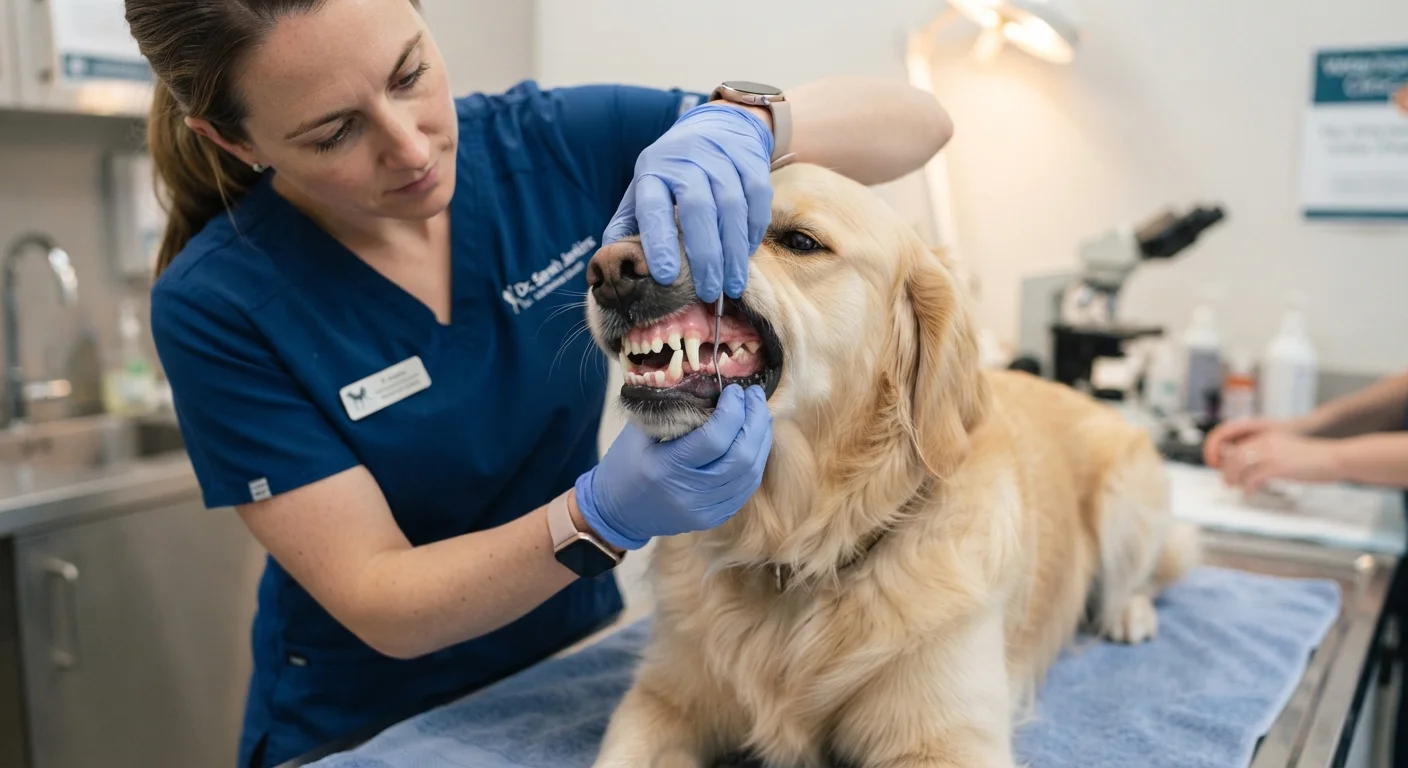
Flea, Tick, and Heartworm Prevention: Sorting Out the Options


Photo: TargetReads.com | Explore Engaging Reads editorial
Key Takeaways
- Flea, tick, and heartworm preventives come in topical, oral, and collar forms — each with distinct trade-offs.
- No single product covers every parasite; combination approaches are often recommended by vets.
- Cats and dogs require different products — never use a dog-labeled product on a cat.
- Your pet's age, health status, and local parasite risk all shape the right prevention plan.
- Year-round prevention is generally preferred by veterinary organizations over seasonal-only use.
Why Parasite Prevention Matters Year-Round
Fleas, ticks, and heartworm-carrying mosquitoes are not purely warm-weather threats. Mild winters, indoor environments, and travel can expose pets to parasites even when owners least expect it. The American Heartworm Society and most veterinary associations recommend year-round prevention for heartworm specifically, because lapses in coverage — even a single missed month — can leave a window for infection.
Beyond discomfort, parasites carry real health risks. Fleas can transmit tapeworms and cause flea allergy dermatitis. Ticks spread Lyme disease, ehrlichiosis, and Rocky Mountain spotted fever. Heartworm disease, transmitted by mosquitoes, causes progressive damage to the heart and pulmonary arteries and is difficult and costly to treat once established. Prevention is substantially simpler than treatment.
For a fuller picture of how parasite prevention fits into your pet's overall wellness routine, see our preventive care hub.
The Three Main Formats Compared
Parasite preventives generally fall into three delivery formats. Each works differently, covers different parasites, and suits different lifestyles. Understanding the basics helps you have a more productive conversation with your veterinarian.
| Topical Spot-On | Oral Preventive | Collar | |
|---|---|---|---|
| Application frequency | Monthly | Monthly (most) | Every 6–8 months |
| Heartworm coverage | No | Yes (many products) | No |
| Flea coverage | Yes | Yes | Yes |
| Tick coverage | Yes (most) | Yes (many) | Yes |
| Safe for cats | Species-specific only | Species-specific only | Species-specific only |
| Affected by water/bathing | Possibly | No | Minimally |
| Best suited for | Broad coverage, outdoor pets | Convenience, accurate dosing | Resistant-to-treatment pets |
Keep in mind that these categories are not mutually exclusive. Many veterinarians recommend pairing a heartworm preventive (often oral) with a tick or flea product for comprehensive coverage, particularly for dogs in tick-endemic regions.
Never Use Dog Products on Cats
Topical Spot-On Treatments
Topical preventives are applied directly to the skin, typically between the shoulder blades or along the back, where the pet cannot easily lick them. They spread via the skin's natural oils and generally provide 30 days of protection per application.
Topicals are available for both dogs and cats, but the formulations differ critically. Products containing permethrin — common in many dog-labeled topicals — are highly toxic to cats. This is a non-negotiable safety rule: always use only products labeled for the correct species and weight range, and keep recently treated dogs away from cats until the application site is dry.
Topicals typically target fleas, some tick species, and in certain formulations, mosquitoes or mites. They do not treat heartworm; a separate heartworm preventive is still needed. Bathing or swimming can reduce efficacy depending on the specific product.
Oral Preventives
Oral preventives — tablets or chewables — have grown in popularity because they eliminate application mess and the risk of the product rubbing off on furniture or children. Most are given monthly, though some heartworm-only oral preventives are also available in longer-interval injectable forms administered by a veterinarian.
Oral flea and tick medications work through the bloodstream: when a parasite bites the pet and ingests the medication, it is killed. This means a brief initial bite may occur before a flea or tick dies, which is worth discussing with your vet if your pet has severe flea allergy dermatitis. Oral heartworm preventives work differently — they eliminate larval stages before they mature, so consistent monthly dosing is critical.
Keep a Simple Medication Log
Some oral products combine heartworm prevention with flea, tick, or intestinal parasite coverage in a single chewable, which can simplify a multi-pet household's routine. Your vet can help identify which combination product suits your pet's specific parasite risk profile.
Collars
Flea and tick collars have evolved significantly. Older collar designs released repellents at the neck only, offering limited whole-body coverage. Newer formulations disperse active ingredients across the pet's coat over an extended period — often six to eight months — providing longer-lasting protection than monthly topicals or pills.
Collars are particularly practical for pets who resist monthly applications or pill-giving. However, they do not protect against heartworm, so a separate heartworm preventive remains necessary. Fit matters: a properly sized collar should allow two fingers to slide underneath comfortably. Loose collars lose effectiveness; overly tight ones cause irritation.
Some older or medically sensitive pets may react to collar ingredients, so discuss your pet's health history with a veterinarian before choosing this format. For guidance on preparing for that vet conversation, see The Pet Wellness Exam Prep Checklist.
Working With Your Vet to Build a Prevention Plan
Selecting parasite prevention is not a one-size-fits-all decision. A veterinarian will consider your pet's species, age, weight, existing health conditions, medication interactions, local parasite prevalence, and lifestyle (indoor-only vs. outdoor, boarding frequency, geographic travel). Puppies and kittens, senior pets, pregnant or nursing animals, and pets with certain health conditions may have more limited product options.
Because parasite prevention intersects with your pet's broader wellness care, it fits naturally into annual or semi-annual preventive visits. For tips on how to make the most of those appointments — including what questions to raise about parasite risk — visit our guide on going to preventive visits. You may also find useful context in Vaccination Schedules Demystified, since vaccines and parasite prevention are often coordinated at the same appointments.
This article is for general informational purposes only and is not a substitute for professional veterinary advice. Always consult a licensed veterinarian before starting, changing, or stopping any parasite prevention regimen for your pet.
The content on this site is for informational purposes only and is not a substitute for professional advice. Always consult a qualified professional for guidance specific to your situation.