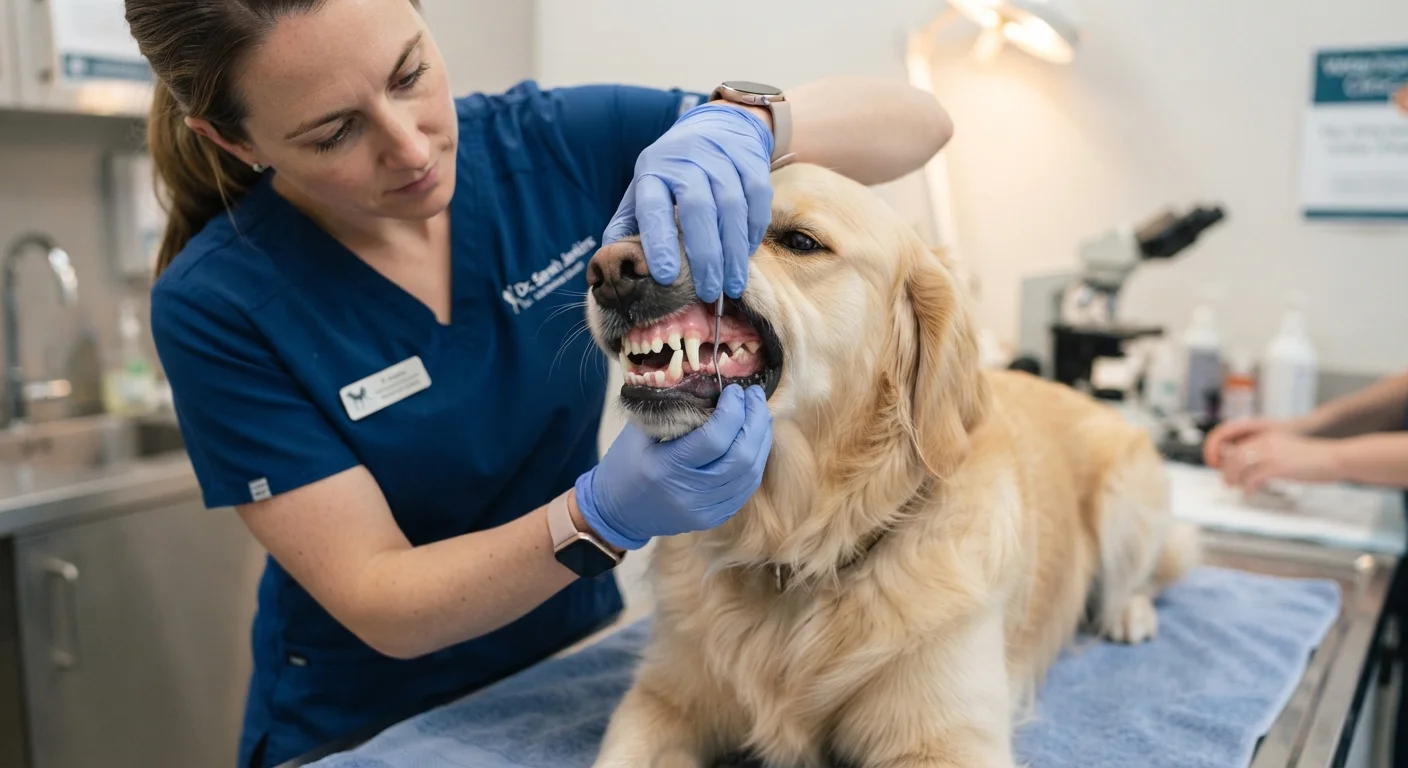
Why Pets Gain Weight—and What's Actually Driving It

Photo: TargetReads.com | Explore Engaging Reads editorial
Key Takeaways
- Overfeeding is a major cause, but hormonal changes, age, and activity level also play significant roles.
- Spaying or neutering can lower a pet's metabolic rate, making calorie management more important afterward.
- Treats and table scraps contribute hidden calories that many owners underestimate.
- Certain breeds are genetically predisposed to weight gain and need closer dietary monitoring.
- Underlying medical conditions like hypothyroidism can drive weight gain independent of diet.
- Regular veterinary check-ins are the most reliable way to catch gradual weight changes early.
The Calorie Equation Is Only Part of the Story
At its core, weight gain happens when calorie intake exceeds calorie expenditure. But in pets, that imbalance rarely comes from one source. Understanding why calories are piling up — or why energy use has dropped — is what allows owners and veterinarians to address the problem effectively.
Most weight gain in dogs and cats is gradual. A quarter-pound of extra fat every few months goes unnoticed until a year or two later, when it adds up to a significant health risk. Conditions associated with excess weight in pets include joint disease, diabetes, heart problems, and reduced life expectancy — making early identification important.
~59%
Dogs classified as overweight or obese in the U.S.
According to the Association for Pet Obesity Prevention's annual clinical survey of practicing veterinarians.
~61%
Cats classified as overweight or obese in the U.S.
Reported by the Association for Pet Obesity Prevention, reflecting a steady increase over the past decade.
20–30%
Reduction in metabolic rate after spay/neuter
Veterinary nutritional research indicates energy requirements often decrease significantly following these procedures.
For a deeper look at how feeding choices factor into this picture, see our guide on feeding your pet well using vet-recommended principles.
Top Causes of Weight Gain in Dogs and Cats
Overfeeding and Portion Drift
Free-feeding (leaving food out all day) and gradually increasing portion sizes — even slightly — are among the leading contributors to pet obesity. Measuring cups aren't always accurate, and owners often underestimate how quickly "just a little extra" adds up. Treats are frequently the hidden culprit: some treats carry 30–50 calories each, and multiple daily treats can represent a significant percentage of a small pet's caloric needs.
Our article on why pets keep gaining weight on the same food explores portion drift and hidden calories in more depth.
Reduced Physical Activity
An indoor cat who once explored freely but now spends most of the day sleeping burns far fewer calories. The same is true for dogs whose walks have shortened over time. Activity needs change with age, season, and household routine — and caloric intake rarely gets adjusted to match.
Hormonal and Reproductive Changes
Spaying and neutering alter hormone levels in ways that reduce metabolic rate. Research suggests energy needs may drop by 20–30% following these procedures. Without a corresponding reduction in food intake, weight gain is likely. This doesn't mean the procedures should be avoided — the health benefits are well-established — but it does mean dietary adjustment matters afterward.
Adjust Portions After Life Changes
Age-Related Metabolic Slowdown
Senior pets have lower muscle mass and tend to be less active, both of which reduce their daily caloric needs. Continuing to feed them the same amount as their younger, more energetic selves often results in gradual weight gain over months or years.
Medical Conditions
Hypothyroidism (underactive thyroid) in dogs and hyperadrenocorticism (Cushing's disease) can both cause weight gain independent of diet. If your pet is gaining weight despite consistent food portions and activity levels, a veterinary exam — including bloodwork — can help rule out underlying causes.
What You Can Do Right Now
Start by scheduling a veterinary visit to get an objective Body Condition Score for your pet. From there, work with your vet to calculate your pet's actual daily caloric needs based on their current weight, age, neuter status, and activity level — not just the feeding guide on the bag, which is often calibrated for more active, intact animals.
Reduce or restructure treat use. Many owners find that switching to lower-calorie treats or breaking existing treats into smaller pieces preserves the behavioral reward without the caloric load. Also review whether common nutrition myths might be affecting your feeding choices.
For households managing multiple pets with different dietary needs, our guide on building a feeding routine for a multi-pet household offers practical structure. And if you're noticing unusual behavior changes alongside weight gain — like reduced interest in play or increased hiding — consider reading about stress and anxiety signs in pets, as these can sometimes be connected.
Weight Loss Requires Veterinary Guidance
This article is for general informational purposes only and does not constitute veterinary advice. Always consult a licensed veterinarian before making changes to your pet's diet, exercise routine, or health management plan.
Frequently Asked Questions
The content on this site is for informational purposes only and is not a substitute for professional advice. Always consult a qualified professional for guidance specific to your situation.