
Color Coordination Without Overthinking It

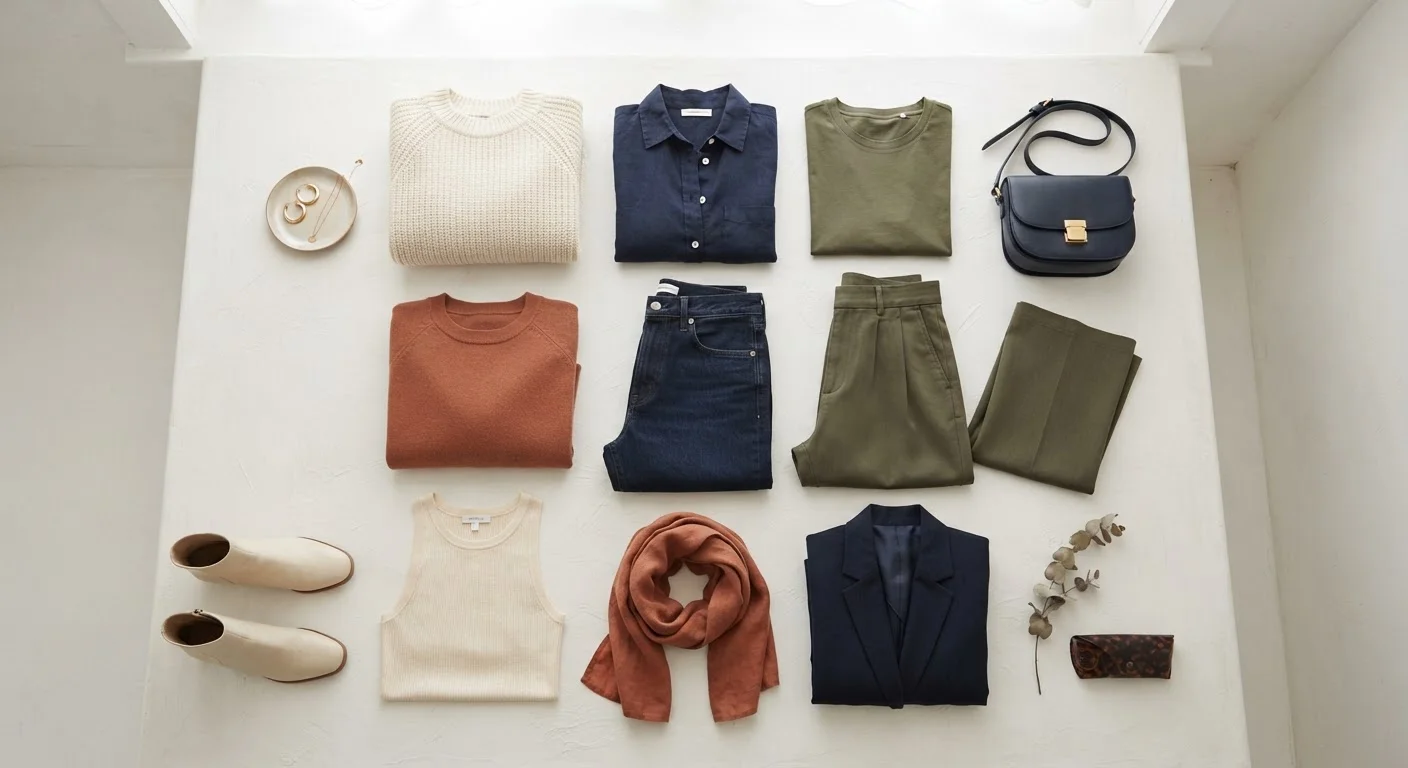
Photo: TargetReads.com | Explore Engaging Reads editorial
Key Takeaways
- Neutrals like white, black, gray, navy, and tan pair effortlessly with almost any color.
- Analogous colors — those sitting next to each other on the color wheel — are naturally easy to combine.
- Limiting an outfit to two or three colors keeps it looking cohesive without much effort.
- A single statement color paired with neutrals is one of the most reliable everyday formulas.
- Skin tone, lighting, and personal comfort all influence which color combinations feel right for you.
Why Color Coordination Feels Harder Than It Is
Most people don't struggle with color because they lack taste — they struggle because nobody ever explained the basic logic behind it. Fashion media tends to present outfit color choices as instinctive gifts rather than learnable skills, which leaves a lot of people second-guessing themselves in front of an open closet.
The truth is, color coordination follows patterns. Once you recognize those patterns, choosing what to wear becomes significantly less stressful. You don't need to study a color wheel obsessively — you just need a few anchoring ideas that you can apply on autopilot.
If you're also thinking about which pieces to build these combinations from, our guide on building a functional wardrobe from the ground up is a solid place to start.
Start With What You Already Own
The Role of Neutrals: Your Coordination Safety Net
Neutrals are the foundation of effortless color coordination. Colors like white, black, gray, navy, camel, and cream work with virtually every other color in existence — which is exactly why building your wardrobe around them makes daily outfit choices dramatically easier.
Think of neutrals as the base layer of any outfit equation. Once you have that base, you can add almost any color on top without worrying much about whether it "goes." A pair of stone-colored trousers, for instance, will happily pair with a dusty blue blouse, a terracotta sweater, or a bright yellow tote.
Understanding how neutrals and statement pieces interact is its own skill worth developing. Our article on balancing neutrals and statement pieces walks through exactly how to strike that balance.
2–3
Colors in a cohesive everyday outfit
Fashion stylists commonly recommend limiting an outfit to two or three colors, including neutrals, to maintain visual harmony without effort.
~80%
Of wardrobe items that go unworn regularly
Research and wardrobe audits frequently find that most people consistently wear only a fraction of what they own, often due to poor coordination between pieces.
Simple Color Relationships Worth Knowing
You don't need a full course in color theory, but knowing two basic relationships will cover the vast majority of your outfit decisions:
- Analogous colors sit next to each other on the color wheel — think blue and green, or orange and yellow. These combinations feel naturally harmonious because the hues share undertones. Wearing an olive green jacket with a mustard yellow shirt is an analogous pairing that looks intentional without trying hard.
- Complementary colors sit opposite each other on the color wheel — think blue and orange, or purple and yellow. These pairings create visual contrast and energy. They can feel bold, but keeping one of the two colors in a muted or neutral version softens the effect considerably.
A third approach — monochromatic dressing — involves wearing different shades and tones of a single color. Head-to-toe navy or an all-ivory outfit is a classic example. This strategy is nearly always cohesive and can look polished with very little effort.
For ready-made combinations that apply these ideas, check out our outfit formulas that work for almost any occasion.
Making It Work for Your Real Wardrobe
Knowing the theory is one thing — applying it to what's already hanging in your closet is another. A few practical habits make this much easier:
- Limit your palette per outfit. Aim for two to three colors maximum, counting your neutrals. This single rule eliminates most coordination anxiety.
- Let one color lead. Choose one color as the focal point of the outfit and let everything else support it. This keeps the look cohesive even when you're running late.
- Test combinations in good light. Colors can look very different under artificial lighting versus natural light. If you can, evaluate outfits near a window before you commit.
Coordinating colors is also closely tied to how much variety you actually have in your closet. If you find yourself reaching for the same pieces repeatedly, our article on buying fewer clothes and wearing more of them offers a smart way to rethink what you own.
“Color is a power which directly influences the soul. It's not about having the right colors — it's about understanding how they speak to each other.”
— Wassily Kandinsky, Artist and foundational color theorist
Frequently Asked Questions
The content on this site is for informational purposes only and is not a substitute for professional advice. Always consult a qualified professional for guidance specific to your situation.