
Building Your First Functional Wardrobe from the Ground Up

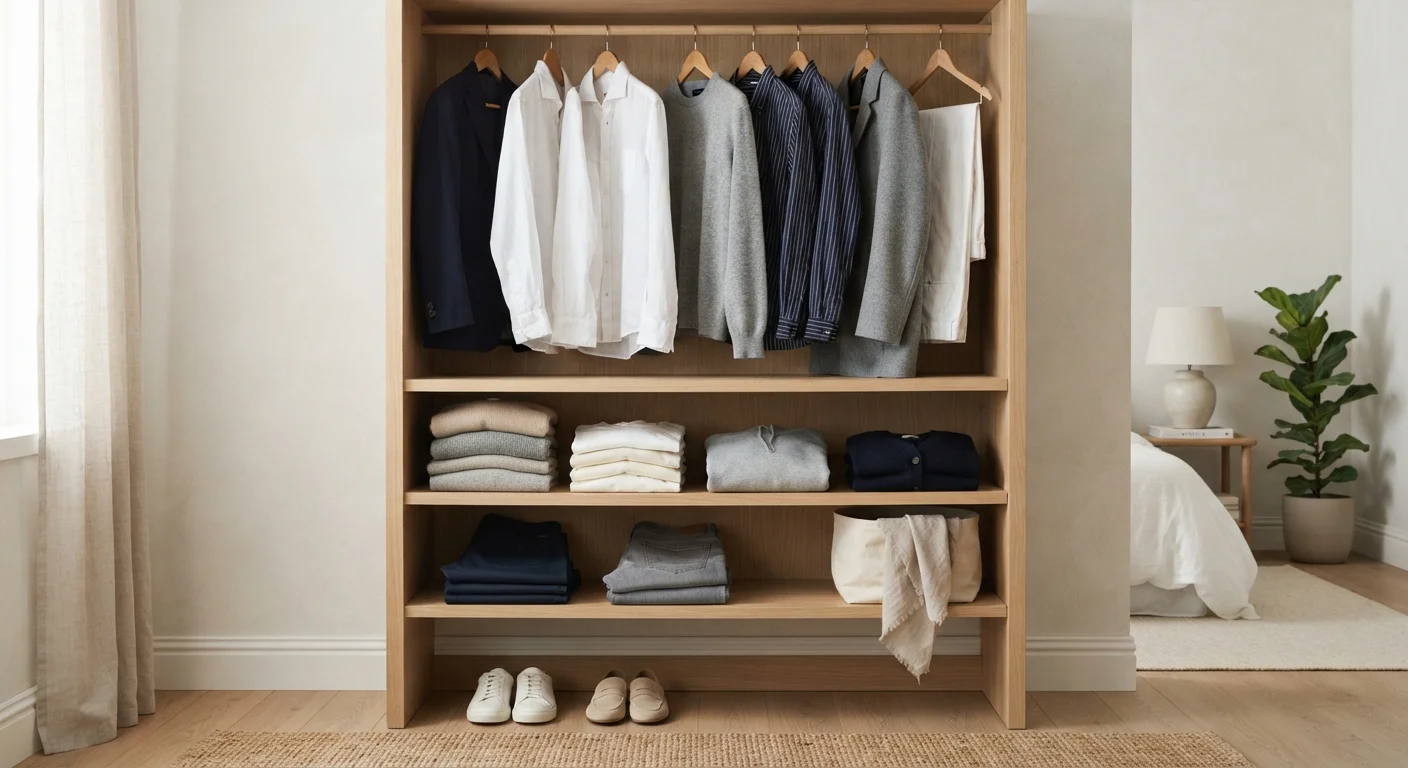
Photo: TargetReads.com | Explore Engaging Reads editorial
Key Takeaways
- A functional wardrobe solves daily outfit decisions — it doesn't need to be large or expensive.
- A small collection of versatile basics in neutral tones creates more outfit options than a packed closet.
- Fit matters more than any other factor when choosing foundational clothing pieces.
- Building gradually with intention produces better results than shopping all at once.
- Understanding simple color principles makes your pieces mix-and-match effortlessly.
What Makes a Wardrobe Actually Functional
A functional wardrobe isn't about having a lot — it's about having the right things. The simplest definition: a wardrobe works when you can open your closet on any ordinary morning and pull together an outfit without stress, second-guessing, or frustration.
Most people find themselves stuck not because they own too little, but because what they own doesn't connect. Individual pieces sit unused because they go with nothing else. Or the closet is full of aspirational items bought for occasions that rarely come. A functional wardrobe is built around your actual life — the places you go, the things you do, and the way you want to feel.
Foundational pieces
Clothing items that are versatile, simple in design, and reliable enough to anchor a large portion of your outfits — the workhorse items your wardrobe is built around.
Wardrobe cohesion
The quality of a wardrobe where pieces share a compatible color palette, style register, or occasion-fit so that they can be mixed and matched without clashing.
Fit
How well a garment conforms to your body's proportions — not too loose, not too tight. Good fit is widely considered the single most important factor in whether clothing looks intentional and put-together.
Neutral tones
Colors like white, grey, navy, black, and tan that pair easily with almost any other color and serve as the most flexible base for building outfits.
Style register
The general occasion-level of a piece of clothing — whether it skews casual, smart-casual, or formal — which determines what other pieces it pairs well with.
Before picking a single piece to buy, the most useful thing you can do is audit what you already have. Pull everything out. Notice what you reach for instinctively and what's been buried untouched for seasons. That pattern tells you more about your real style and lifestyle than any style quiz will.
The Core Pieces Every Starting Wardrobe Needs
Foundational pieces are clothes that do the most work for the widest range of situations. They tend to be simple in cut, neutral in color, and reliable in fit. Here's a practical starting list:
- Well-fitting jeans or trousers — one pair in a dark or mid wash works across casual and semi-casual settings.
- Plain crew-neck or V-neck tees — in white, grey, or navy. These layer under almost everything and stand on their own.
- A button-down shirt — chambray or white cotton is highly versatile across dress codes.
- One simple sweater or knit — a crew or half-zip in a neutral tone handles cooler weather and layering.
- A clean pair of chinos or tailored pants — for occasions that call for something slightly more polished than jeans.
- One outer layer — a classic jacket, denim jacket, or structured coat appropriate to your climate.
- Two pairs of shoes — one casual (clean sneakers or loafers), one slightly dressier (a Chelsea boot or simple oxford).
That's a starting roster of roughly 8–10 items. Not many, but combined thoughtfully, they can generate a surprising number of distinct outfits. For reliable outfit combinations that show you exactly how versatile these pieces can be, see our outfit formulas for everyday occasions.
The Best Test for Any Piece
How to Build It Without Blowing Your Budget
Building a wardrobe from the ground up doesn't require spending all at once. In fact, rushing the process often leads to the same problem you started with — a closet full of things that don't connect.
A smarter approach: identify your two or three biggest actual gaps first (not what seems exciting, but what you genuinely reach for and don't have), then add one or two pieces per month. This pacing lets you see how new additions interact with what you already own before committing to more.
When it comes to fit, always prioritize it over price. A modestly priced piece that fits well will get worn far more than an expensive one that doesn't. If basic tailoring — shortening a hem or taking in a waist — makes something fit significantly better, it's often worth the cost.
If budget is a real constraint, this is also a legitimate place to revisit your broader spending approach. Our budgeting basics hub can help you carve out a realistic clothing allowance without disrupting other financial priorities.
Avoid the 'Refresh' Trap
Making Everything Work Together
The secret to a wardrobe that feels effortless is cohesion — pieces that speak the same visual language. Neutral foundations help enormously here because they don't compete with each other. A grey tee, navy chinos, and tan suede shoes require almost no thought to coordinate because none of those elements clash.
Color becomes much less stressful when you understand a few basic principles. Our guide to color coordination without overthinking it walks through simple rules that make mixing and matching feel intuitive rather than risky.
Beyond color, consider the tonal and textural consistency of your pieces. Denim, cotton, wool, and leather each have a different weight and occasion-appropriateness. When your foundational items share a similar general register — say, mostly casual-relaxed or mostly smart-casual — they're more likely to work together without effort.
For anyone curious about how this connects to a more deliberately curated approach, our piece on the capsule wardrobe explained is a natural companion read.
What to Do Once the Foundation Is in Place
Once your base is solid, two things become much easier: getting dressed and shopping with intention. You'll notice that mornings feel less chaotic — a small but genuinely meaningful quality-of-life shift. If you want to formalize that further, our guide to getting dressed faster builds on exactly what you've set up here.
You'll also find it much easier to spot what genuinely belongs in your wardrobe versus what doesn't. As your needs shift with seasons or life changes, the transition process becomes more manageable. See our seasonal wardrobe transition guide when those moments arrive.
The bigger-picture mindset shift is moving from reactive shopping — picking things up because they caught your eye — toward intentional ownership. Most people discover they need less than they thought, and wear far more of what they have. Our article on buying fewer clothes and wearing more of them explores exactly that shift.
Style doesn't have to be complicated. It just has to work — for your life, your body, and the way you actually move through the world.
Frequently Asked Questions
The content on this site is for informational purposes only and is not a substitute for professional advice. Always consult a qualified professional for guidance specific to your situation.