
Everyday Style for Every Decade: Dressing Well at Any Age

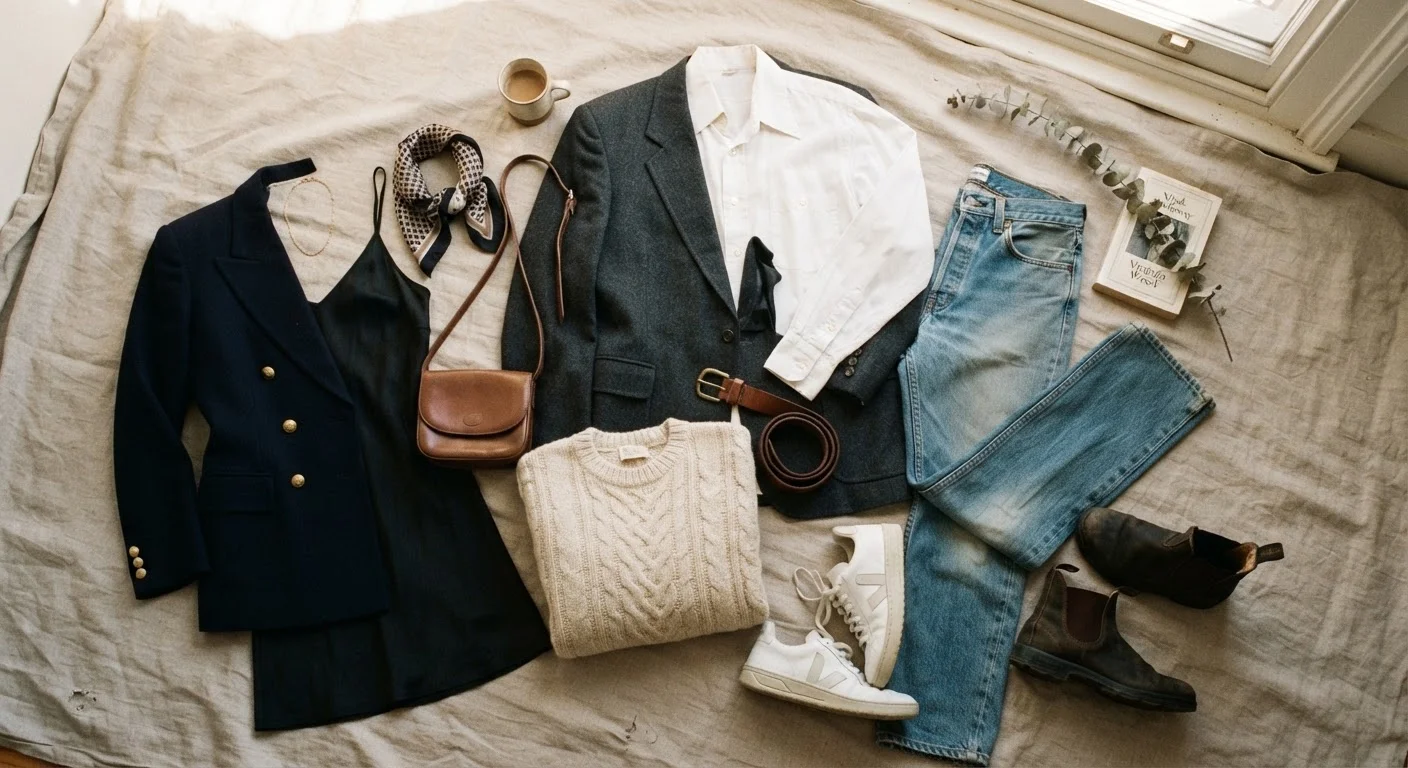
Photo: TargetReads.com | Explore Engaging Reads editorial
Key Takeaways
- Your clothing needs and priorities naturally shift as your body, lifestyle, and confidence evolve.
- A small set of versatile, well-fitting pieces outperforms a cluttered wardrobe at any age.
- Age-based style rules are guidelines, not laws — wear what makes you feel capable and at ease.
- Fit is the single most impactful factor in how polished any outfit looks, regardless of price.
- Comfort and style are not opposites — the best wardrobes deliver both simultaneously.
Why Style Evolves — and That's a Good Thing
Getting dressed changes across a lifetime — not because style has an expiration date, but because you do. Your body shifts, your daily context changes, and what you want clothing to do for you naturally adjusts. This is healthy, not something to resist.
Style evolution isn't about following a prescribed path or hitting checkpoints. It's about staying tuned in to what makes you feel confident, capable, and comfortable in the life you're actually living right now. If you've ever felt like the fashion world speaks to a narrow sliver of the population, know that most real dressing happens outside those pages entirely.
The good news: the fundamentals of dressing well don't expire. Fit, proportion, and intentionality matter just as much at 22 as they do at 72. What changes is how you apply them.
Start With What You Already Own
Your 20s: Experimenting Without Overthinking
This decade is genuinely the best time to try things — bold color, unexpected silhouettes, trends that might not survive next season. That experimentation is valuable because it teaches you what you actually like versus what you thought you should like.
That said, building even a small foundation of reliable pieces pays dividends fast. A well-fitting pair of dark trousers, a few quality basics, and one or two layering pieces can carry you through most situations without morning wardrobe paralysis. See our guide to building a functional wardrobe from the ground up for a practical starting point.
When building your 20s wardrobe, limit trend purchases to accessories and low-cost pieces. Let your investment items — good trousers, a versatile jacket — stay classic so they don't date quickly.
At any age, take one piece in for tailoring and notice how it transforms the whole look. A simple hem or side seam adjustment can make an off-the-rack item look custom.
The biggest trap in your 20s is buying for aspirational occasions rather than actual ones. Dress for the week you're actually having.
Your 30s and 40s: Function Meets Intention
By your 30s and 40s, most people have a clearer picture of what their life looks like day to day — work obligations, family demands, social occasions, and everything in between. The wardrobe challenge shifts from exploration to efficiency.
This is the era where reliable outfit formulas become genuinely useful. Knowing that a tailored blazer over simple trousers works for a 9 a.m. meeting and dinner removes a daily decision from your plate. That cognitive relief is real.
Bodies also change during these decades — through pregnancies, fitness shifts, desk jobs, or simply natural fluctuation. Rather than fighting these changes with clothing that no longer fits well, investing in alterations or updating key pieces for your current proportions makes a noticeable difference in how put-together you look and feel.
85%
Adults who say comfort influences clothing choices
Research by the Textile Institute has found the vast majority of adults cite physical comfort as a key factor in daily clothing selection.
3–5
Core outfit formulas most people actually use
Wardrobe studies consistently suggest most people rotate a small number of proven combinations regardless of how large their closet is.
Your 50s and Beyond: Confidence as the Foundation
If there's a through-line to dressing well in midlife and beyond, it's this: confidence reads louder than any trend. People who look effortlessly stylish at 55 or 70 are almost never wearing anything complicated — they've simply figured out what fits them well and stopped second-guessing it.
Practical considerations also come forward more intentionally. Fabric choices matter more when temperature regulation becomes less predictable. Easy closures, comfortable waistbands, and shoes that support rather than strain aren't concessions — they're smart priorities that don't have to compromise the look. See our grounded take on body-shape dressing for guidance that respects your actual body rather than an ideal one.
Hair changes are also part of this picture — texture, volume, and color all shift over time. Our overview of what to expect as your hair ages covers what's normal and what you can actually do about it.
“The most stylish thing a person can do is wear their clothes with ease. The clothes themselves are secondary.”
— Tim Gunn, Fashion educator and author on style and personal presentation
The Timeless Principles That Work at Any Age
Across every decade, a few principles consistently separate a wardrobe that works from one that just takes up space:
- Fit first. Nothing matters more. A modest piece in the right fit outperforms an expensive one that doesn't suit your proportions.
- Intentional color. A limited, cohesive palette means almost everything in your wardrobe works together with minimal effort.
- Occasion-appropriate comfort. Discomfort shows. If you're tugging, adjusting, or counting down until you can change, the outfit isn't working for you.
- Quality in high-rotation pieces. Invest attention (and, when possible, budget) in items you reach for constantly. Specialty pieces can be more modest.
Managing seasonal transitions thoughtfully keeps your wardrobe functional without chaos — our guide to rotating your wardrobe between seasons walks through a calm, practical approach.
Common Style Myths Worth Letting Go
A lot of style advice that circulates has less to do with dressing well and more to do with outdated conventions. Some rules were invented for a specific body type or era and were never universally applicable. Others are simply repeated so often they feel true.
Among the myths most worth questioning: that certain colors or patterns are off-limits after a certain age, that minimalism is inherently more sophisticated than maximalism, or that comfort and polish are mutually exclusive. Our piece on style myths worth questioning unpacks several of these in detail.
The goal isn't to ignore every convention — it's to understand why a guideline exists before deciding whether it applies to you. Style works best when it's informed rather than rule-bound.
Don't Let 'Age-Appropriate' Become a Cage
This article is for informational and general guidance purposes only. Individual clothing and comfort needs vary; consult relevant professionals (such as tailors or occupational therapists) for personalized advice related to mobility, medical conditions, or specific requirements.
The content on this site is for informational purposes only and is not a substitute for professional advice. Always consult a qualified professional for guidance specific to your situation.