
The Real Difference Between Smart Casual, Business Casual, and Casual Dress Codes

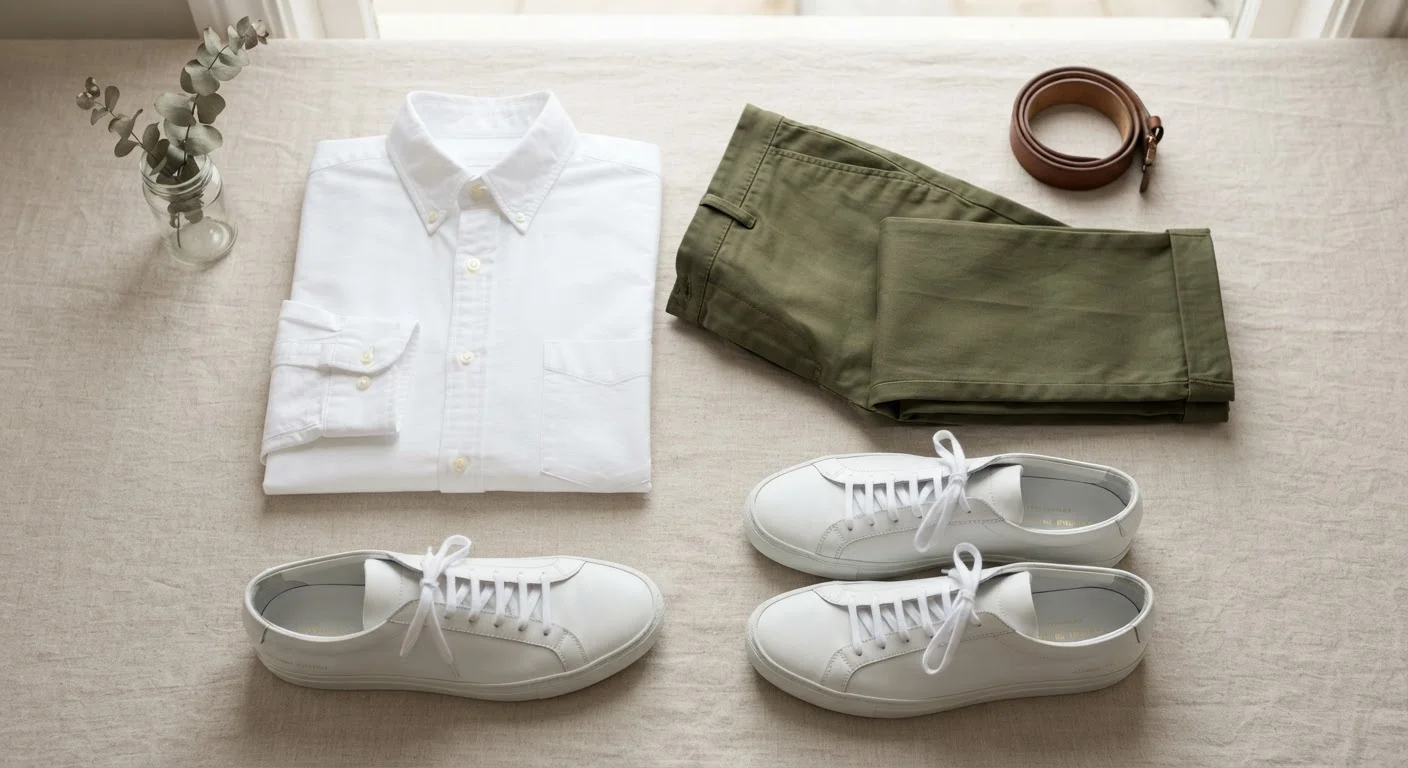
Photo: TargetReads.com | Explore Engaging Reads editorial
Why Dress Codes Are So Confusing
You've seen the invite. It says "smart casual" or "business casual," and suddenly you're standing in front of your closet wondering if dress pants are too much or if jeans are totally wrong. You're not alone — dress code terminology has never been standardized, which means it means slightly different things in different workplaces, regions, and social contexts.
That said, each term does have a broadly accepted definition that can guide your choices. Think of these not as rigid rules but as a dial between fully relaxed and fully formal. Once you know where each code sits on that dial, getting dressed becomes a lot less stressful. Outfit formulas can make this even easier once you understand the framework.
| Most misunderstood dress code | Smart Casual |
| Business casual typical setting | Office environments, professional events, interviews |
| Key casual dress rule | Clean and intentional — not just comfortable |
| Easiest smart casual upgrade | Add a blazer to any relaxed outfit |
| Business casual footwear | Leather shoes, loafers, low heels — no athletic sneakers |
Casual: The Most Relaxed End of the Spectrum
Casual dress simply means comfortable, everyday clothing with no expectation of polish. Think: a clean T-shirt, well-fitting jeans, shorts in warm weather, and sneakers or sandals. The operative word is clean and intentional — casual doesn't mean sloppy. Stained, torn, or ill-fitting clothes read as unkempt regardless of the occasion.
Casual works for weekend outings, informal get-togethers, running errands, or any environment where the social pressure to dress up is genuinely absent. If you're building a wardrobe that covers multiple dress levels, neutral basics paired with one or two statement pieces will carry you far in the casual range without overthinking it.
Casual Dress Code
The most relaxed level of dress, allowing everyday comfortable clothing like jeans, T-shirts, and sneakers. Clean, well-fitting items are still expected even at this level.
Smart Casual
A step above casual, smart casual blends comfort with intentionality. Expect neat, slightly elevated pieces like dark jeans, structured tops, blazers, and polished footwear.
Business Casual
A professional dress standard that eliminates the requirement for a full suit while still excluding jeans, athletic wear, and overly casual items. Tailored trousers, blouses, and dress shoes are typical.
Dress Code
A set of expectations — formal or informal — about the style or formality of clothing appropriate for a specific setting or event.
Silhouette
The overall shape or outline created by an outfit. Fit and silhouette are the foundation of looking put-together at any formality level.
Smart Casual: The Middle Ground You'll Use Most
Smart casual sits one notch above casual — elevated but relaxed. It's the code that covers the widest range of real-life situations: dinner at a nice-but-not-fancy restaurant, a daytime event, a creative office, or a casual Friday that still requires a put-together look.
For smart casual, aim for clothing that fits well and has a slightly polished edge. This might mean dark jeans or chinos instead of distressed denim, a structured top or a button-down (tucked or untucked), and footwear like loafers, ankle boots, or clean leather sneakers. Layering a blazer over a relaxed outfit is one of the most reliable smart casual moves there is. The goal is intentionality: it should look like you made a choice, not just grabbed whatever was on the floor.
Style needs shift over time, too. Dressing confidently at any age matters especially when navigating middle-ground dress codes like this one.
Business Casual: Professional Without the Full Suit
Business casual is the most commonly misread code because it straddles professional and comfortable territory. In most American workplaces, business casual means: no full suit required, but definitely no jeans or sneakers either (though some industries have loosened this).
Classic business casual typically includes tailored trousers or pressed chinos, button-front shirts or blouses, polo shirts, blazers, midi skirts, and leather or dress shoes. It excludes athletic wear, graphic tees, ripped denim, or anything too casual in texture or silhouette. A good test: if you'd wear it to a job interview at a mid-tier company, it's probably business casual. If it doubles as gym wear, it probably isn't.
One underrated tip: fit matters more than formality level. A well-fitted chino and a neat knit top can look more business casual than an ill-fitting blazer. Understanding fit and proportion makes any dress code easier to navigate.
50%+
U.S. workplaces with casual or business casual dress policies
Research from workplace culture surveys consistently finds that the majority of American offices have moved away from formal dress requirements in favor of business casual or casual standards.
1 level up
Safe rule for uncertain dress codes
Style experts broadly agree that when you're unsure about a dress code, dressing one level above the stated expectation is a lower-risk choice than underdressing.
A Quick Reference: What to Wear Where
When in doubt, use these general guidelines:
- Casual: Jeans, T-shirts, casual sneakers, relaxed sundresses, shorts (weather-appropriate)
- Smart Casual: Dark or tailored jeans, chinos, structured tops, blazers, loafers, ankle boots, neat casual dresses
- Business Casual: Tailored trousers, button-front shirts and blouses, midi skirts, polo shirts, dress shoes or low heels, blazers
When you receive a dress code invitation and still feel uncertain, it's always appropriate to ask the host or check if the venue has guidance. Dressing one level above the stated code is generally better received than under-dressing. And remember — building a wardrobe that moves fluidly across these codes doesn't have to mean buying everything at once. Rotating pieces seasonally keeps your closet functional and current without the chaos.
Industry and Regional Context Matters
The content on this site is for informational purposes only and is not a substitute for professional advice. Always consult a qualified professional for guidance specific to your situation.