
Why Clothes That Fit Well Matter More Than Labels or Price

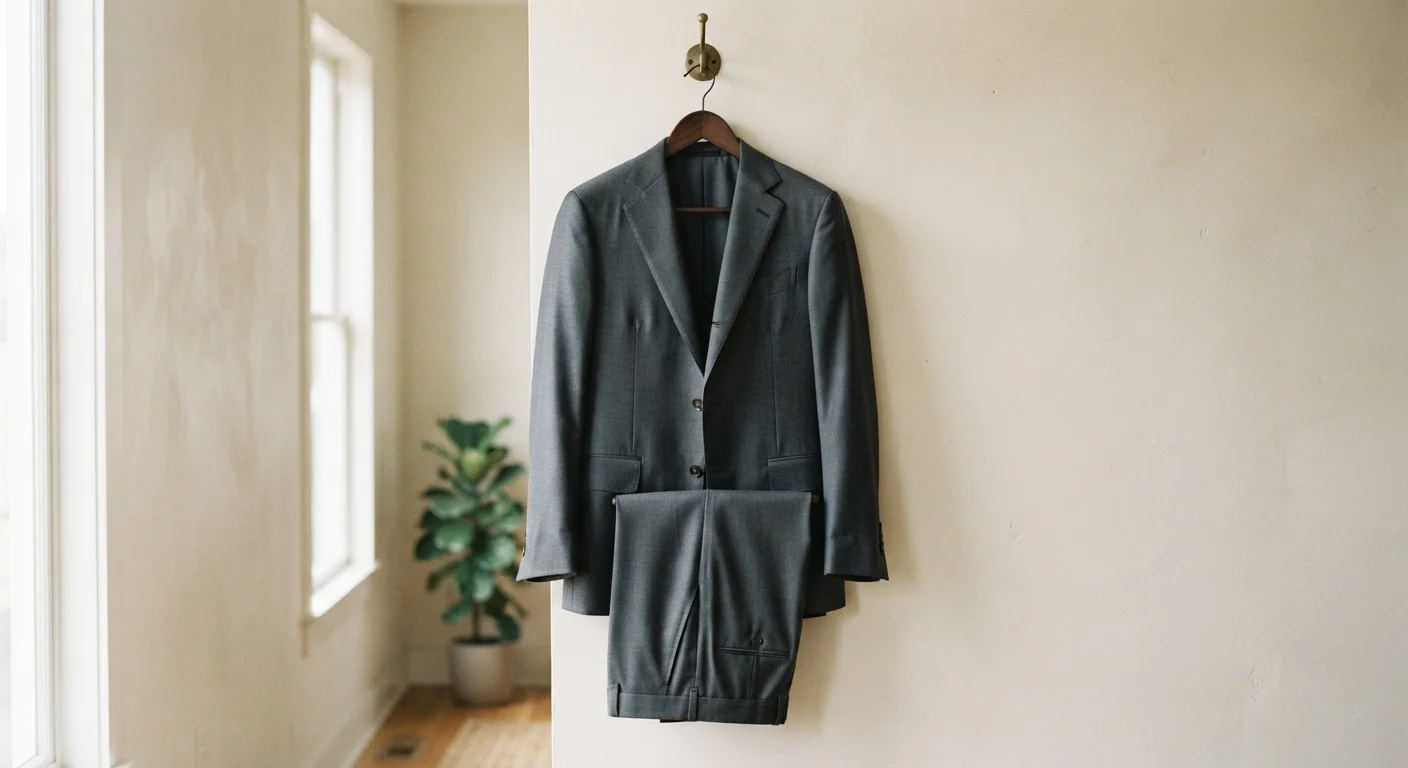
Photo: TargetReads.com | Explore Engaging Reads editorial
Key Takeaways
- Proper fit consistently makes clothes look more expensive and intentional, regardless of price tag.
- Common fit issues — like shoulder seams sitting off, or excess fabric pooling at the waist — are easy to identify once you know what to look for.
- Tailoring even a few key wardrobe pieces can dramatically improve how an entire outfit comes together.
- Body proportions change over time, making periodic fit checks more useful than relying on a remembered clothing size.
- A smaller wardrobe of well-fitting pieces almost always outperforms a large collection of ill-fitting ones.
The Fit Factor: Why It Outweighs Brand and Budget
Walk into any room wearing a $30 shirt that fits you perfectly, and most people won't notice the price tag. Wear a $200 designer piece that's two sizes too big, and the whole look falls flat. That gap isn't about money — it's about fit, and it's the single most underrated element of everyday style.
Fit works because it communicates intention. When clothing follows the natural lines of your body — not too tight, not billowing with excess — it reads as considered and put-together. That impression doesn't require a luxury label. It requires paying attention to how a garment actually sits on you.
If your outfits never quite feel "done," common wardrobe habits like ignoring fit are often the culprit — and they're more fixable than most people realize.
~60%
Wardrobe items rarely or never worn
Research into consumer wardrobe habits consistently suggests a majority of owned clothing goes unworn, often because pieces don't fit comfortably or confidently.
3–5x
More wear from well-fitting basics
Style researchers and wardrobe consultants commonly observe that properly fitting foundational pieces are reached for far more frequently than trend-driven or ill-fitting alternatives.
How to Identify Good Fit: The Key Checkpoints
Good fit isn't about squeezing into the smallest size possible — it's about clothing that moves with you and sits correctly at key structural points. Here's what to look for:
- Shoulders: The seam where the sleeve meets the body should land exactly at the edge of your shoulder — not drooping down your arm or pulling toward your neck.
- Chest and torso: Fabric should lie flat without pulling at buttons or gaping at the front. You want ease of movement, not a tent of extra material.
- Waist: Pants and skirts should sit at your intended waistline without requiring a belt just to stay put. Fabric bunching or pulling horizontally signals a sizing issue.
- Hem length: Trouser hems grazing the top of the shoe, sleeves reaching your wrist bone — these proportions are what make an outfit look intentional rather than accidental.
Once you start checking these points before you buy, you'll spend less time wearing things that feel "off" and more time reaching for pieces you actually love. For a deeper look at how your proportions factor in, body-shape dressing guidance can help clarify the logic behind common advice.
Always check shoulder seam placement before committing to any top, jacket, or coat.
Try clothes on while moving — sitting down, raising your arms, walking a few steps.
Build a relationship with a local tailor for adjustments on key pieces.
Prioritize fit over trend when shopping for versatile basics.
Reassess your wardrobe fit periodically rather than assuming your size is fixed.
The Tailoring Argument: Small Alterations, Big Difference
Most people think tailoring is an expensive luxury reserved for suits or special occasions. In practice, basic alterations — hemming trousers, taking in a waist, shortening sleeves — are often affordable and can turn a mediocre garment into something you'll wear constantly.
Start With Your Most-Worn Pieces
A pair of trousers you love in every way except the length is a far better investment than buying an entirely new pair in a different cut. The cost of hemming is typically modest, and the result is a garment that looks custom to you.
This logic feeds directly into building a wardrobe you'll actually use. Buying fewer pieces and wearing more of them becomes much easier when the pieces you own actually fit correctly.
Fit Across Time: Sizing Isn't Static
Bodies change — through different seasons of life, activity levels, and natural aging — and a size that fit well several years ago may not reflect your current proportions. This is worth acknowledging without any judgment: it's simply physiology.
The practical takeaway is to try things on rather than grabbing your usual size by habit, and to do periodic reviews of your existing wardrobe. Pieces that no longer fit well aren't serving you, even if they're good quality. Dressing confidently at any age means working with your body as it actually is — not as it was.
Getting dressed becomes easier and more enjoyable when your wardrobe is stocked with pieces that genuinely fit. For ready-to-go combinations that leverage well-fitting basics, reliable outfit formulas take the guesswork out of everyday dressing.
The content on this site is for informational purposes only and is not a substitute for professional advice. Always consult a qualified professional for guidance specific to your situation.