
What Hair Porosity Actually Means — and Why It Changes Everything

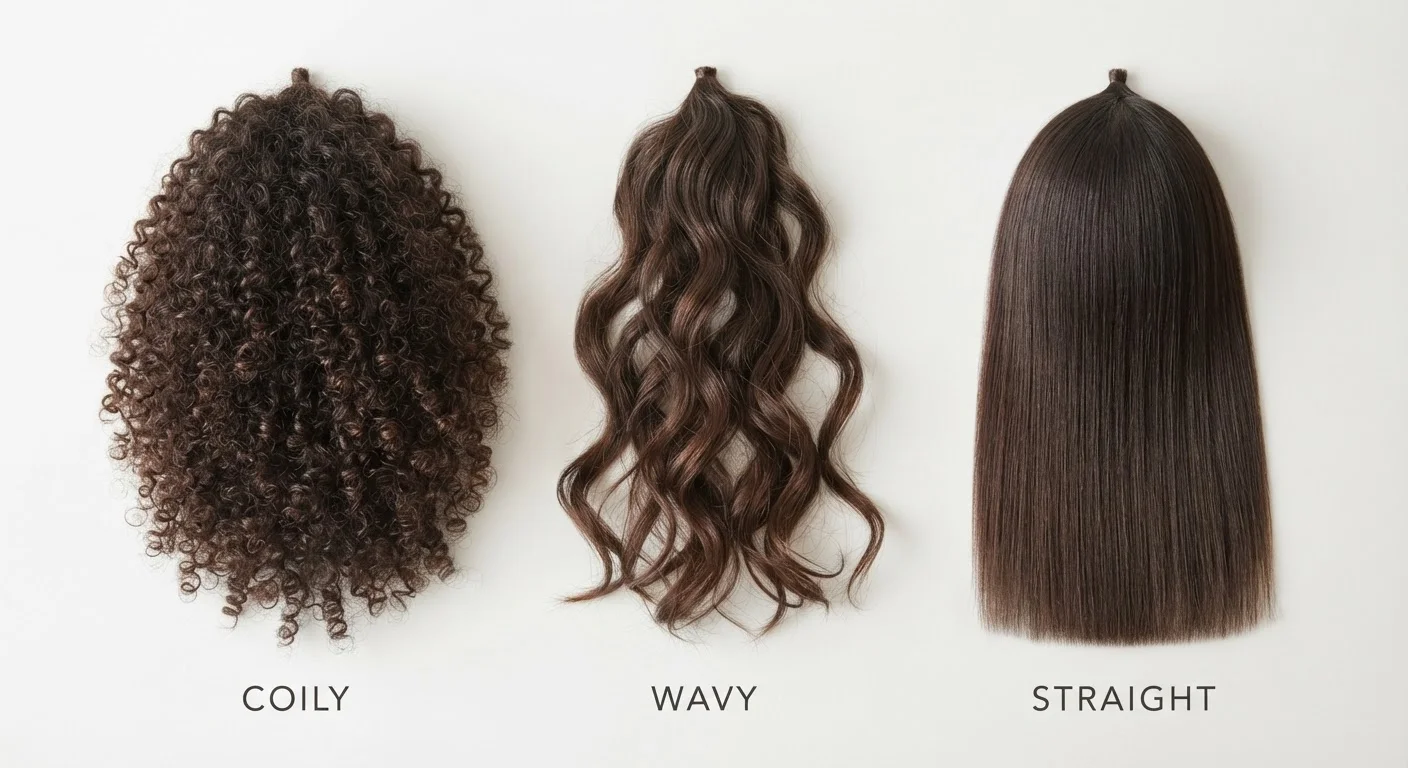
Photo: TargetReads.com | Explore Engaging Reads editorial
Key Takeaways
- Hair porosity describes how well your strands absorb and hold onto moisture.
- Low, medium, and high porosity each require different care approaches.
- You can test your porosity at home with a simple float test or spray test.
- Chemical processing and heat can shift your porosity over time.
- Matching your products to your porosity level reduces buildup and dryness.
The Science Behind the Cuticle
Think of each hair strand as a tiny roof: the cuticle scales are the shingles. When those shingles lie flat and tight, water struggles to get in — that's low porosity. When they're raised or gapped, water rushes in easily but escapes just as fast — that's high porosity. Medium (or normal) porosity sits in the middle, with cuticles that open and close more responsively.
These structural differences aren't just academic. They dictate whether your hair feels perpetually dry despite constant conditioning, turns greasy after one application of oil, or seems to absorb everything you throw at it but frizzes up as soon as humidity hits. Just as understanding your skin type shapes your skincare choices — see our piece on what your skin type actually means — knowing your hair's porosity is a genuine game-changer for your routine.
Porosity Isn't the Same as Hair Type
How to Test Your Hair Porosity at Home
You don't need a lab to get a reliable read. Two easy methods work well:
- The float test: Take a clean, shed strand (no product on it) and drop it into a glass of room-temperature water. Watch for two minutes. A strand that sinks quickly signals high porosity; one that hovers in the middle suggests normal porosity; one that floats near the top points to low porosity.
- The spray test: Mist a small section of clean, dry hair with water. If droplets bead on the surface, you're likely low porosity. If your hair drinks the water in almost immediately, you're probably high porosity.
Neither test is perfectly precise, but together they paint a consistent picture. Repeat on different sections of your hair — roots versus ends often show different readings, especially if you've colored or heat-styled your lengths.
Test on Clean, Product-Free Hair
What Each Porosity Level Needs
Low porosity hair resists moisture uptake, so the goal is getting water and product past that tight cuticle. Lightweight, water-based formulas work better than heavy creams. Applying products to freshly washed, still-warm hair — or using a steamer — can temporarily lift the cuticle just enough to let moisture in. Avoid heavy oils as a first step; they tend to sit on the surface and cause buildup.
High porosity hair soaks up moisture easily but loses it just as fast. The priority here is sealing. Layer products using the LOC or LCO method (liquid, oil, cream — or liquid, cream, oil) to lock hydration in. Protein treatments can help temporarily patch gaps in a damaged cuticle. Understanding which natural oils suit your hair best becomes especially useful at this stage, since heavier oils like castor tend to seal more effectively than lighter ones.
Medium porosity hair is the most forgiving — it responds well to a wide range of products and doesn't require highly specialized approaches. The main goal is simply maintaining what you have: gentle heat use, regular trims, and consistent moisture.
3 Layers
Structural layers in every hair strand
The cuticle, cortex, and medulla each play a role in how hair responds to moisture and treatment, per established trichology references.
~90%
Of hair's composition that is protein (keratin)
Because hair is primarily keratin, protein treatments can temporarily reinforce cuticle gaps common in high porosity strands, according to cosmetic chemistry literature.
Why Porosity Shifts Over Time — and What to Do
Genetics sets your baseline, but your habits and environment move the needle. Repeated bleaching, relaxers, and high-heat styling gradually raise porosity by roughing up the cuticle. UV exposure has a similar effect over time. Even hard water, which leaves mineral deposits on the strand, can interfere with cuticle function.
Hair naturally becomes more porous toward its ends simply because those sections are older and have experienced more environmental wear. This is why split ends and mid-shaft dryness are so common — and why hair changes as you age in ways that may require you to revisit your routine over the years.
Once you understand your porosity, choosing between a rinse-out conditioner, co-wash, or leave-in becomes much more logical. Our explainer on what each conditioning method actually does walks through exactly how to match those products to your hair's needs. And if you've noticed unusual thinning alongside texture changes, it's worth reviewing how shedding differs from hair loss to rule out other factors.
Frequently Asked Questions
The content on this site is for informational purposes only and is not a substitute for professional advice. Always consult a qualified professional for guidance specific to your situation.