
Reading Your Owner's Manual: The Parts That Actually Matter

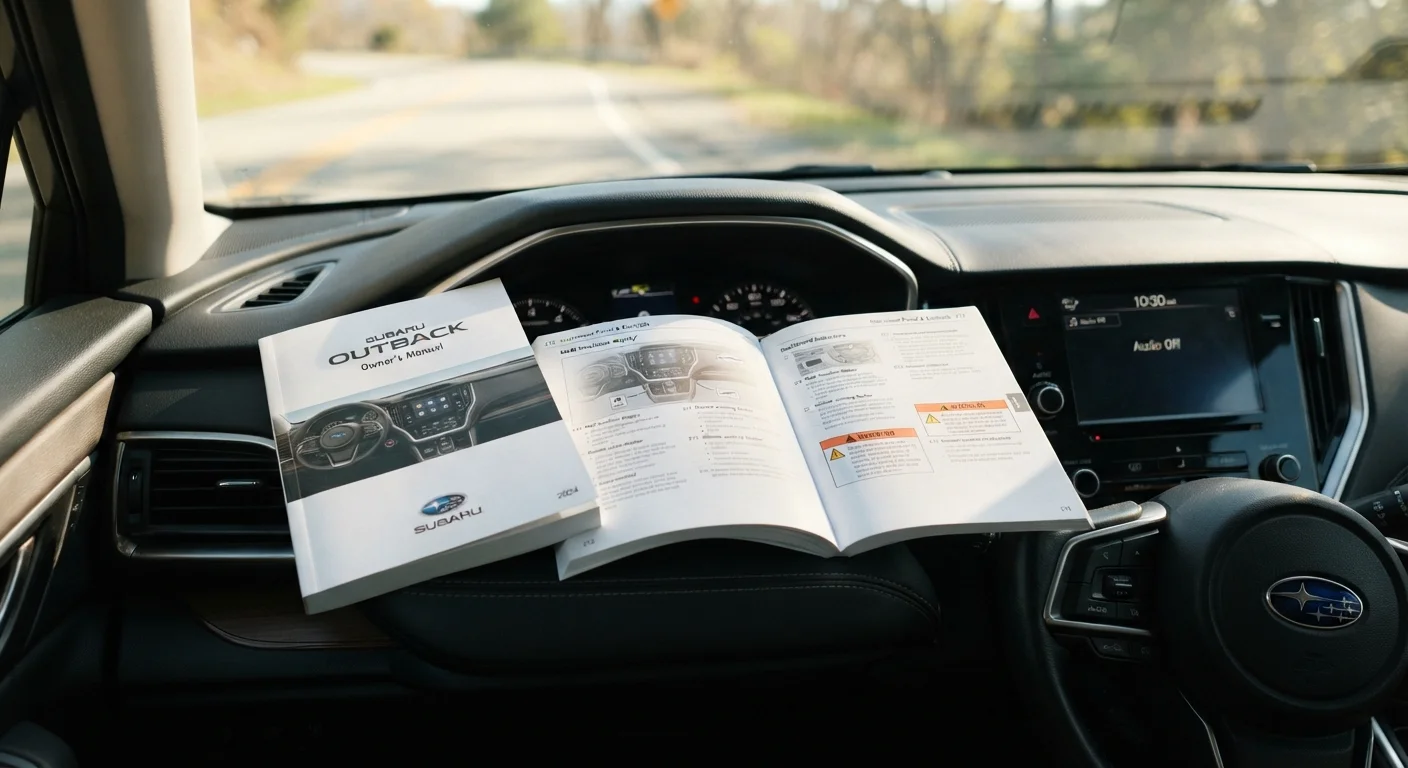
Photo: TargetReads.com | Explore Engaging Reads editorial
Key Takeaways
- Your owner's manual contains vehicle-specific maintenance schedules that override generic advice.
- The correct tire pressure for your car is in the manual — not on the tire sidewall.
- Fluid specifications, oil type, and change intervals vary significantly by make, model, and engine.
- Understanding warning light severity levels helps you decide when to pull over versus drive on.
- Warranty conditions often depend on following manufacturer-specified service intervals precisely.
Why Most Drivers Skip the Manual — and Why That's a Mistake
The owner's manual arrives folded into the glovebox, and for most drivers, that's where it stays. It reads like legal documentation, runs several hundred pages, and covers scenarios that seem irrelevant until they're not. But buried inside is vehicle-specific information that no mechanic, no quick-lube technician, and no general maintenance guide can fully replicate.
Generic advice — change your oil every 3,000 miles, inflate your tires to 32 PSI, flush your coolant every two years — may or may not apply to your vehicle. Manufacturers engineer each model differently, and the manual reflects those specific engineering decisions. Following generic rules instead of manufacturer guidance can shorten the life of your car or, in some cases, void warranty coverage.
The good news: you don't need to read every page. A few targeted sections give you the majority of the practical value. This guide walks you through exactly where to look and what you'll find.
What you will need
The Sections Worth Your Time
Start by locating your manual — physical copy in the glovebox, or a PDF download from the manufacturer's website if the original is missing. Then navigate to these high-value sections:
Find the Maintenance Schedule
This is the single most valuable section in the manual. It lists every service your vehicle requires — oil changes, filter replacements, spark plugs, transmission fluid, brake fluid, belts, and more — organized by mileage or time intervals, whichever comes first.
Many manuals include two schedules: one for normal driving conditions and one for severe conditions (frequent short trips, extreme temperatures, towing, or stop-and-go traffic). Most urban and suburban drivers fall closer to the severe category than they'd expect. Identify which schedule applies to your typical driving pattern.
Look Up Your Oil Specification and Change Interval
Your manual specifies the exact oil viscosity grade your engine requires — such as 0W-20 or 5W-30 — and the recommended change interval in miles and months. These numbers are engine-specific and may differ substantially from what a service center recommends by default.
The manual may also specify whether conventional or full synthetic oil is required. Using the wrong type won't necessarily cause immediate damage, but it can affect engine protection and may matter for warranty purposes. For more context on what these specifications mean in practice, see our explanation of oil change intervals.
Locate the Tire Information Section
Your manual lists the manufacturer-recommended tire size and the correct inflation pressure for both front and rear tires. The correct pressure for your car is also printed on a placard inside the driver's door jamb — but the manual often provides additional context, including load-dependent adjustments and spare tire guidance.
Note that the number molded into the tire sidewall is the maximum pressure the tire can hold, not the pressure your vehicle should run. Always use the manufacturer's placard value, not the sidewall number.
Review the Warning Lights Reference
Most manuals include a dedicated chapter on dashboard warning and indicator lights, with icons, meanings, and recommended actions. Critically, they often categorize lights by urgency: some require immediate stopping, some allow you to continue driving to a shop, and some are informational reminders.
Read this section before you need it. Knowing in advance that a particular light means "schedule service soon" versus "pull over immediately" is far more useful than scrambling to look it up on the roadside. For a quick reference on the most common lights and what triggers them, see what your dashboard warning lights are actually telling you.
Check the Fluids and Capacities Section
Your manual lists the correct type and specification for every fluid your vehicle uses: engine oil, coolant (including the correct coolant color or type), brake fluid, transmission fluid, power steering fluid, and windshield washer fluid. Using the wrong fluid in any of these systems can cause real damage over time.
This section may also list reservoir locations and dipstick reading instructions. For a guided overview of each fluid's role and how to check them at home, our car fluid basics guide walks through the process step by step.
Once you've worked through these sections, you'll have a clearer picture of what your car actually needs — not what a generic service reminder assumes it needs. For a deeper look at how oil specifications affect your engine, see our guide to conventional vs. synthetic motor oil.
Putting Your Manual Knowledge to Work
Reading the manual is only useful if the information changes how you maintain your vehicle. A few practical follow-throughs:
- Set calendar reminders based on your manufacturer's actual service intervals, not mileage stickers left by quick-lube shops.
- Note your exact fluid specifications and keep them accessible when you're at an auto parts store or speaking with a mechanic.
- Cross-reference warning lights with the manual's severity guide. Some lights indicate a safe-to-drive condition; others require immediate stopping. Our article on dashboard warning lights explains common triggers in plain language.
- Review tire pressure recommendations seasonally — the placard value applies to a cold tire. Our tire pressure guide explains why a few PSI can affect fuel economy and handling more than most drivers expect.
Understanding your manual also helps when reviewing repair estimates. If a shop recommends a service ahead of the manufacturer's schedule, you'll have the information to ask informed questions. See our guide to evaluating mechanic estimates before approving any work. For a broader view of what car ownership costs over time, car ownership costs most drivers underestimate is worth a read.
Your Manual Is the Authoritative Source
The content on this site is for informational purposes only and is not a substitute for professional advice. Always consult a qualified professional for guidance specific to your situation.