
Tire Pressure and Why a Few PSI Can Matter More Than You Think

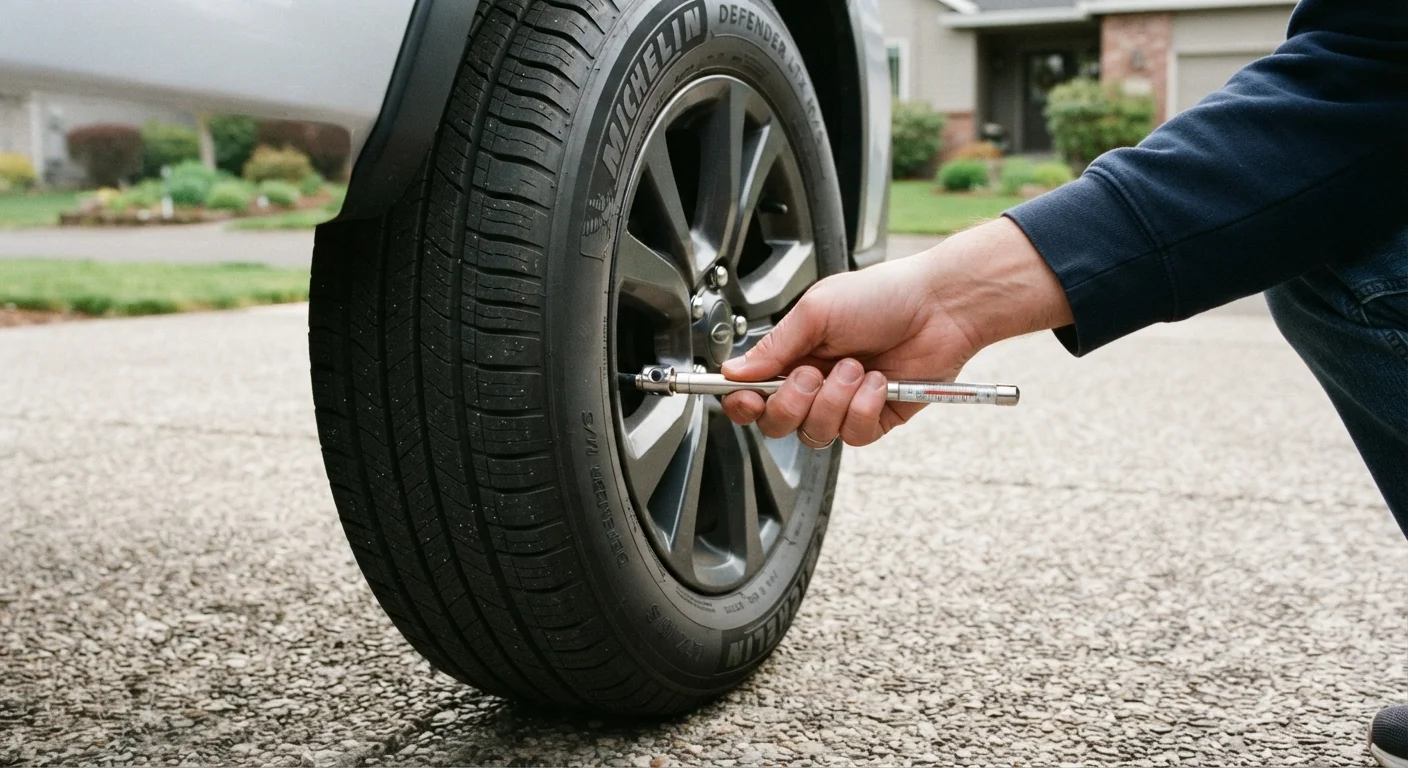
Photo: TargetReads.com | Explore Engaging Reads editorial
Key Takeaways
- Your vehicle's correct tire pressure is found on the door jamb sticker, not the tire sidewall.
- Under-inflated tires increase fuel consumption, generate more heat, and wear unevenly.
- Tire pressure drops naturally in cold weather — check it every season change.
- Even tires that look fine visually can be significantly under- or over-inflated.
- A quality tire gauge costs just a few dollars and takes less than two minutes to use.
The Number on Your Door Jamb Is the One That Matters
Most drivers, when they think about tire pressure at all, glance at the sidewall of the tire — where a number like "Max 51 PSI" is molded into the rubber. That figure is the tire's maximum structural capacity, not a target. Driving at that pressure would likely give you a bone-jarring ride and uneven wear.
The correct pressure for your vehicle is on a sticker inside the driver's door or door jamb. It's set by the vehicle manufacturer based on the car's weight, suspension design, and intended handling characteristics — not by the tire brand. Front and rear recommendations sometimes differ, so check both. Your owner's manual is the other reliable source if the sticker is worn or missing.
~1 PSI
Pressure lost per 10°F temperature drop
The U.S. Department of Energy and tire industry sources consistently cite this relationship between ambient temperature and tire pressure.
25%
Below-spec pressure that triggers TPMS alert
Federal regulations require TPMS systems to alert drivers when any tire falls to 25% below the vehicle manufacturer's recommended pressure.
1 in 4
Vehicles with at least one significantly under-inflated tire
U.S. Department of Transportation data has historically indicated a large share of vehicles on the road are operating with at least one under-inflated tire.
What Under-Inflation Actually Does to a Tire
When a tire doesn't have enough air, the sidewalls flex more than they're designed to. That extra flex generates heat — and heat is one of the primary causes of tire failure. Beyond safety, under-inflation causes the outer edges of the tread to carry more of the load, so those edges wear down faster than the center. You end up replacing tires sooner than you should.
There's also a fuel economy cost. More flex means more rolling resistance, which means the engine has to work harder to maintain speed. The U.S. Department of Energy has noted that proper tire inflation is one of the easiest ways drivers can support fuel efficiency.
A visually "low" tire is already significantly under-inflated — by the time air loss is visible, the problem has likely been affecting your vehicle for days or weeks. This is why a monthly pressure check matters even when tires look fine.
Check Pressure When Tires Are Cold
Over-Inflation: Less Obvious, Still Problematic
Too much air causes its own issues. An over-inflated tire is rigid, which shrinks the contact patch — the area of rubber actually touching the road at any moment. Less contact means less grip, particularly in wet conditions. The ride becomes harsher, and road impacts transfer more directly into the suspension and chassis.
Wear patterns tell the story: over-inflated tires wear predominantly in the center of the tread, leaving the outer edges relatively untouched. If you see this on your tires, it's worth checking whether someone consistently over-filled them.
“Proper tire inflation is one of the most overlooked aspects of vehicle maintenance, yet it's among the simplest and most impactful things a driver can do to protect both safety and fuel economy.”
— National Highway Traffic Safety Administration, U.S. federal vehicle safety agency
Temperature, Seasons, and Why Pressure Changes Without a Leak
Tire pressure isn't static — it responds to temperature. For roughly every 10°F drop in ambient temperature, tires lose about 1 PSI. That means a tire correctly inflated at 35 PSI on a 70°F autumn afternoon may read 32 PSI on a 40°F winter morning. That's physics, not a puncture.
This is why the TPMS (Tire Pressure Monitoring System) warning light — the horseshoe-shaped icon on your dashboard — tends to appear more often in fall and winter. If you see it, check your pressures before assuming there's a leak. For more on interpreting dashboard warnings, see our guide on what dashboard warning lights are actually telling you.
Once temperatures stabilize, tires inflated in warm weather may actually be under-pressured in cold, and vice versa — tires set in winter cold may run slightly high by summer. A seasonal check takes care of both.
Building a Simple Tire Pressure Habit
The equipment is minimal: a reliable digital or analog tire pressure gauge. Check your tires when they're "cold" — meaning the car has been parked for at least a few hours, or driven fewer than a mile. Heat from driving temporarily raises pressure readings, which can give a misleading result.
Once a month is the standard recommendation. Pair it with a habit you already have — checking before a weekly errand or at the beginning of each month. If you notice one tire consistently losing pressure faster than the others, have it inspected; slow leaks around valve stems or from minor punctures are common and easy to miss.
Tire care is part of a broader maintenance mindset. For context on how routine habits compound over a vehicle's life, see keeping your car in good shape over the long haul. And if you drive in snow-prone areas, pressure management becomes especially relevant when considering all-season vs. winter tires — different tire compounds respond to cold differently.
Frequently Asked Questions
The content on this site is for informational purposes only and is not a substitute for professional advice. Always consult a qualified professional for guidance specific to your situation.