
What Your Dashboard Warning Lights Are Actually Telling You

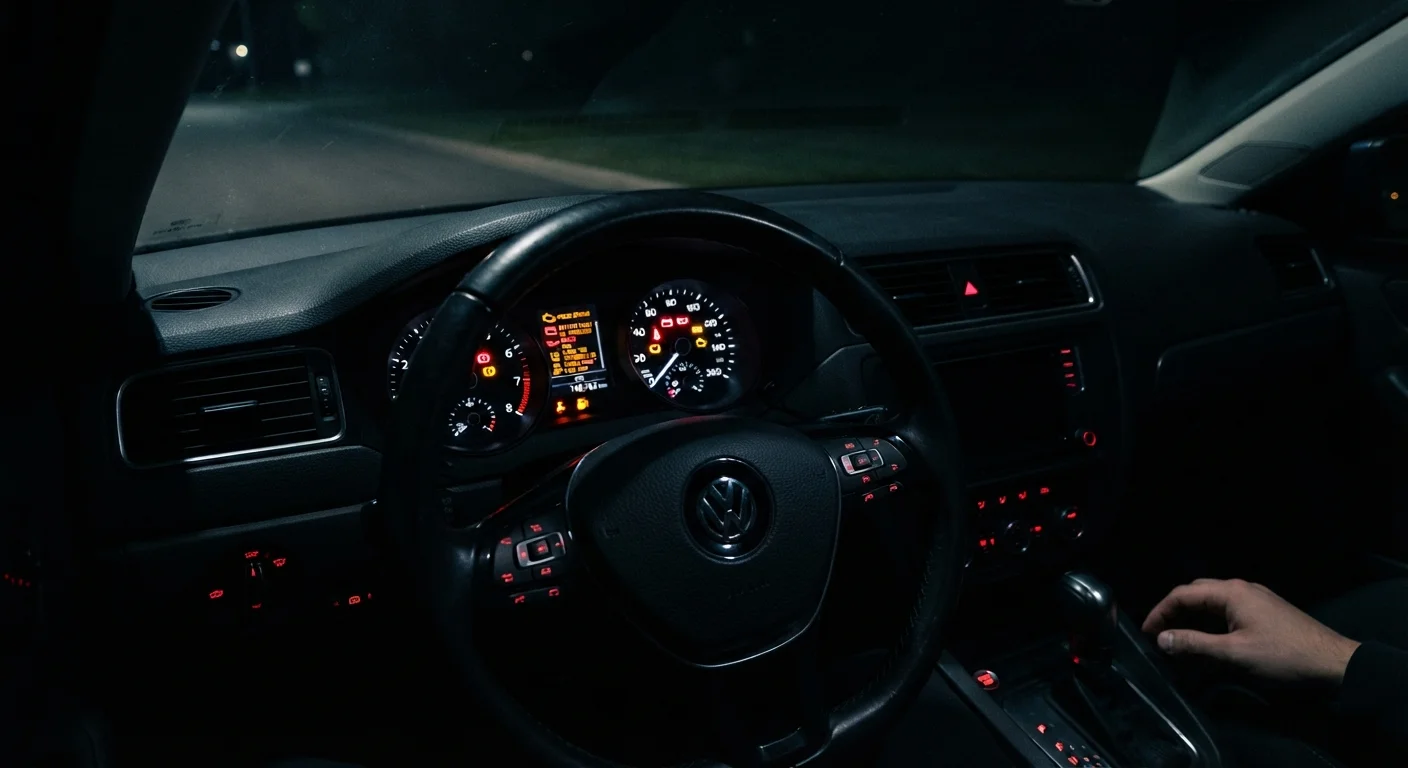
Photo: TargetReads.com | Explore Engaging Reads editorial
Why Warning Lights Exist and How to Read Them
Your car's warning lights are part of an onboard diagnostic system — a network of sensors that monitor engine performance, fluid levels, braking, and more. When something falls outside normal operating range, the system triggers a light on your instrument cluster to alert you.
Color is your first signal about urgency:
- Red — Stop or act immediately. Continuing to drive risks serious damage or a safety hazard.
- Amber/Yellow — Attention needed soon. You can usually continue driving, but the issue should be addressed within a day or two.
- Green or Blue — Informational. A system is active (e.g., high beams, turn signal). No action required.
Your owner's manual is the definitive reference for your specific vehicle. Every symbol in your cluster is explained there, often with model-specific context no generic guide can provide. See our guide to reading your owner's manual for the sections worth prioritizing.
Malfunction Indicator Lamp (MIL)
The technical name for the check engine light. It activates when the engine control module detects a fault code stored by the onboard diagnostic system.
OBD-II
On-Board Diagnostics, second generation — the standardized system used in vehicles sold in the US since 1996 to monitor emissions and engine performance. A scan tool plugged into the OBD-II port reads stored fault codes.
TPMS
Tire Pressure Monitoring System. A sensor-based system required on all US passenger vehicles since 2008 that warns the driver when tire pressure drops significantly below the recommended level.
Oil Pressure
The force that pushes engine oil through the lubrication system. Adequate pressure ensures moving parts are coated and cooled; a sudden drop can cause rapid, irreversible engine damage.
Alternator
A generator driven by the engine that recharges the battery and powers electrical systems while the vehicle is running. A failing alternator causes the battery warning light to illuminate.
Catalytic Converter
An emissions control device in the exhaust system that converts harmful combustion byproducts into less harmful gases. Engine misfires can overheat and permanently damage it.
The Most Common Warning Lights Decoded
Below are the lights drivers encounter most often, what triggers them, and what to do.
| Check Engine Light Trigger | Loose gas cap is among the most common causes (General automotive consensus) |
| OBD-II Requirement | Mandatory on all US passenger vehicles since 1996 (EPA regulation) |
| TPMS Requirement | Required on all new US passenger vehicles since 2008 (NHTSA TPMS Final Rule) |
| Oil Pressure Drop Risk | Severe engine damage can occur within minutes of driving (General automotive engineering guidance) |
| Flashing vs. Steady Check Engine | Flashing = active misfire; pull over promptly (General OBD-II diagnostic protocol) |
Check Engine (Malfunction Indicator Lamp)
This amber engine-shaped icon is one of the most misunderstood lights on the road. It signals that the engine control system has detected a fault — anything from a loose gas cap to a failing oxygen sensor or catalytic converter. A steady light means schedule a diagnostic scan soon. A flashing check engine light is more serious and typically indicates an active engine misfire that can damage the catalytic converter; reduce speed and get to a shop promptly.
Oil Pressure Warning
A red oil can symbol means oil pressure has dropped dangerously low. Pull over safely as soon as possible and shut off the engine. Driving with low oil pressure can cause severe and permanent engine damage within minutes. Check the oil level once the engine has cooled. If oil is at a safe level and the light persists, the problem may be a failing oil pump — do not drive the vehicle until a mechanic has evaluated it. Learn more about checking fluids at home in our car fluid basics guide.
Temperature Warning
A red thermometer symbol means the engine is overheating. Turn off the air conditioning, pull over safely, and shut off the engine. Do not open the radiator cap while the engine is hot. Allow the engine to cool for at least 30 minutes before checking coolant levels.
Battery / Charging System
An amber battery icon indicates the charging system isn't maintaining proper voltage. Common causes include a failing alternator, worn battery, or a loose drive belt. You may have limited driving time before the vehicle loses power entirely. Head to a shop without making unnecessary electrical demands (limit climate control and audio).
TPMS (Tire Pressure Monitoring System)
This amber icon — a cross-section of a tire with an exclamation mark — activates when one or more tires fall significantly below the recommended pressure. It does not tell you which tire is low, so check all four. Our article on tire pressure and why it matters explains what the right PSI means for your vehicle.
Brake System Warning
A red circle with an exclamation mark (or the word BRAKE) can signal low brake fluid, worn brake pads, or an issue with the ABS system. If this light appears alongside a spongy or unresponsive brake pedal, pull over immediately — this is a safety-critical situation. For more on how your brakes function and the warning signs to watch for, see our brakes guide.
When to Pull Over Immediately vs. Drive to a Shop
Not every warning light demands an immediate roadside stop, but some genuinely do. Use this framework:
- Pull over immediately: Red oil pressure light, red temperature warning, flashing check engine light, brake warning with pedal changes, or any smoke, burning smell, or unusual noise accompanying a light.
- Drive to a shop today: Battery/charging warning, steady check engine light with no other symptoms, TPMS light with confirmed low pressure.
- Schedule service soon: Service reminder lights (oil life monitor, maintenance due), TPMS after tires have been inflated and light persists.
A Scan Tool Can Help You Start the Conversation
Once a warning light triggers a repair, understanding the mechanic's estimate protects you. Our guide to mechanic estimates walks you through what to look for before approving any work.
This article provides general educational information about vehicle warning systems and is not a substitute for advice from a qualified mechanic. Consult a licensed automotive professional for diagnosis and repair of your specific vehicle.
The content on this site is for informational purposes only and is not a substitute for professional advice. Always consult a qualified professional for guidance specific to your situation.