
Why Gutters Fail — and What Happens to a House When They Do

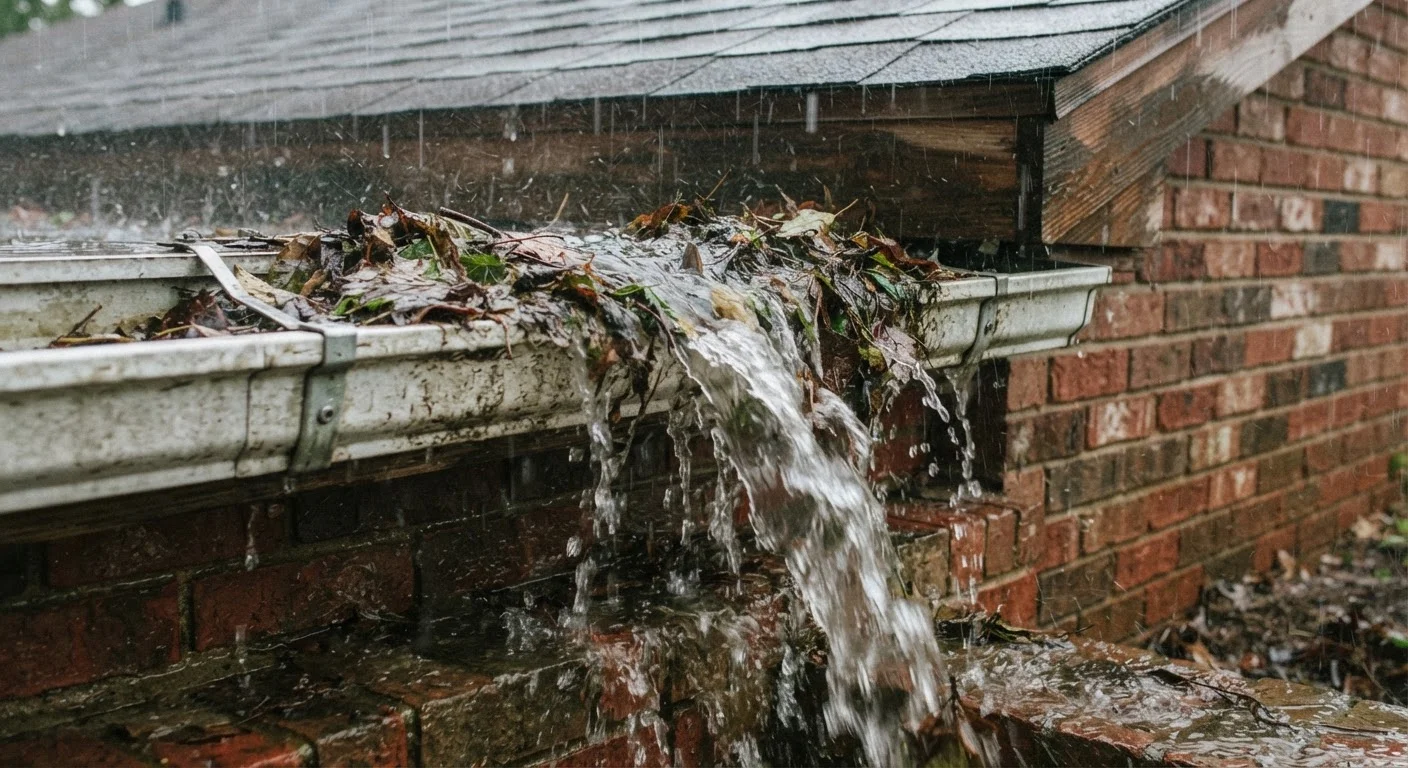
Photo: TargetReads.com | Explore Engaging Reads editorial
Key Takeaways
- Gutters fail most often due to neglect — clogs, improper slope, and loose fasteners are the top causes.
- When gutters fail, water migrates toward foundations, fascia boards, and crawl spaces, causing costly damage.
- Cleaning gutters at least twice a year — fall and spring — prevents most common failure points.
- Sagging or pulling gutters are a warning sign that fasteners or the fascia board itself may be compromised.
- Downspout placement matters: water must discharge at least 4–6 feet from the foundation.
What Gutters Actually Do — and Why Failure Is Costly
Gutters have one job: collect rainwater shedding off your roof and channel it safely away from your home. That single function protects your fascia boards, siding, foundation, and crawl space from moisture damage that compounds silently over years. When gutters work correctly, you barely notice them. When they fail, the repair bills can run into the thousands.
The irony is that most gutter failures are preventable. They result not from manufacturing defects or age alone, but from a handful of recurring mistakes homeowners make — or skip making. Understanding those failure points puts you in a position to act before damage sets in.
Gutter Damage Compounds Quietly
The Most Common Gutter Mistakes — and How to Fix Them
The following errors account for the vast majority of gutter-related water damage on American homes. Each is correctable with basic tools or, where needed, a short call to a handyman.
Cleaning gutters only once a year — or not at all.
Ignoring sagging or sections that have pulled away from the fascia.
Letting downspouts terminate too close to the foundation.
Ignoring gutter slope (pitch) when reinstalling or replacing sections.
Overlooking joint sealant failure at seams and end caps.
If water is already pooling near your home's perimeter, the problem may extend beyond the gutters themselves. See our guide to grading and drainage to understand how soil slope affects foundation exposure.
What Happens Inside the House When Gutters Fail
The damage from failing gutters rarely stays visible from the curb. Water that overflows or misdirects finds its way into less obvious places — and by the time it becomes apparent, it has often been building for months.
~$10,000
Average foundation repair cost for water intrusion
Foundation repair costs vary widely by region and damage type, but industry estimates frequently cite figures in the $5,000–$15,000 range for water-related foundation issues.
2x/year
Recommended minimum gutter cleaning frequency
Home maintenance guidelines from organizations such as the American Society of Home Inspectors consistently recommend at least two cleanings per year for most climates.
Fascia and soffit rot is usually the first interior-adjacent damage to appear. The fascia board — the horizontal board gutters mount to — absorbs overflow water and can rot within a single wet season if the gutter is consistently pulling away from it.
Foundation intrusion follows when water pools at the base of the house rather than draining away. Over time, that hydrostatic pressure (the force water exerts against a surface) can crack poured concrete or cause block foundations to bow inward. Our article on keeping a crawl space dry explains how moisture travels from the perimeter into the substructure and what warning signs to look for.
Gutters and roofing are also interconnected: water backing up under shingles accelerates deck rot. Roof maintenance habits that include checking the first row of shingles near the gutter edge can catch this early.
Never Work on Gutters from an Unstable Ladder
Building a Simple Gutter Maintenance Routine
Preventing gutter failure doesn't require specialized skills — it requires consistency. A twice-yearly cleaning schedule (once in late fall after leaves drop, once in spring after seed pods and debris accumulate) handles the majority of clog risk. Here's what a basic inspection covers:
- Clear debris from the gutter channel and flush with a garden hose to test flow.
- Check slope by watching where water travels — it should move steadily toward the downspout, not pool in the middle.
- Inspect fasteners (the screws or spikes that hold the gutter to the fascia) for signs of pulling away or rust.
- Examine downspout extensions to confirm water exits at least 4–6 feet from the foundation.
- Look at seams and end caps for cracks or separation that will leak under load.
If you notice fascia boards that feel soft or spongy when pressed, that's a sign of existing rot — a repair that warrants a professional assessment before reattaching gutters. Some of these tasks can surprise homeowners with their complexity; our overview of DIY repairs homeowners underestimate offers useful context on when to call in help.
The content on this site is for informational purposes only and is not a substitute for professional advice. Always consult a qualified professional for guidance specific to your situation.