
Building a Morning Skincare Routine From the Ground Up

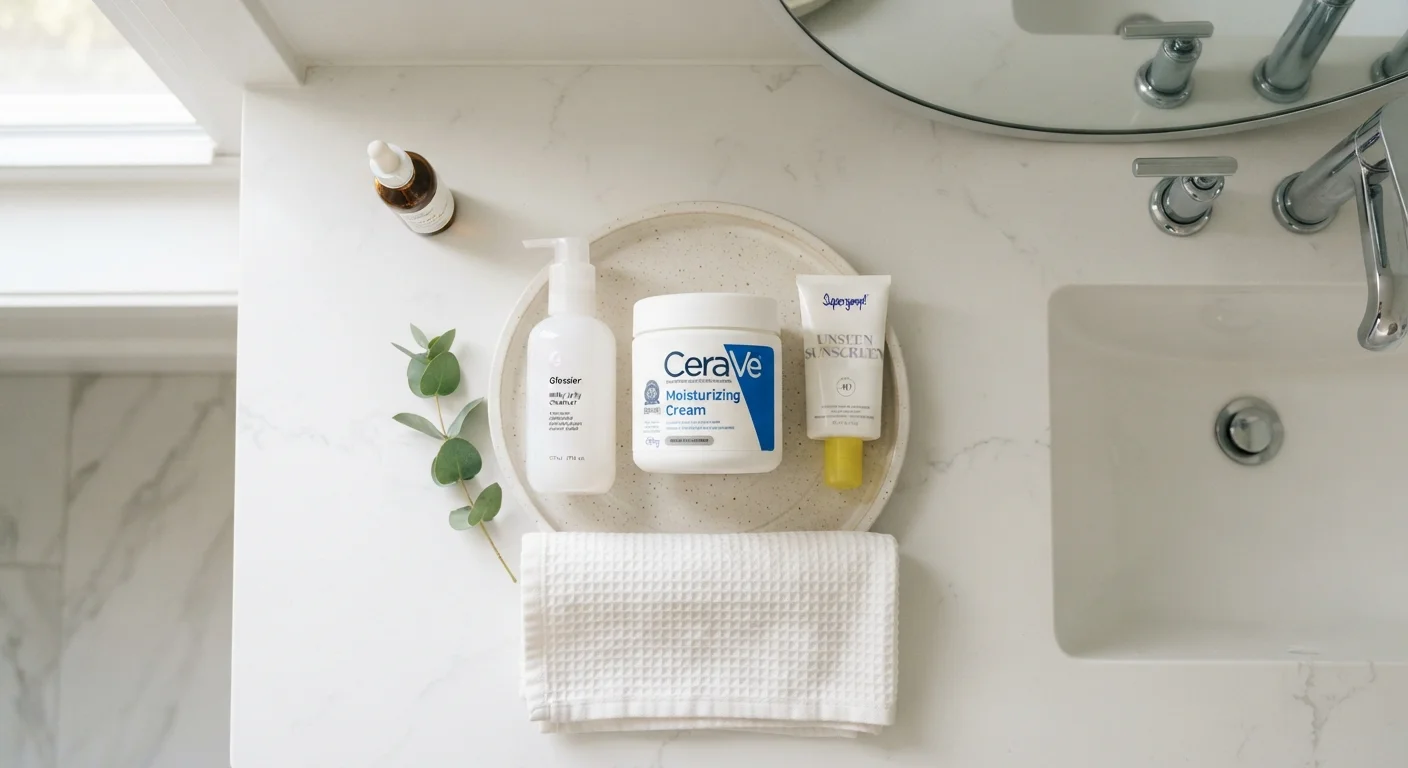
Photo: TargetReads.com | Explore Engaging Reads editorial
Key Takeaways
- A morning skincare routine needs only three to four core steps to be effective.
- Sunscreen is the single most important daytime skincare product dermatologists consistently recommend.
- Applying products in the correct order — thinnest to thickest — helps each one work better.
- Choosing products suited to your skin type prevents irritation and avoids wasted effort.
- Consistency over a few weeks matters more than which specific products you pick.
Why a Morning Routine Deserves Its Own Logic
Morning skincare isn't just a scaled-down version of your nighttime routine — it serves a completely different purpose. During the day, your skin faces UV exposure, environmental pollution, and fluctuating humidity. A well-structured morning routine focuses on protecting skin, while an evening routine leans toward repair and recovery. Understanding that distinction makes it much easier to choose the right products without overcomplicating things.
If you're just getting started, our beginner's skincare guide is a great companion read that helps you understand the basics before building out any routine. And once you've got your mornings dialed in, your evening routine is the natural next step.
The good news: you genuinely do not need a 10-product shelf to take care of your skin. A consistent three- to four-step process done daily will outperform an elaborate routine followed sporadically.
What you will need
What You'll Need Before You Start
Gathering the right tools upfront saves you from mid-routine scrambling and helps you avoid impulse purchases that don't suit your skin. The list is intentionally short — this is about building a sustainable habit, not a full overhaul.
Gentle Facial Cleanser
Removes overnight oils, sweat, and any residue from pillowcases without stripping the skin's moisture barrier.
Facial Moisturizer
Replenishes hydration and helps maintain the skin's protective barrier throughout the day.
Broad-Spectrum Sunscreen (SPF 30+)
Protects skin from UVA and UVB rays, the leading environmental cause of premature skin aging and sun damage.
Facial Serum (e.g., Vitamin C or Hyaluronic Acid)
Delivers concentrated active ingredients targeting specific concerns like dullness, uneven tone, or dehydration.
Clean Washcloth or Soft Towel
Used to gently pat the face dry after cleansing — avoids tugging or irritating freshly washed skin.
One note on product layering: the general principle is to apply products from thinnest to thickest consistency. This ensures each layer can absorb properly rather than sitting on top of something heavier. For a deeper look at why order matters, see our guide on layering skincare products in the right order.
Keep It Simple When Starting Out
Step-by-Step: Your Morning Routine
Follow these four steps in order every morning. The whole process takes five to fifteen minutes depending on your pace and whether you add the optional serum step.
Cleanse Your Face
Start with a gentle, pH-balanced cleanser suited to your skin type. Use lukewarm water — hot water can strip the skin's natural oils, while cold water may not rinse away debris as effectively. Massage the cleanser in soft, circular motions for about 30 to 60 seconds, then rinse thoroughly and pat dry with a clean, soft towel.
If you have dry or sensitive skin, a cream or lotion cleanser tends to be gentler. If your skin leans oily, a foaming or gel formula generally works well without over-drying.
Apply a Serum (Optional but Effective)
If you choose to use a serum, apply it now — while your skin is still slightly damp. Serums are lightweight, fast-absorbing formulas with a higher concentration of active ingredients than most moisturizers. Common morning options include Vitamin C (which may help brighten skin and supports antioxidant protection) and hyaluronic acid (which draws moisture into the skin).
Use only two to three drops and press gently into the skin rather than rubbing. Give it about 30 seconds to absorb before moving to the next step.
Moisturize
Apply a moisturizer appropriate for your skin type. Even oily skin benefits from hydration — skipping this step can signal the skin to produce more oil to compensate. Look for non-comedogenic formulas if you're acne-prone (this label means the product is formulated to avoid clogging pores).
Apply a dime- to quarter-sized amount and smooth it evenly across your face and down your neck. Allow it to absorb for a minute before applying sunscreen on top.
Apply Sunscreen — Every Day
This is the step that delivers the biggest long-term payoff. Apply a broad-spectrum sunscreen (SPF 30 or higher) as the last step before makeup or heading out. Most adults need about a nickel-sized amount for the face alone to achieve the stated SPF protection.
Mineral sunscreens (containing zinc oxide or titanium dioxide) tend to be well-tolerated by sensitive skin. Chemical sunscreens are typically lighter in texture and may suit oily or combination skin better. Both are effective when applied consistently.
SPF Is Non-Negotiable Every Morning
Once your routine feels natural — usually after a few consistent weeks — you can consider a skincare routine self-audit to spot any gaps or refine your approach. And if your mornings are especially rushed, our streamlined head-to-toe grooming guide offers practical ways to combine skin and grooming habits without adding more time to your day.
Patch Test New Products First
This article is for general informational and educational purposes only and is not a substitute for professional dermatological or medical advice. If you have a skin condition, persistent irritation, or concerns about a product reaction, consult a qualified dermatologist or healthcare provider.
The content on this site is for informational purposes only and is not a substitute for professional advice. Always consult a qualified professional for guidance specific to your situation.