
The Nighttime Skincare Routine: How Evening Hours Work in Your Favor

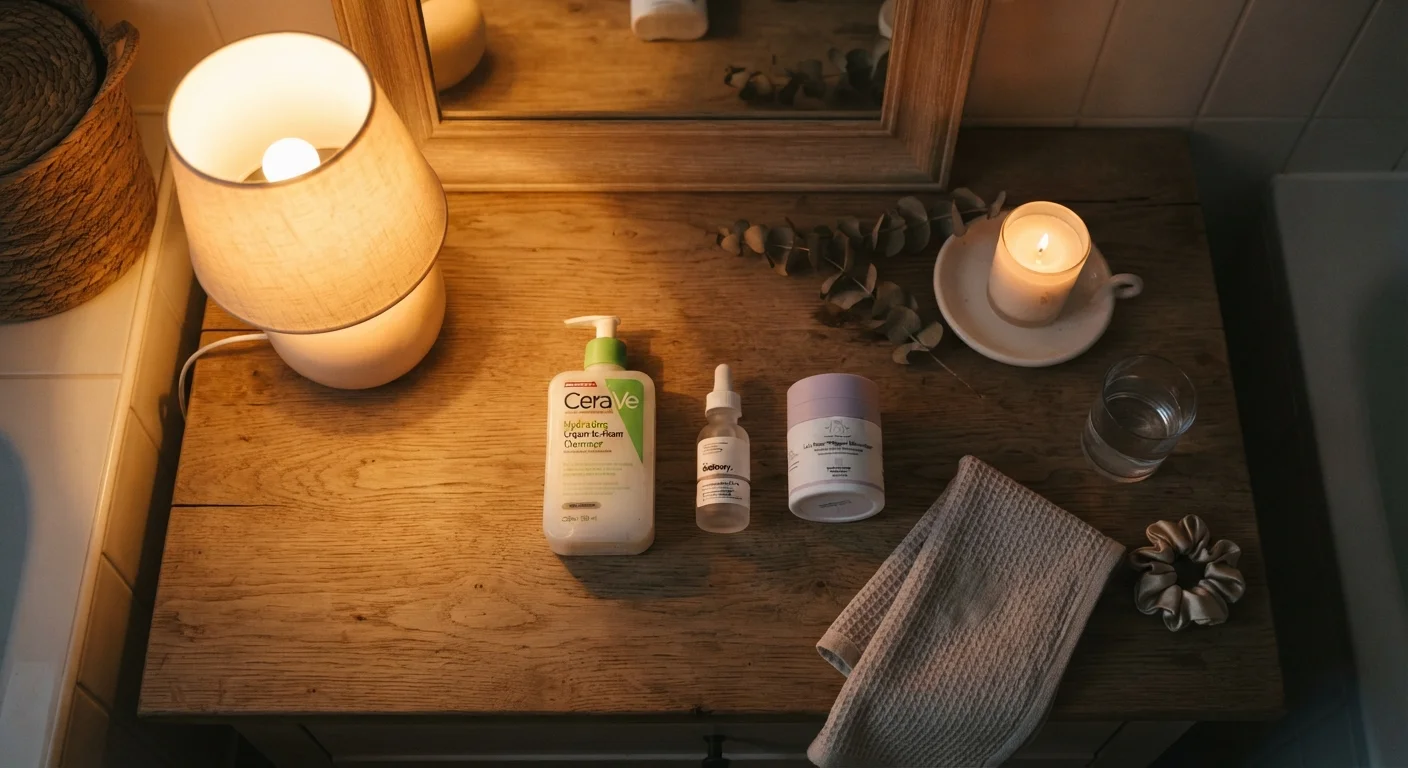
Photo: TargetReads.com | Explore Engaging Reads editorial
Key Takeaways
- Skin naturally repairs itself during sleep, making nighttime an ideal window for targeted skincare.
- A basic evening routine needs only three to four steps: cleanse, treat, and moisturize.
- Heavier, richer formulas belong at night — they can work without UV exposure interfering.
- Consistency matters more than product count; a simple routine done nightly beats an elaborate one done rarely.
- Certain active ingredients — like retinoids — are best used in the evening due to light sensitivity.
Why Nighttime Is Actually Your Skin's Power Hour
Your skin doesn't clock out when you do. During sleep, the body shifts into a repair-focused state — cell turnover naturally increases, blood flow to the skin rises, and inflammatory processes ease. This biological rhythm makes your evening hours a genuinely productive window for skincare, not just a nice-to-have habit.
One key difference from your morning routine: no sunscreen required at night, which opens the door to ingredients that don't play well with UV exposure — most notably retinoids. That shift in what's appropriate also means evening products can be richer and more focused without concerns about pilling under makeup or reacting to daylight. If you're curious how nighttime habits stack up against your morning practice, our morning skincare guide lays out the differences clearly.
Sleep quality also plays into how effectively any routine performs. Research on sleep and physical recovery suggests that restorative sleep supports cellular repair processes broadly — skin included. That's a good reminder that what happens before you apply your moisturizer matters too.
What you will need
What You'll Need
Good news: an effective evening routine doesn't require a cabinet full of products. The essentials are a cleanser, a moisturizer, and — if you wear makeup or SPF — something to pre-cleanse. Everything else is optional and can be added as your routine matures. If you're brand new to all of this, our beginner's skincare guide is a great place to start before adding anything more advanced.
Gentle Facial Cleanser
Removes makeup, sunscreen, and daily impurities without stripping the skin's natural moisture barrier.
Makeup Remover or Micellar Water
Pre-cleanses heavy makeup or SPF before your main wash step, improving overall cleanse effectiveness.
Treatment Serum
Delivers concentrated active ingredients — such as retinoids, niacinamide, or peptides — to target specific skin concerns overnight.
Night Moisturizer or Face Oil
Seals in hydration and supports the skin barrier during overnight repair, often richer in texture than daytime formulas.
Eye Cream
Addresses the delicate under-eye area with targeted hydration or specific ingredients suited to thinner skin.
Your Evening Routine, Step by Step
The following steps form a complete, effective nighttime routine. Follow all five if they apply to you, or stick to just cleanse and moisturize if you prefer to keep things minimal — that's still a solid habit worth building.
Pre-Cleanse to Remove Makeup and SPF
If you wear makeup or sunscreen — and most of us should be wearing SPF daily — start with a pre-cleanse. Use a micellar water on a cotton pad, a cleansing balm, or an oil-based remover to break down those products before your main cleanser. This two-step cleanse approach ensures your facial wash can actually do its job on the skin itself, not just on layers of product sitting on top.
Cleanse Your Face Thoroughly
Use a gentle, water-rinsed cleanser appropriate for your skin type. Apply to damp skin, massage in small circular motions for about 30–60 seconds, and rinse with lukewarm water. Pat — don't rub — dry with a clean towel. This step clears away any remaining impurities and preps skin to absorb what comes next.
Apply Any Treatment Products
This is where targeted ingredients earn their keep. If you use a retinoid, a niacinamide serum, an exfoliating acid, or peptides, apply them now on clean skin. As a general rule, lighter-textured products go on before heavier ones. For guidance on sequencing multiple products, our guide on layering skincare products walks through the core principles clearly.
Not everyone needs a treatment serum — if you're just starting out, skip this step entirely and revisit it once your basic routine feels established.
Moisturize to Lock Everything In
Apply your moisturizer or night cream while skin is still slightly damp from cleansing — this helps seal in moisture more effectively. Nighttime formulas tend to be richer than daytime options since there's no sunscreen or makeup going over them. Gently press the product into your skin rather than dragging it across the surface.
Finish With Eye Cream (Optional)
If you use an eye cream, apply it after your moisturizer using your ring finger — the lightest touch of any finger. Gently tap around the orbital bone rather than dragging the skin. The under-eye area is thinner and more delicate than the rest of the face, so less pressure and lighter application go a long way.
Don't Skip the Cleanse Step
Active Ingredients Require Extra Care
Keep It on Your Nightstand
Making It Stick Long-Term
Consistency is what actually moves the needle with skincare — not the number of products on your shelf. A three-step routine done every night will outperform an elaborate ten-step routine done sporadically. Set a realistic expectation: most skin changes take several weeks to become visible, and that timeline extends further with more targeted ingredients like retinoids.
As seasons change, your routine may need small tweaks — thicker moisturizers in winter, lighter textures in humid summer months. Seasonal skincare adjustments are usually minor but worth knowing about. And if you ever want to audit what's working and what isn't, a practical routine self-check can help you spot gaps without overhauling everything at once.
This article is for general informational purposes only and is not a substitute for professional dermatological or medical advice. If you have a specific skin condition or concern, consult a qualified healthcare provider.
The content on this site is for informational purposes only and is not a substitute for professional advice. Always consult a qualified professional for guidance specific to your situation.