
Brakes: How They Work and the Signals That Say They Need Attention

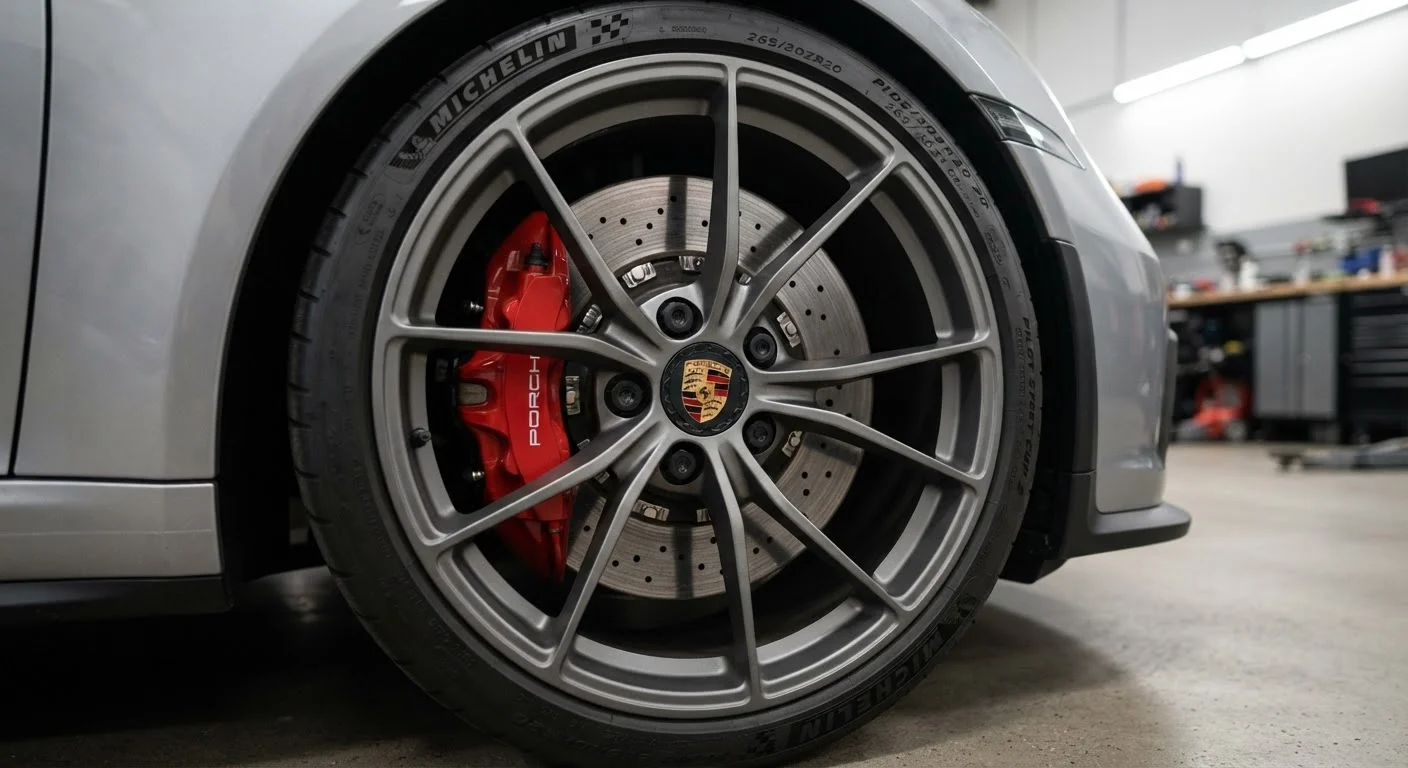
Photo: TargetReads.com | Explore Engaging Reads editorial
Key Takeaways
- Brake pads wear down gradually and produce audible warnings when they need replacement.
- Hydraulic brake fluid transmits pedal force to the wheels — low or contaminated fluid affects stopping power.
- Squealing, grinding, vibration, or a soft pedal are the four most common signs a brake inspection is overdue.
- Brake service intervals vary by vehicle and driving style — your owner's manual is the authoritative source.
- Brake work often involves safety-critical components; a qualified mechanic should inspect and repair the system.
How Your Braking System Actually Works
When you press the brake pedal, you're not mechanically pushing anything at the wheels. Instead, your foot compresses a master cylinder filled with brake fluid, which sends hydraulic pressure through a network of steel lines and flexible hoses to each wheel. That pressure squeezes brake calipers (on disc brake systems) against rotating metal discs called rotors, generating friction that slows the wheel.
On vehicles with rear drum brakes, the hydraulic pressure pushes curved brake shoes outward against the inner surface of a drum that rotates with the wheel — same principle, different geometry. The friction converts kinetic energy into heat, which is why brake components get hot during normal use.
Because the system is hydraulic, even a small fluid leak or air bubble in the lines can meaningfully reduce braking effectiveness. That's why checking brake fluid regularly belongs on every driver's maintenance awareness list.
~30%
Of brake-related crashes linked to worn components
The National Highway Traffic Safety Administration (NHTSA) has consistently cited brake system condition as a factor in a meaningful share of vehicle crashes attributed to mechanical failure.
25,000–65,000 mi
Typical brake pad lifespan range
The Insurance Institute for Highway Safety and automotive industry sources note that pad life varies significantly based on driving patterns, vehicle weight, and pad material type.
Normal Wear Versus Warning Signs
Brake pads are designed to wear down — that's expected. The question is recognizing when they've worn enough to need replacement versus when something more urgent is happening.
- Squealing when braking: Usually the wear indicator tab contacting the rotor. This is the system's built-in alert; schedule service soon.
- Grinding noise: The pad material has worn through and metal components are contacting each other. This can damage rotors quickly and needs prompt attention.
- Vibration through the pedal or steering wheel: Often caused by warped rotors, which develop uneven surfaces from repeated hard braking or rapid cooling.
- Soft or spongy pedal: Suggests air in the hydraulic lines or low fluid — both reduce the pressure that reaches your brakes.
- Pulling to one side: May indicate an uneven caliper, worn pads on one side, or a deteriorated brake hose restricting flow.
The brake warning light on your dashboard adds another layer of information. For a full picture of what dashboard indicators mean and when they demand immediate action, see what your dashboard warning lights are actually telling you.
Test Your Brakes in a Safe Setting
Maintenance Intervals and Keeping Track
There's no universal mileage number for brake service because wear depends on driving style, load, terrain, and vehicle type. City driving — with its frequent stops — wears pads faster than highway commuting. Towing or hauling heavy loads puts extra demand on the entire braking system.
Your owner's manual lists the manufacturer's recommended brake inspection intervals and is the most reliable starting point. Most shops inspect brake pad thickness as part of routine tire rotations, which is a convenient way to get regular eyes on the system without a separate visit.
Brake fluid service is often overlooked. Fluid absorbs moisture over time, lowering its boiling point. Under sustained heavy braking — descending a long grade, for instance — degraded fluid can boil, causing a sudden and dramatic loss of pedal. A fluid flush is relatively inexpensive and part of a sound long-term maintenance approach. Making brakes part of your broader vehicle upkeep is covered in depth in our guide to keeping your car in good shape over the long haul.
Brake Fluid Is Hygroscopic
When to See a Mechanic — and What to Expect
Brake inspections are generally straightforward and many shops offer them at no charge. A mechanic will measure pad thickness, inspect rotor surfaces for scoring or warping, check caliper operation, and look for fluid leaks. If work is recommended, ask for a written estimate before approving anything.
Brake components are typically replaced per axle — both front or both rear — to maintain balanced stopping. Mixing significantly different wear levels side-to-side can cause pulling. Rotors may be resurfaced (machined flat) or replaced depending on their remaining thickness; a mechanic will measure this against the manufacturer's minimum specification.
If an estimate feels unclear, our guide to understanding your mechanic's estimate walks through how to read the line items and which questions are worth asking before you sign off.
This article provides general vehicle information for educational purposes only and is not a substitute for inspection or advice from a qualified automotive professional. Brake systems are safety-critical; if you notice any of the warning signs described here, have your vehicle inspected before continuing regular use.
Frequently Asked Questions
The content on this site is for informational purposes only and is not a substitute for professional advice. Always consult a qualified professional for guidance specific to your situation.