
Car Fluid Basics: What Each One Does and How to Check Them

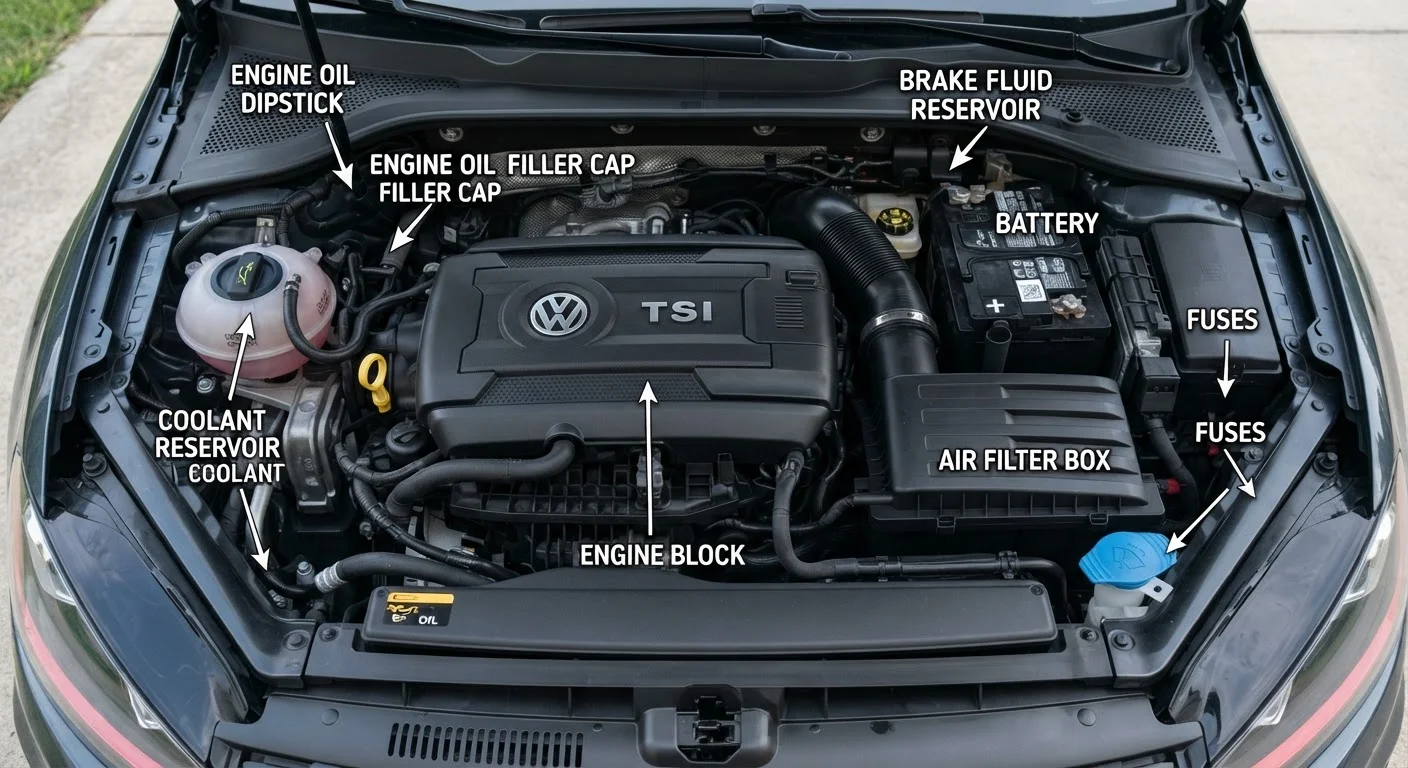
Photo: TargetReads.com | Explore Engaging Reads editorial
Key Takeaways
- Your car relies on six key fluids — each one performs a distinct job that keeps the vehicle safe and operational.
- Most fluid checks require nothing more than a clean rag, good lighting, and a few minutes with the engine off.
- Low or degraded fluid is often an early warning sign — catching it early can prevent expensive repairs.
- Always consult your owner's manual for fluid specifications and change intervals specific to your vehicle.
- Some fluid changes are DIY-friendly; others, like brake fluid, are best left to a qualified mechanic.
Why Car Fluids Matter
Your car is essentially a network of moving parts, heat-generating systems, and hydraulic mechanisms — and fluids are what keep all of it working together. Without them, components overheat, seize up, corrode, or lose the pressure they need to function. Most drivers only think about fluids when something goes wrong, but regular checks are one of the most straightforward forms of preventive maintenance available.
Understanding what each fluid does gives you a clearer picture of your vehicle's overall health. It also helps you respond intelligently when a warning light appears — rather than guessing. See our guide to dashboard warning lights to understand how fluid problems often surface on your instrument panel first.
The Six Essential Fluids
Most passenger vehicles rely on these six fluids to operate safely:
Hydraulic fluid
A liquid used to transfer force through a system — in cars, brake fluid is the primary example, transmitting pedal pressure to the brakes at each wheel.
Dipstick
A long metal rod inserted into the engine or transmission that lets you measure the fluid level and check its condition by pulling it out and reading the markings.
Coolant (antifreeze)
A fluid — typically a mix of water and ethylene glycol — that circulates through your engine to prevent it from overheating or freezing in cold temperatures.
Transmission fluid
A specialized lubricant that keeps the gears, clutches, and internal parts of your transmission working smoothly and protected from heat and wear.
Fluid flush
A maintenance procedure in which old fluid is completely drained from a system and replaced with fresh fluid — more thorough than simply topping it off.
- Engine oil lubricates the engine's internal moving parts, reducing friction and carrying heat away from components that would otherwise wear rapidly. It also suspends contaminants until they are captured by the oil filter.
- Coolant (antifreeze) regulates engine temperature by circulating through the engine block and radiator. It prevents overheating in summer and protects against freezing in winter.
- Transmission fluid lubricates the gears and internal components of your transmission, enabling smooth gear shifts. Automatic and manual transmissions typically require different fluid types.
- Brake fluid is a hydraulic fluid that transfers the force from your brake pedal to the brake calipers at each wheel. Without sufficient pressure in the system, stopping distances increase significantly. Learn more in our overview of how brakes work.
- Power steering fluid (on vehicles without electric power steering) pressurizes the steering system so you can turn the wheel with reasonable effort. Low fluid makes steering feel heavy or unresponsive.
- Windshield washer fluid is the simplest of the group — it keeps your windshield clean and your visibility clear. Unlike the others, it does not affect mechanical function, but running out at the wrong moment is a real safety concern.
How to Check Your Fluids at Home
Checking most fluids takes under ten minutes. Park on a flat surface, turn the engine off, and wait a few minutes for hot components to cool before opening the hood.
Keep a Clean Rag in Your Glove Box
- Engine oil
- Pull out the dipstick (usually marked with a bright handle), wipe it clean, reinsert it fully, then pull it out again. The oil level should fall between the two marks on the dipstick. Note the color while you're at it.
- Coolant
- Check the translucent overflow reservoir next to the radiator — never open the radiator cap when the engine is hot. The level should sit between the MIN and MAX lines.
- Transmission fluid
- Many vehicles have a transmission dipstick similar to the oil dipstick. Some modern vehicles have a sealed system with no dipstick — consult your owner's manual for guidance.
- Brake fluid
- Locate the small reservoir near the firewall (the wall between engine and cabin). The level is visible through the translucent casing without opening the cap. It should be between MIN and MAX.
- Power steering fluid
- Find the reservoir (often with a steering wheel icon on the cap), check the level on the side markings or dipstick built into the cap.
- Washer fluid
- Locate the reservoir marked with a windshield icon and fill as needed — this one is safe to top off at any time.
Your owner's manual specifies the correct fluid type and capacity for each system — always verify before adding anything.
Warning Signs You Shouldn't Ignore
Beyond scheduled checks, your car will often hint that something is wrong. Watch for these signals:
- Puddles under the car: A clear or slightly oily spot might be condensation (normal from the AC), but colored puddles — green, brown, red, or clear-but-slippery — suggest a fluid leak that warrants inspection.
- Burning smell: Oil or coolant dripping onto hot engine parts produces a distinct burning odor. Don't ignore it.
- Spongy brake pedal: If your brake pedal sinks further than usual before the brakes engage, low or aerated brake fluid may be the cause — stop driving and get it inspected immediately.
- Overheating gauge: The temperature gauge climbing toward the red zone is a serious signal to pull over safely and let the engine cool before investigating coolant levels.
Never Open a Hot Radiator Cap
Fluid checks are also a key part of preparing for longer drives. Our road trip preparation checklist covers all the pre-departure steps worth doing.
When to Consult a Mechanic
Topping off washer fluid or engine oil between changes is within reach for most drivers. But there are situations where professional help is the right call:
- Any fluid level that drops suddenly or repeatedly — this often signals a leak, not just consumption.
- Brake fluid changes, which require bleeding the system to remove air bubbles — a task that needs proper tools and technique.
- Coolant flushes, which involve draining and disposing of old fluid safely.
- Transmission fluid changes on sealed or complex systems.
- Any situation where you notice unusual color, odor, or texture in a fluid and aren't sure what it means.
A qualified mechanic can also catch related issues — worn hoses, failing seals, or a cracked reservoir — that a visual check alone might miss. Consistent fluid maintenance is one of the habits that separates vehicles that reach high mileage from those that don't. See what long-term car care actually looks like for a broader picture.
This article is for general informational purposes only. Always consult your vehicle's owner's manual and a qualified mechanic for maintenance decisions specific to your car.
Frequently Asked Questions
The content on this site is for informational purposes only and is not a substitute for professional advice. Always consult a qualified professional for guidance specific to your situation.